

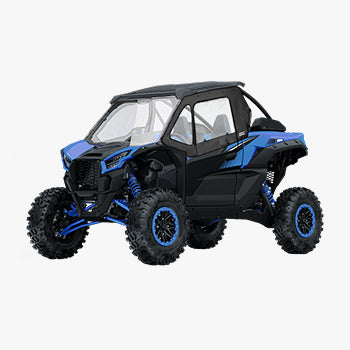







How Much Does a Side-by-Side Weigh

If you own or are thinking about buying a side-by-side, one of the first practical questions that comes up is simple: how much does it actually weigh? Whether you're planning weekend trail rides, hauling gear for hunting trips, working around the farm, or heading out for overlanding adventures, knowing your UTV's weight affects towing capacity, fuel efficiency, trail restrictions, and even how easily you can transport it on a trailer.
Most off-road riders highlight growing interest in lighter, more capable machines as manufacturers balance power with manageable weight for better handling and efficiency. At the same time, riders continue adding accessories to improve comfort and functionality, which can increase overall weight.
In this guide, we'll break down typical side-by-side weights, compare different models and classes, explain what influences the numbers, and share why weight matters for everyday use. You'll also learn how smart accessory choices from Kemimoto can enhance your driving experience without unnecessary complications.
Side-by-Side Weigh Trends in 2026
Modern off-road vehicles have evolved significantly, becoming more capable but also heavier than their predecessors. It is vital to understand the current weight standards to ensure your equipment and trailers are up to the task.
The industry has seen a shift toward "adventure-ready" builds. This means that when you perform a side-by-side weigh, you are likely to find that modern machines are 10% heavier than models from a decade ago. This increase is due to reinforced ROPS (Roll-Over Protective Structures), larger fuel tanks, and more sophisticated suspension systems designed to handle rugged terrain. If you are looking to upgrade, comparing the UTV weight of different brands is essential for finding a balance between power and portability.
Why Does Your Side-by-Side Comparison Matter for Performance?
Choosing the right vehicle requires more than just looking at horsepower; you must also consider how the weight interacts with the terrain you frequent. A comprehensive side-by-side comparison will reveal how weight distribution affects handling and fuel efficiency.
Heavy vehicles often provide a smoother ride and better traction for towing, which is a priority for farm owners and workers. Conversely, a lighter UTV weight is often preferred by trail riders who need agility to navigate tight turns and steep climbs. When you conduct a side-by-side comparison, you can see that sport models sacrifice some payload capacity to remain light and flickable, whereas utility models embrace a higher side-by-side weight to ensure they can handle heavy-duty tasks without losing stability.
Average UTV Weight by Class and Category
Weight varies significantly across different categories of vehicles, from small youth models to massive six-seater utility machines. Knowing these averages helps you prepare your garage and your trailer for the specific demands of your vehicle.
The following table provides a quick reference for typical weights across the most popular UTV segments. These figures represent the average curb weight, which includes fluids and a standard tank of fuel.
|
Category |
Average Weight Range (lbs) |
Popular Examples |
|
Youth Models |
400 – 900 lbs |
Polaris Ranger 150 |
|
Sport UTVs |
1,200 – 1,800 lbs |
Polaris RZR, Can-Am Maverick |
|
Utility UTVs |
1,500 – 2,200 lbs |
Polaris Ranger, Kawasaki Mule |
|
Multiseat (4-6) |
2,000 – 3,200 lbs |
Can-Am Defender MAX, Honda Pioneer 1000-6 |
Youth and Entry-Level UTV Weight Factors
Entry-level machines are designed to be manageable and safe for younger or newer riders, which is reflected in their significantly lower mass. A lower side-by-side weight in this category ensures that the vehicle is easy to recover if it gets stuck.
Youth models usually feature smaller engines and less complex frames, which keeps the UTV weight under 1,000 pounds. This makes them ideal for transport in the bed of a full-sized pickup truck, eliminating the need for a dedicated trailer. When making a side-by-side comparison in the youth segment, look for models that offer adjustable speed limiters alongside their light frames to ensure the safest possible learning environment for new enthusiasts.
Sport and Performance Side-by-Side Weigh Metrics
Performance-oriented machines are built for speed and desert racing, where every pound of UTV weight counts against the power-to-weight ratio. These vehicles use lightweight materials like high-strength steel and aluminum to keep the side-by-side weight within a competitive range.
A typical sport side-by-side comparison shows that these machines usually fall between 1,200 and 1,800 pounds. While they are heavier than youth models, they carry much larger engines, often exceeding 900cc. To maintain performance, owners often choose accessories that do not add excessive weight. For example, a PC UTV Windshield from Kemimoto provides necessary protection from wind and debris without significantly impacting the agility that sport riders crave.
Heavy-Duty Utility Side-by-Side Comparison
Utility vehicles are the workhorses of the off-road world, designed for hauling trailers, carrying cargo, and supporting farm operations. Because they need to be sturdy, their side-by-side weight is much higher than that of sport or youth models.
In a utility-focused side-by-side comparison, you will notice that these machines often start at 1,500 pounds and can quickly exceed 2,500 pounds when fully equipped. The extra UTV weight comes from heavy-duty transmissions, winches, and larger cargo beds. For those who spend long days working on the farm, adding comfort features like UTV Door Panels is a popular choice. While these add a few pounds to the total side-by-side weigh, the protection from mud and cold air is well worth the trade-off for professional users.

Dry Weight vs Curb Weight: What You Need to Know
When reading a manufacturer's spec sheet, you will likely encounter two different numbers: dry weight and curb weight. Understanding the difference is crucial for accurately calculating your total UTV weight for towing.
-
Dry Weight: This is the weight of the vehicle as it rolls off the assembly line without any fluids, fuel, or batteries. It is almost always the lower number shown in a side-by-side comparison.
-
Curb Weight (Wet Weight): This includes all necessary fluids for operation, such as engine oil, coolant, and a full tank of gas. This is the more "real-world" side-by-side weight that you should use when planning your transportation needs.
Factors That Affect UTV Weight
Several elements determine how much your side-by-side weighs. Understanding these helps explain the differences you see across brands and trims.
☞ Engine size and type play a major role. Larger displacement engines or turbocharged setups usually require stronger frames and components, adding weight. Four-wheel drive systems, differential locks, and advanced suspension also contribute.
☞ Materials matter too. Steel frames offer durability but weigh more than aluminum alternatives used in some performance models. Added features like roofs, doors, larger tires, and seating for extra passengers increase the total.
☞ Accessories and modifications have a noticeable impact. Installing a full windshield, heavy-duty bumpers, or cargo racks adds pounds that can affect handling and towing limits. Even audio systems or lighting kits contribute small amounts that add up over time.

☞ Terrain and intended use often guide these choices. Hunters and farmers may prefer heavier, more stable setups for carrying gear, while trail riders might lean toward lighter configurations for better maneuverability.
Final Thoughts
Understanding the weight of your side-by-side is a fundamental part of responsible ownership. From ensuring your trailer is safe to choosing the right performance upgrades, the mass of your machine influences every aspect of your off-road life.
As we have seen through our side-by-side comparison, weights vary drastically between categories. Whether you prefer the lightweight agility of a sport model or the heavy-duty reliability of a utility machine, always keep the curb weight in mind. By paying attention to your side-by-side weight and choosing high-quality accessories from brands like Kemimoto, you can ensure that your vehicle remains safe, efficient, and ready for any adventure the trail throws your way. Proper weight management leads to better suspension longevity and a more enjoyable ride for you and your passengers.


Laissez un commentaire