




























Best Heated Motorcycle Gear for a Complete Winter Riding Setup

Riding in cold weather usually means choosing between two bad options. Either you wear thick layers that keep you warm but make it hard to move your arms and grip the handlebars properly, or you wear less and spend the whole ride shivering. Neither one makes for a good experience on the road.
This is the problem that best heated motorcycle gear was designed to solve. Instead of relying on bulky insulation, heated jackets, pants, and gloves use small battery powered heating elements to warm you directly, so you can stay flexible and still stay warm. This guide breaks down what to look for, how to build a full system, and how to keep your gear working well through the winter.
Here is what this article covers:
-
What actually makes battery-powered heated motorcycle gear worth the investment
-
How to build a complete system of heated clothing for motorcycle riding
-
How to choose the best heated riding gear based on how and where you ride
-
Tips for layering, battery care, and maintenance so your gear lasts
What Makes Battery-Powered Heated Motorcycle Gear Worth Buying
Not all heated gear is built the same way, so it helps to know what separates a good product from an average one before you spend your money. A few specific details make the biggest difference in comfort and reliability.
The first thing to check is how the gear is powered. Some pieces run on rechargeable battery packs you charge separately, like a phone, while others plug directly into your motorcycle's 12V power system. Battery-powered gear gives you more freedom since it works even when the bike is off, which matters if you take breaks during a ride or want to stay warm while parked.
Beyond power source, a few other factors matter just as much:
-
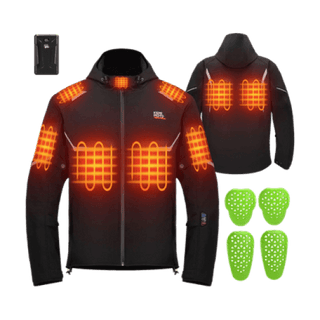
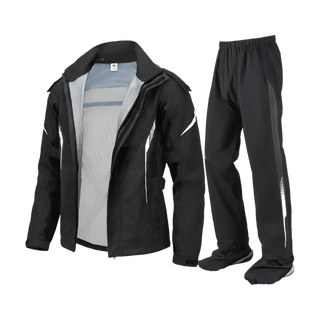
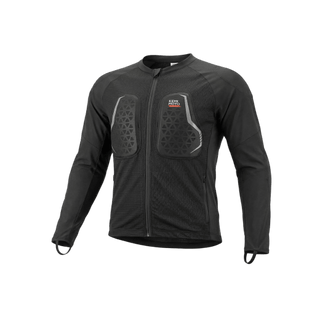
Number of heating zones. More zones spread across the body usually means more even warmth. The KEMIMOTO Heated Jacket with Battery for Motorcycle Outdoor Riding uses 9 heating zones for full body coverage, reaching temperatures up to 65°C.
-
Adjustable heat settings. Being able to switch between high, medium, and low lets you match the gear to changing weather instead of being stuck at one temperature.
-
Waterproof and windproof construction. Riding gear needs to handle rain and wind, not just cold air, so a weatherproof shell is essential.
-
Durability of materials. Gear that holds up to regular washing and daily wear will save you money over time compared to cheaper options that wear out quickly.
Battery capacity also plays a direct role in how long your gear stays warm, which we cover in more detail later in this guide.
Building a Complete System of Heated Clothing for Motorcycle Riding
A single heated jacket is a good start, but a complete system covers more of your body and keeps you comfortable in colder conditions. Different pieces of heated clothing for motorcycle riding are designed to handle different parts of the body, and understanding their roles helps you decide what to add to your setup.
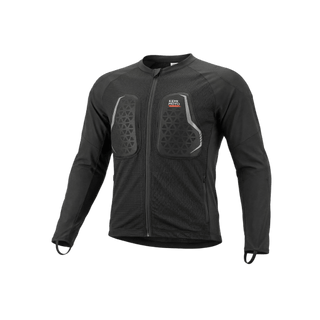
Your torso holds most of your body's core heat, so a heated jacket is usually the foundation of any setup. The KEMIMOTO Heated Jacket covers this role well, with 9 heating zones and a forearm-mounted power switch that lets you adjust warmth without stopping or removing your gloves.
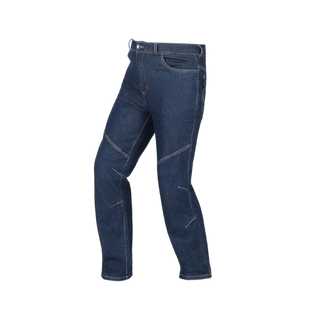
Your legs lose heat quickly too, especially on longer rides where wind exposure builds up over time. This is where heated pants come in. The KEMIMOTO Men's Heated Motorcycle Pants with Battery and Armor heat up in just 10 seconds and offer three duration settings, so you get fast warmth without waiting around before you ride.
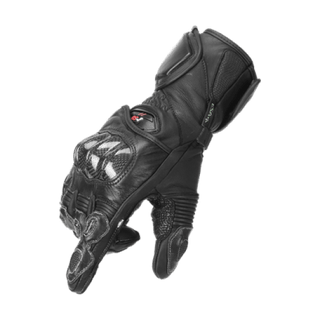
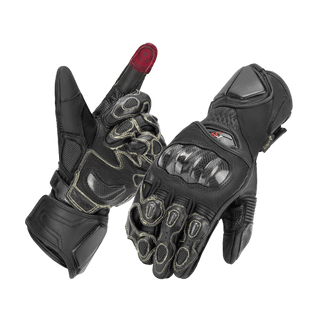
Your hands are often the first part of your body to feel cold, since they are directly exposed to wind at speed. The KEMIMOTO Heated Motorcycle Gloves for Men & Women address this with full hand coverage and three heat levels ranging from 104 to 149°F, giving you control over exactly how much warmth you need.
Together, a jacket, pants, and gloves form a complete system that covers your core, legs, and extremities, which is the combination most riders need for serious cold weather protection.

Choosing the Best Heated Riding Gear for Your Ride Type
Not every rider needs the same setup, since how you ride affects what kind of gear actually makes sense. The best heated riding gear for a daily commuter looks different from what a long-distance tourer or an off-road rider might need.
If you mostly commute short distances in the city, you likely do not need maximum battery life, since your rides are shorter and you can recharge gear between uses. A jacket and gloves may be enough here, since your legs are less exposed during short trips compared to your hands and torso.
If you are riding long distances, battery life becomes much more important. The KEMIMOTO Heated Jacket, rated for up to 12 hours of warmth, is a better match for multi-hour rides where recharging is not an option until you stop for the night. Pairing it with heated pants also helps maintain warmth over longer stretches when your legs would otherwise get cold from constant wind exposure.
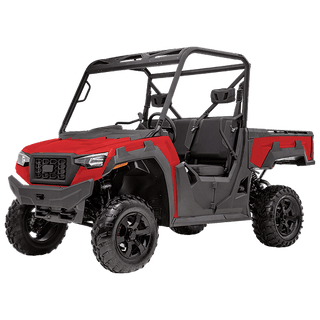
If you ride off-road or take a UTV through cold, exposed terrain, durability and weatherproofing matter more than they do for street riding. Waterproof shells and reinforced protection, like the CE Level 1 protectors built into the heated jacket, become especially useful when conditions are rougher and less predictable.
The table below gives a quick summary of how these three riding types typically match up with gear priorities.
|
Ride Type |
Priority |
Suggested Gear |
|
Daily commuting |
Quick warmth, easy charging |
Jacket and gloves |
|
Long distance touring |
Extended battery life |
Jacket, pants, and gloves |
|
Off road or UTV riding |
Durability and weatherproofing |
Full system with reinforced protection |
How to Layer and Combine Heated Motorcycle Gear for Maximum Warmth
Wearing heated gear does not mean skipping normal layering altogether. The goal is to combine pieces in a way that maximizes warmth without making it harder to move or overheating you once the gear kicks in.
Start with a thin base layer under your heated jacket rather than a thick sweater. Since the jacket itself provides active heat, a bulky layer underneath just traps warmth unevenly and makes the jacket feel tighter than it should. The same idea applies to heated pants, where a light base layer works better than heavy thermal underwear.
When combining a jacket, pants, and gloves, it helps to think of them as an interconnected system rather than separate accessories. Each piece typically runs on its own battery, so you are not limited by needing everything to plug into a single power source. This also means you can choose to wear just the jacket on a milder day, or add the pants and gloves when temperatures drop further, without needing to rewire anything.
One common mistake is over-layering to the point where the heated elements cannot actually reach your skin effectively. Heating panels work best when they sit close to your body, so keeping your base layers thin and letting the heated garment do the work usually gives better results than piling on extra clothing underneath.

Battery Life and Charging Tips for Heated Motorcycle Gear
Understanding battery life helps you avoid getting caught cold halfway through a ride. Heat settings and runtime are directly connected, so knowing how to manage them makes a real difference in practice.
Higher heat settings drain batteries faster than lower ones. On the heated motorcycle pants, for example, the high setting lasts about 3 hours, medium lasts about 4 hours, and low stretches to around 6 hours. This kind of tradeoff is common across most heated gear, so starting on a lower setting and increasing it only when needed is usually the smarter approach for longer rides.
If you are using gear that relies on a 12V connection to your motorcycle instead of a standalone battery, keep in mind that this type only works while the bike is running, unlike battery-powered heated motorcycle gear, which stays warm even when you are off the bike or taking a break. Each option has its place depending on how you ride.
A few practical charging habits go a long way:
-
Charge all battery packs fully before heading out, rather than assuming there is enough charge left from your last ride.
-
Carry a spare battery pack or portable charger for full-day rides where a single charge may not be enough.
-
Turn off heating elements during rest stops if you do not need warmth immediately, to conserve battery for when you are back on the road.
Safety and Maintenance Tips for Heated Riding Gear
Heated gear involves a bit more care than standard riding clothing, mainly because of the batteries and heating elements built into the fabric. A few simple habits will keep your gear safe and working properly for years.
Always remove the battery pack before washing any piece of heated clothing. Most heated jackets, pants, and gloves are designed with this in mind, but skipping this step can damage both the fabric and the electronics inside. After washing, let everything air dry completely before storing it or using it again, since trapped moisture can affect the heating elements over time.
Store your battery packs in a cool, dry place when not in use, rather than leaving them inside the jacket or pants between rides. This helps protect battery health and reduces the risk of damage from extreme temperatures. It is also worth periodically checking your gear for any visible wear around the heating panels, especially near high-movement areas like the elbows, knees, and knuckles, since this is where wear tends to show up first.
Most modern heated gear also includes basic overheat protection, which automatically reduces or shuts off heat if the temperature gets too high. This is a helpful safety feature, but it should not replace common sense. Avoid running heated gear at the highest setting for extended periods if you do not need that much warmth, since this puts more strain on the battery and heating elements over time.
Final Thoughts
Choosing the best heated motorcycle gear comes down to understanding what you actually need for how you ride. A jacket alone may be enough for short commutes, while long-distance riders and off-road enthusiasts benefit from a complete system that includes pants and gloves. Paying attention to battery life, heating zones, and proper care will help your gear perform reliably through the whole winter season.
To explore the full lineup, visit KEMIMOTO's heated gear collection or browse everything at kemimoto.com.
FAQs of Heated Motorcycle Gear
Can I use heated motorcycle gear in the rain or snow?
Yes, as long as the gear is built with waterproof or water-resistant materials. The heated jacket and heated motorcycle pants both use weatherproof shells designed to handle wet riding conditions.
Should I choose USB battery-powered gear or 12V gear that connects to my motorcycle?
It depends on how you ride. Battery-powered gear offers more freedom since it works even when your bike is off, while 12V gear is a good option if you want continuous power without managing separate batteries, as long as you are comfortable being tied to the bike's power system.
How long does heated motorcycle gear stay warm?
This depends on the heat setting used. For example, the heated motorcycle pants last around 3 hours on high, 4 hours on medium, and 6 hours on low, while the heated jacket offers up to 12 hours of warmth depending on settings.
Can I bring heated gear batteries on a flight?
Most airlines require heated gear batteries to be carried in your carry-on bag rather than checked luggage, since lithium batteries are treated as restricted items in checked baggage. It is best to check with your specific airline before traveling with any battery-powered gear.
Do I need a full set of heated gear, or is a jacket enough?
A jacket alone can provide solid core warmth for shorter rides, but adding heated pants and gloves gives more complete protection for longer rides or colder conditions, especially for your hands and legs, which tend to get cold fastest.


Laissez un commentaire