


























Honda CBR500R vs Kawasaki Ninja 400

When it comes to choosing your first motorcycle, two names almost always rise to the top: the Honda CBR500R and the Kawasaki Ninja 400. These bikes consistently show up in conversations about the best motorcycle for beginners, offering a balanced mix of performance, handling, comfort, and sportbike styling without overwhelming new riders. In this detailed motorcycle comparison, we’ll explore how these bikes stack up across every key category — from engine specs to ergonomics, everyday usability, and even accessories you might want to add to your ride.
Whether you’re just getting your license or upgrading from a smaller bike, this guide will help you make the right decision.
Overview of Two Motorcycles
Both the Honda CBR500R and the Kawasaki Ninja 400 are sport-oriented motorcycles targeted toward entry-level riders. They’re popular because they strike a nice balance between power and control — enough performance to stay fun, but not so much that they’ll intimidate a novice rider.
-
The Honda CBR500R runs a 471cc parallel-twin engine. It’s known for smooth power delivery and all-around versatility.
-
The Kawasaki Ninja 400 is slightly smaller in engine size but lighter in weight, with sporty handling and sharp performance that appeals to dynamic riders.
In this motorcycle comparison, we’ll break down every major aspect so you can discover which bike fits your needs best.
Engine & Performance: Riders Care About The Most
Engine performance is one of the most important factors in any motorcycle comparison, especially when deciding between bikes meant for beginner riders.
CBR500R Engine
The Honda CBR500R is powered by a 471cc liquid-cooled parallel-twin engine, producing around 47 horsepower and about 32 lb-ft of torque. Its larger displacement gives it a smoother, more relaxed power delivery — ideal for everyday riding and highway commuting.

Pictured by Honda CBR500R
Ninja 400 Engine
The Kawasaki Ninja 400 uses a 399cc parallel-twin that produces roughly 45–48 horsepower and around 38 Nm of torque depending on model and tuning. Its engine is more eager to rev, which contributes to a peppy feel off the line.
Performance Summary
|
Feature |
Honda CBR500R |
Kawasaki Ninja 400 |
|
Engine |
471cc parallel-twin |
399cc parallel-twin |
|
Horsepower |
47 hp |
45–48 hp |
|
Torque |
32 lb-ft |
28 lb-ft |
|
Power Delivery |
Smooth, mid-range focused |
High-revving, peppy |
|
Performance Feel |
Relaxed & controlled |
Sporty & agile |
The Ninja 400’s lighter overall weight helps it feel quicker in everyday scenarios, even if the power figures are close. Its higher rev range lends a sportier feel that many riders enjoy — but the CBR500R’s bigger engine torque makes it comfortable and relaxed, especially at cruising speeds.
Verdict:
☆ If you want a motorcycle that feels playful and agile — perfect for twisty backroads — the Ninja 400 shines.
☆ If you want relaxed, broad-range power that’s easy to manage on highways and in city traffic, the CBR500R has the edge.
Handling & Riding Experience
No matter how powerful a motorcycle is, how it feels in the corners, and when you ride it matter just as much — especially for a first bike.
Honda CBR500R Handling
The CBR500R uses traditional telescopic forks and a frame designed more for balanced handling than hardcore sport riding. Its slightly heavier weight promotes stability at speed, and the more upright ergonomics provide comfort over longer journeys.
Kawasaki Ninja 400 Handling
The Ninja 400 benefits from a lighter frame and more aggressive geometry. Its nimble handling and lower weight make it easy to flick into corners and maneuver in tight traffic. Many beginner riders also find the Ninja’s sportier posture adds confidence when pushing the bike a bit.

Pictured by Kawasaki Ninja 400
Riding Comfort & Ergonomics
|
Aspect |
CBR500R |
Ninja 400 |
|
Riding Position |
More upright and comfortable |
Sportier, slightly aggressive |
|
Seat Comfort |
Broader, more cushioned |
Narrower, firmer |
|
Long-Distance Comfort |
Better suited for touring |
Better for twisties and short rides |
|
Weight |
~421 lbs (~191 kg) |
~366 lbs (~166 kg) |
Because of its lighter weight and sportier stance, the Ninja often feels more fun on curvy turns, while the CBR500R’s setup provides confidence and comfort for longer touring or commuting duties.
Verdict:
☆ For beginner riders who want a sportier feel and nimble handling, the Ninja 400 is tough to beat.
☆ For those who prioritize comfortable ergonomics and stable all-day riding, the CBR500R is a solid choice.
Everyday Usability
A bike’s practicality can make or break it for beginners who are thinking beyond just weekend rides.
Fuel Efficiency & Range
Fuel economy is a big deal for riders who plan to use their bike for daily commuting.
▶ CBR500R typically averages around 60+ mpg, with a larger fuel capacity (4.5 gallons).
▶ Ninja 400 gets excellent efficiency too (50+ mpg), though its smaller tank (3.7 gallons) means slightly shorter range overall.
Highway Riding
The CBR500R benefits from its larger engine and torque, making highway speeds feel less strained — an important comfort factor for taller or heavier riders.
City Commuting
The Ninja 400’s light weight and fluent throttle make it a joy in city traffic, while the CBR’s smooth acceleration helps keep pace comfortably too.
|
Aspect |
CBR500R |
Ninja 400 |
|
Fuel Consumption |
60+ mpg |
4.5 gallons |
|
Fuel Capacity |
50+ mpg |
3.7 gallons |
Verdict:
☆ Commute & Long Distance: CBR500R edges ahead.
☆ Urban Fun & Traffic: Ninja 400 is a lively, confidence-building ride.
Price & Value
While prices vary by year and dealer incentives, the Ninja 400 generally has a lower MSRP, which can be a compelling factor for budget-conscious riders:
☆ Ninja 400: Generally more affordable, starting around the low-$5,000s.
☆ CBR500R: A bit pricier, often starting nearer the mid-$6,000s to $7,000.
Considering value, the Ninja 400 offers excellent performance and handling for the buck, while the Honda gives more displacement and stable usability — appealing traits for riders planning to keep their bike long-term.
Technology & Safety Features
When choosing a beginner motorcycle, electronics and rider aids matter — especially if you intend to ride in varied conditions.
-
Both bikes typically come with ABS, an important safety feature for new riders.
-
Kawasaki often offers advanced displays with gear indicators and sometimes traction control on newer trims, which can aid confidence on slippery or challenging surfaces.
-
Honda’s simpler dashboard prioritizes clarity, while its smooth power delivery compensates for the lack of electronic rider aids.
Must-Have Recommendations for Your Riding
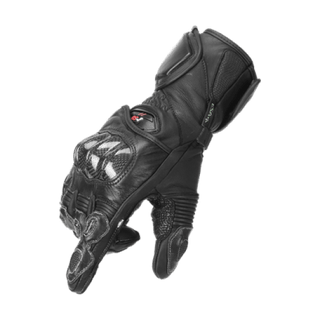
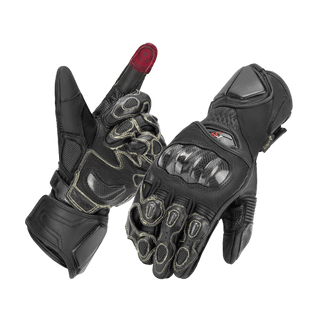
Kemimoto Racing Leather Touchscreen Riding Gloves
A good pair of gloves is one of the most underrated pieces of motorcycle gear — yet it’s one of the most important. These gloves are designed with high-performance materials like Kevlar stitching and carbon fiber protection, giving you excellent abrasion resistance and impact cushioning when you’re out on the road. The anti-slip palm design enhances grip on your handlebars, so you stay in control whether you’re commuting, cruising, or carving corners. They’re also touchscreen-compatible, meaning you can operate your phone or GPS without taking them off — perfect for rides where navigation matters.
Best for: Protection, comfort, weather versatility, improved grip, and touchscreen use
Who it’s ideal for: All riders — especially beginners who want confidence and safety on every ride

Kemimoto 8.5L Expandable Tank Bag
One of the biggest challenges on longer rides or daily commuting is where to put your stuff. This expandable tank bag solves that problem by offering 8.5 L of storage — with multiple zippered pockets, dual side compartments, and an organizer mesh panel for essentials like your phone, wallet, water bottle, rain gear, or tools. Made from premium waxed canvas and leather with water-resistant features and a touchscreen window, it keeps your gear organized and protected even if the weather turns.
Best for: Storing essentials on daily rides or longer road trips
Who it’s ideal for: Riders who want convenient, organized storage without bulky luggage

Conclusion
Choosing between the Honda CBR500R and the Kawasaki Ninja 400 is less about picking a “right or wrong” bike and more about picking the one that fits your style. For a new rider navigating their first sportbike, both options represent outstanding choices in the beginner motorcycle category. This comprehensive comparison should give you confidence to choose the bike that matches your goals, riding style, and budget.
Ready to hit the road? Whatever your choice, ride safe — and make sure you gear up and accessorize properly for the best experience possible! Use the discount code "KMSEO" to enjoy an extra 16% off.


Leave a comment