





































































































How to Reduce Heat in Your X3 Cab

Can-Am Maverick X3 is unleashing immense power and excitement among the side-by-side enthusiasts, being one of the top models on the market. Its cutting-edge suspension, aggressive stance, and turbocharged engine allow it to dominate the dunes, desert trails, and mountain paths. Yet, for all its powerful performance, one thing that most owners of the X3 will agree on is that the cabin gets uncomfortably hot to a point where it is almost unbearable.
After a few hours of summer riding, your experience will align with ours. The center console becomes so hot to the touch as if it were a stovetop; the footwells will serve as your convection ovens, and the back of your seat is very warm, just like the rear of your seat is being heated by the engine, actually it is.
Choosing suitable Can-Am X3 accessories, along with a few strategic cab-cooling techniques, will help you turn your X3 from a portable sauna into a comfortable ride. This detailed guide aims to identify the sources of X3 heat and outline the steps to cool your cab.
Why Does the Can-Am X3 Get So Hot?
Before we dive into the solutions, it’s important to understand the enemy. The X3’s heat issues stem from its mid-rear engine design and the routing of its cooling system.
-
The Center Console: The radiator lines run directly under the center console. As the engine works, hot coolant flows through these pipes, heating up the plastic console between the driver and passenger.
-
The Firewall: The engine and turbocharger sit directly behind the seats. While there is a factory firewall, it is often insufficient at blocking the massive amount of radiant heat generated by the turbo.
-
The "Vacuum Effect": When you install a full windshield without a rear window or proper venting, it creates a low-pressure zone inside the cab. This literally sucks hot air from the engine bay and the radiator exhaust back into the cabin.
-
Radiator Placement: The radiator is at the front, and while it cools the engine efficiently, the heat it extracts has to go somewhere—and that "somewhere" is often directed toward the underside of the vehicle.
Optimize Airflow with the Right Accessories
One of the most effective ways to manage cab cooling is through aerodynamics. How air enters and exits your vehicle determines whether heat stays trapped or gets flushed out.
The Problem with Full Windshields
Many riders install a full windshield to keep out dust and wind. However, a solid windshield is often the no.1 cause of cab heat. By blocking all forward airflow, you create a vacuum that pulls engine heat forward into your seating area.
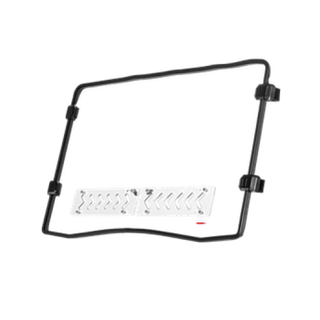
The Solution: [Vented Windshields] Opt for a windshield with adjustable vents. This allows you to crack the vents open to let a high-velocity stream of air hit your legs and torso, breaking the vacuum. The following are 3 kinds of specific windshields for reference:
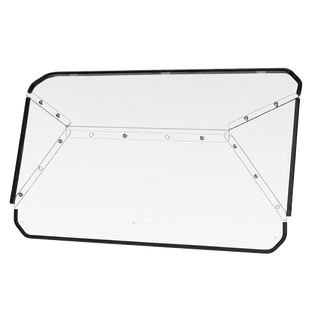
☛ Folding/Flip Windshields: These offer the best of both worlds. On cold mornings, keep it closed. When the sun hits, flip it up to allow maximum airflow. You can refer to Kemimoto Scratch-Resistant PC Flip Windshield.
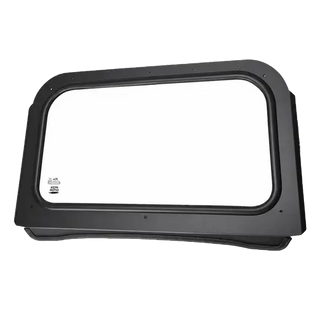
☛ Half Windshields: A half windshield, like the Kemimoto Front Half Windshield, deflects the main blast of wind over your head while still allowing plenty of fresh air to circulate through the cab.
☛ Windshield with Sliding Vents: There is a line of sliding vents at the lower part of the windshield; this design does not affect the windshield's dustproof and windproof features, but it keeps good airflow in the cab. Kemimoto Glass Windshield with Sliding Vent is a good example of this kind of windshield.

The Role of the Rear Window
It sounds counterintuitive, but adding a rear window can actually make your cab cooler. As mentioned earlier, a front windshield creates a vacuum that pulls in engine heat. A rear windshield (or "rear windscreen") breaks this cycle. It acts as a physical barrier that prevents the engine's hot exhaust and dust from being sucked back into the seating area.
For the best results, pair a vented front windshield with a mesh or polycarbonate rear window. This creates a "tunnel" effect where air flows in the front and stays pressurized enough to keep the engine heat out of the back.
Active Cab Cooling Systems
When passive airflow isn't enough—especially in slow-moving technical terrain or deep sand—you need to move air mechanically.
UTV Cooling Fans
The accessories mentioned above passively promote airflow; you can also choose a way to actively optimise the airflow. Therefore, a UTV fan helps you achieve the requirement. Two types of fans you can consider buying:
☛ UTV Overhead Fan: A fan that is installed in a roof location, which can generate a powerful wind speed. It can bring cool wind from the top and take away the heat in the cab.
☛ UTV Cooling Fan: It can bring cool wind from the surroundings, but does not do very good airflow like an overhead fan. But you can install the fan in many places of the cab, like the round tube and dashboard.

UTV Roof
If you ride your UTV in hot summer, strong sunlight, and gradually rising temperatures, you get heatstroke. Install a roof for your loved side-by-side! The roof can protect you from strong sunlight.
Consider Structural Cab Cooling Mods
If you’re looking for more advanced solutions, there are accessories and mods designed specifically for cab cooling.
UTV Air Conditioning Units
Portable or roof-mounted A/C systems provide real cooling power inside your X3 cab, though they’re generally pricier and heavier to install. They’re ideal for riders who use their X3s in extremely hot climates.
Remove or Modify Doors
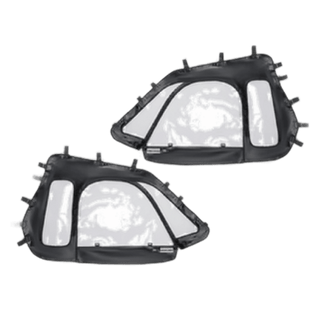
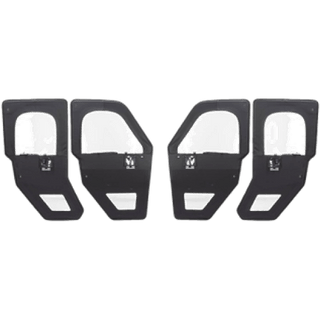
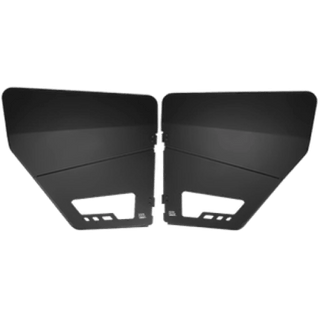
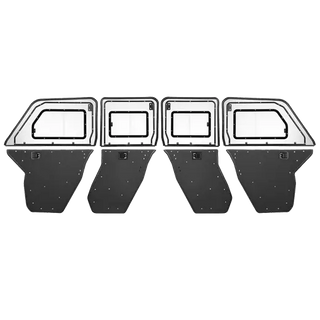
In extreme heat, some riders go so far as removing lower door panels or installing mesh inserts to encourage airflow. While this lets more fresh air in, it can also let dust and debris into the cab — something to consider based on where and how you ride.
Rider Tips for Staying Cool on the Trail
Even with accessories installed, good riding habits help manage heat better:
★ Ride at Higher Speeds When Possible
Airflow increases with speed. The wind moving across open vents or windshield gaps makes the interior feel significantly cooler.
★ Take Breaks During Peak Heat
If temperatures are very high, take regular breaks in shade or cooler spots. Allow the cab to cool before hopping back in.
★ Stay Hydrated
It may sound obvious, but keeping yourself cool from the inside helps your body handle heat buildup in the cab — especially since UTV riding often gets intense.
Conclusion
Reducing heat in your Can-Am X3 isn’t about one single "magic" fix; it’s about a combination of upgrades. The Can-Am Maverick X3 is a world-class machine that deserves to be driven all year round. Don't let the summer sun or engine heat park your ride. By investing in the right Can-Am X3 accessories and following these cab cooling tips, you can stay focused on the trail ahead rather than the temperature under your seat.
Ready to upgrade your ride? Check out the latest Can-Am Maverick X3 Accessories and start building your ultimate, cool-running off-road beast today!


Leave a comment