








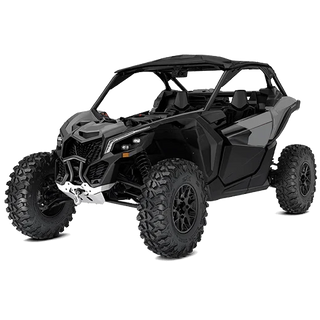
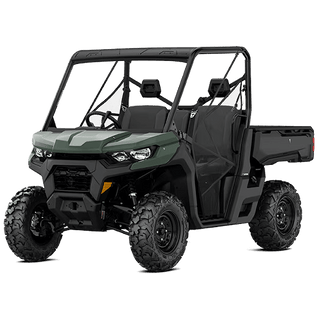
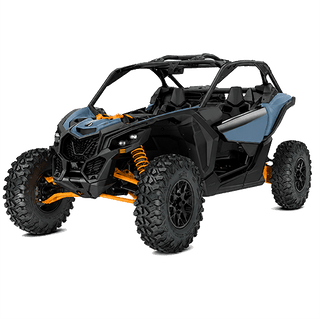
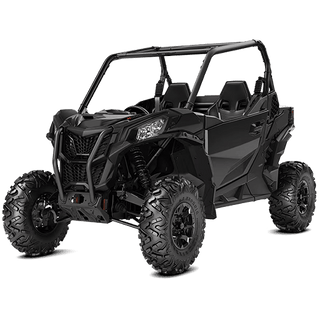














































Why Every UTV Needs Better Airflow?

For many off-road enthusiasts, part of the allure of a UTV is the unadulterated experience with the outdoors. Be it racing across the red rocks of Moab, plowing through thick forests in the Appalachians, or herding cattle across the ranchland of Texas, your side-by-side is your passport to liberty.
However, there is another silent enemy that all riders encounter almost immediately as the sun reaches its highest point in the sky. The silent enemy is the "stagnant air." Although the UTVs that ride the trails are designed for the toughest terrain, one aspect that manufacturers have failed to consider is the cabin's ergonomics, especially ventilation. Do you know how it feels to be "slow-cooked" in the cabin?
In this guide, we will explore the importance of owning a side-by-side and the way a good UTV fan or UTV roof fan can change your UTV ride from an endurance test to a breezy experience.’
The Hidden Costs of Poor Airflow
Poor airflow in a UTV is rarely an obvious problem — until it is. Here are the real, measurable ways inadequate ventilation affects riders and machines:
1. Rider discomfort and fatigue
UTVs are often utilized in harsh environments such as lengthy work shifts, multi-hour trail running, hunting, etc. Heat exposure is rapid; moreover, this is especially true with closed-cab designs. When overheated riders are involved, attention begins to lapse, speeds slow down, and fatigue results.

2. Electronics and component stress
Modern UTVs are loaded with electronics: GPS, radios, Bluetooth head units, LED light controllers, power inverters, and even aftermarket accessories like heated seats or dash cams. Electronics don’t like heat. Elevated interior temperatures accelerate wear on circuit boards, reduce battery life, and increase the chance of intermittent failures.
3. Excess dust, debris, and mud intrusion
Dust is being continually raised on trails and worksites. If there is no proper airflow to encourage the particulate exhaust rather than circulation and filtration, dust will settle on sensitive parts and in cabin crevices. This causes a maintenance nightmare and can result in the clogging of HVAC and venting systems.
4. Window fogging and visibility problems
Temperature differences between body heat, breath, and the outside air can cause condensation on visors and windshields. A well-placed fan reduces the relative humidity inside the cab and helps keep sight lines clear.
5. Mold, odors, and long-term cabin degradation
Any trapped moisture from wet gear, sweating, or condensation will stay if there is no airflow. Eventually, that will cause the vehicle to develop a foul smell due to fungi and bacteria, as well as the interior getting worn out quicker; in other words, not a very good situation for a vehicle you depend on.
The Science of Airflow: Why It Matters
UTV’s Weak in Ventilation
Most side-by-sides come with basic airflow by design — no doors, open cage structures, and optional windshields. But that’s not engineered ventilation.
You can think of your UTV cabin as a small cube where heat, moisture, and air must circulate. Without forced ventilation (like a fan), warm air rises and pockets near the roof, and stale air sinks until physical movement or external wind shifts it. When you’re riding slow, crawling hills, or stopped, that external airflow drops off dramatically.
This is where UTV fans and UTV roof fans shine.
The goal is not just extra air but better airflow control — moving air where you need it.
Here’s How Proper Airflow Helps
★ Reduces interior temperature
A fan actively draws cooler external air into the cab or pushes warmer air out, which significantly lowers interior temperatures compared to passive ventilation or rolling windows.
★ Eliminates stagnant air
Instead of air simply sitting inside the cab, a fan ensures continuous movement — which helps dispel humidity, odors, and dust. This creates a more comfortable environment for riders and passengers.
★ Improves comfort on hot days
At low speeds or idle, your UTV generates heat. A fan doesn’t let that heat linger; it disrupts the build-up and replaces it with constant air exchange.
★ Enhances visibility
Less dust and humidity mean clearer windshields and fewer smudges or fog buildup, especially in multi-passenger rides.
The Solution: Kemimoto UTV Fans
When it comes to aftermarket cooling, not all fans are created equal. You can’t just zip-tie a household fan to your roll bar and expect it to survive a trail ride. You need something built for the vibration, moisture, and dust of the off-road world.
The Kemimoto UTV Overhead Fan
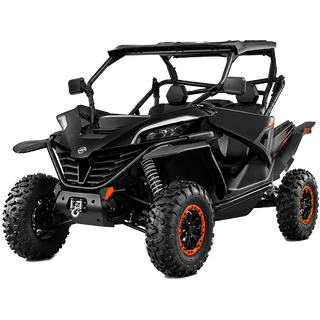
One of the most effective ways to solve the airflow crisis is by utilizing the unused space on your roll cage. The Kemimoto UTV Overhead Fan is specifically engineered for models like the Can-Am Maverick, Polaris RZR, and CFMOTO ZForce.

Why this fan is the right solution
-
Dual-Fan Configuration: Most single fans only cool one person. This overhead unit features dual adjustable fans so both the driver and the passenger can customize their airflow.
-
5-Speed Versatility: Whether you just need a light breeze to move stagnant air or a high-velocity blast to fight heat, the variable speeds have you covered.
-
Integrated LED Lighting: Space is at a premium in a UTV. Kemimoto integrated high-efficiency LED lights into the fan unit, giving you extra cabin illumination for night rides or map reading.
-
Rugged Durability: These fans are designed to withstand the "thump" of rocky trails and the fine dust of the desert.
The Power of UTV Overhead Fans
For those with hard roofs, UTV overhead fans offer a sleek, integrated look. They pull air from the highest point of the vehicle—where the air is cleanest and coolest—and push it directly down onto the occupants. This "top-down" cooling method is the most effective way to combat the rising heat coming from the floorboards.
Use-case: Summer Desert Runs vs. Winter Fogging
A UTV fan’s benefits aren’t limited to one season.
Summer desert runs — High ambient temperatures plus radiant heat from surfaces can boil the cabin. A roof-mounted fan moves that trapped heat out and brings cooler air down, dramatically improving comfort.
Winter or rainy conditions — Fans help manage humidity and condensation. Instead of fog building on windshields and visors, directed airflow sweeps moisture away — improving visibility and reducing the need for intermittent windshield wiping.
How to Choose the Right UTV Fan for Your Ride
When selecting a fan, consider:
▶ Fit and Size: Match the fan to your UTV’s roof width and cabin layout.
▶ Airflow Power: Higher air output means faster cooling, but multiple speed options are ideal for flexibility.
▶ Durability: Look for rugged construction and water/dust resistance.
▶ Easy Installation: Simple mounting and wiring mean less fuss and more trail time.
Kemimoto ticks all these boxes with its lineup of UTV fans. You can find the right fans for your loved vehicle in Kemimoto’s UTV fans collection.
Final thoughts
One of the wise and sensible changes to your UTV is upgrading it with a fan, which will bring you benefits every time you use it. It is not as attractive as big tires or a lift kit, but it will, in a very quiet way, enhance your time in the vehicle: more comfortable, safer, and more gentle to your electronics. Whether you are hard at work in your rig, enjoying weekends hiking on the trails, or on a long ride with the family, better airflow is a high-impact, low-hassle upgrade.
If you are attracted to comfort, safety, and less long-term maintenance, the addition of a UTV fan or a UTV roof fan should be at the top of your upgrade list. Check out the dedicated options and select a model that matches your mounting preferences. You will feel the difference the very first time you ride. Use the discount code "KMSEO" to enjoy an extra 16% off.


Leave a comment