









Types of Dirt Bikes: Which One Matches Your Riding Style?

We know that dirt bikes are one type of motorcycle vehicle. Actually, most riders will choose dirt bikes as their trail, track, and open-terrain riding machines. But dirt bikes also can be divided into some specific types. Then, different types have various features that make them suitable for specific off-road situations. Whether you are brand new to riding or coming back after a long break, one of the first questions you will face is simple but important: Which type of dirt bike is right for you?
The answer depends on where you ride, how you ride, and what you want out of the experience. A motocross track and a weekend forest trail demand completely different bikes. Getting that wrong is an expensive mistake. This guide walks you through every major dirt bike type in plain terms, compares them side by side, and explains what gear you need to ride any of them safely.
What Makes a Dirt Bike Different from a Regular Motorcycle?
At first glance, a dirt bike and a street motorcycle look similar: two wheels, an engine, and handlebars. But the two machines are built for entirely different worlds, and understanding those differences saves you from buying the wrong one.
Dirt bikes are stripped down and purpose-built for off-road use. Street motorcycles are heavier, more comfortable, and loaded with features required by law for road use. Here is how they compare:
☛ Suspension travel: Dirt bikes have long-travel suspension systems designed to absorb serious impacts from rough ground, rocks, and jumps. Street bikes have shorter suspension travel because smooth pavement does not demand it.
☛ Tires: Dirt bike tires are knobby and deeply lugged to grip loose soil, mud, and gravel. Road tires are smooth and optimized for asphalt traction and speed.
☛ Weight: Dirt bikes are significantly lighter, which makes them easier to handle through tight trails and technical terrain.
☛ Street legality: Most pure dirt bikes do not have headlights, mirrors, turn signals, or license plate mounts. They are not legal on public roads. Some types, like dual sport and enduro bikes, are designed to meet street requirements.
☛ Extras: Dirt bikes skip the fairings, plush seats, and electronics packages you find on street bikes. Everything unnecessary is removed to keep weight down and durability up.
Understanding these differences helps you choose the right machine before you spend a dollar.
The Main Types of Dirt Bikes Explained
Not all dirt bikes are created equal. Each type has its own geometry, suspension setup, engine tuning, and intended purpose.
▷ Motocross Bikes: Built for Speed and Competition
Motocross bikes, often called MX bikes, are purpose-built racing machines. They are designed exclusively for closed, competitive tracks that feature large jumps, tight corners, and fast straights. If you have ever watched a professional motocross event, these are the bikes flying 30 feet through the air.
The engineering on an MX bike reflects that singular focus. The frames are made from lightweight aluminum, the engines are tuned for maximum power in a narrow rev range, and the suspension is stiff to handle the forces generated by big landings. What you will not find on most motocross bikes: headlights, mirrors, kickstands, or anything else that adds weight without adding speed.
This makes them exhilarating to ride in the right environment, but they are not the most practical choice for casual trail riders. They require a high level of skill and are not street legal. If track racing is your goal, a motocross bike is the tool for the job.
▷ Trail Bikes: The Beginner-Friendly Choice
Trail bikes sit at the opposite end of the spectrum from motocross bikes in terms of accessibility. They are designed for recreational riders who want to explore dirt trails, forest paths, and open fields without the intensity of a dedicated race machine.
These bikes typically feature softer suspension tuning for a smoother feel over uneven ground, lower seat heights so riders can easily get a foot down, and user-friendly touches like electric starters and wide handlebars. The power delivery is gentler, which means less chance of getting caught off guard by a sudden burst of throttle.
Trail bikes are an excellent starting point for new riders and for families who ride together. They do not push limits, but they make the experience enjoyable and approachable. Many experienced riders also keep a trail bike in the garage for relaxed weekend riding even after years on more aggressive machines.
▷ Enduro Bikes: For Long-Distance Off-Road Riding
Enduro bikes are built to handle the real world, not a prepared track, but actual terrain including rocks, roots, mud, river crossings, and steep descents. They blend the performance of a motocross bike with practical features that allow them to cover long distances.
Most enduro bikes are street legal. They come equipped with headlights, turn signals, and a license plate bracket, allowing riders to transition from trail to road and back without needing a trailer. They also tend to have larger fuel tanks than motocross bikes because long-distance rides require more range.
Enduro racing is a separate discipline from motocross, emphasizing navigation and endurance over raw speed. But you do not have to race to appreciate an enduro bike. For overlanders and backcountry explorers, it is one of the most capable and versatile bikes you can own.
▷ Dual-Sport Bikes: Street Legal and Trail Ready
Dual-sport bikes take the idea of the enduro bike and make it even more road-friendly. They are fully street-legal motorcycles that can also handle unpaved terrain with competence. Think of them as the crossover vehicles of the motorcycle world.
You can commute to work on a dual-sport bike Monday through Friday and head into the hills on Saturday without changing the bike at all. They come with all the legally required equipment — mirrors, turn signals, horn, and appropriate lighting — and their suspension is tuned to handle both smooth asphalt and moderate trail riding.
The trade-off is that dual-sport bikes are typically not as capable in serious off-road conditions as a dedicated enduro or trail bike. They make compromises on both ends to serve both purposes. For riders who need one bike that does everything, though, that trade-off is absolutely worth it.
▷ Supermoto Bikes: Dirt Bike Agility on Pavement
Supermoto bikes are an interesting category. Think of them as dirt bikes that have been converted for street riding. They feature the lightweight frame and agile handling of a dirt bike, but they are fitted with smooth road tires and tuned suspension for pavement.
The result is a motorcycle that is exceptionally nimble in urban environments. Supermoto bikes carve corners and accelerate quickly, making them popular in cities and towns. They are not designed for serious off-road riding, but they offer a unique and engaging riding experience on paved roads.
Riders who enjoy the physical, dynamic feel of a dirt bike but spend most of their time on streets tend to gravitate toward supermotos.
▷ Adventure Bikes: Made for the Long Haul
Adventure bikes take the dual-sport concept and scale it up significantly. These are larger, heavier machines designed for extended travel — the kind of trips that last weeks and cross multiple countries. Think of the BMW GS series or the KTM 1290 Super Adventure.
They typically feature large fuel tanks for extended range, comfortable upright seating positions that reduce fatigue on long days, and significant luggage capacity through panniers and top cases. For motorcycle storage on the road, adventure bikes are designed with that in mind from the factory.
Adventure bikes can handle gravel roads, dirt paths, and some technical terrain, but they are at their best on a mix of roads and lighter off-road surfaces. For hunters, farm owners, or overlanders who cover significant ground between destinations, an adventure bike offers a compelling combination of comfort and capability.
▷ Electric Dirt Bikes: The Future of Dirt Bike Riding
Electric dirt bikes have moved from novelty to a genuinely competitive option over the past few years. Brands like KTM (with its Freeride E-XC), Stark Varg, and others have released models that can compete directly with gasoline-powered bikes in performance terms.
The advantages are real and practical. Electric bikes deliver instant torque with no need to manage gears or a clutch, which simplifies the riding experience considerably. They are much quieter than combustion bikes, which matters in areas with noise restrictions or when riding near wildlife. Maintenance is also simplified — no oil changes, no carburetor tuning, and no fuel to manage.
The limitations are improving but still real: charging times are longer than filling a gas tank, and range on a single charge may not suit very long rides. For riders who do shorter sessions closer to home or a charging point, though, electric dirt bikes are a legitimate and increasingly attractive option.
Quick Comparison: Dirt Bike Types at a Glance
Use this table to quickly match a bike type to your needs.
|
Bike Type |
Best For |
Street Legal |
Skill Level |
Key Feature |
|
Motocross (MX) |
Track racing |
No |
Intermediate to advanced |
Maximum power, lightweight |
|
Trail Bike |
Recreational riding |
No |
Beginner to intermediate |
Comfortable, forgiving |
|
Enduro |
Long off-road rides |
Usually yes |
Intermediate |
Versatile, large fuel tank |
|
Dual-Sport |
Road + trail riding |
Yes |
Beginner to intermediate |
All-rounder, commuter-friendly |
|
Supermoto |
Urban riding |
Yes |
Intermediate |
Lightweight, smooth road tires |
|
Adventure |
Long-distance travel |
Yes |
Intermediate |
Comfortable, high storage |
|
Electric |
Short-to-medium sessions |
Varies |
Beginner to intermediate |
Quiet, low maintenance |
Essential Dirt Bike Riding Gear for Every Type
No matter which type of dirt bike you choose, the right gear is not optional. Dirt bike riding gear protects you when things go wrong, and in off-road riding, falls and unexpected terrain are part of the experience. Riding without proper protection is a risk that is simply not worth taking.
Motorcycle Protective Apparel
A good motorcycle jacket should offer impact protection at the shoulders, elbows, and back, along with durable outer material that resists abrasion. For off-road riding, look for a jacket with ventilation since physical riding generates a lot of heat.
Motorcycle gloves protect your palms, knuckles, and fingers. Off-road gloves should fit snugly, offer grip on the handlebars, and include knuckle protection. Kemimoto's motorcycle gloves and riding gear collection includes options built specifically for riders who demand performance and protection in demanding conditions.

Motorcycle Phone Holder and Motorcycle Storage
Beyond protective gear, practical accessories make your rides more enjoyable and organized. A motorcycle phone holder keeps your navigation visible and accessible without requiring you to stop and pull out your phone. This is especially useful on unfamiliar trails where getting lost costs time and daylight.
For longer rides, motorcycle storage solutions, like tank bags, tail bags, and saddlebags, let you carry tools, spare parts, water, food, and extra gear without compromising your riding position. Kemimoto offers a well-rounded selection of motorcycle accessories, including handlebar bags designed specifically for dirt bikes and waterproof tail bags suited for all-weather adventures.
Good storage is not just about convenience. Carrying the right tools means you can handle minor mechanical issues on the trail rather than pushing your bike out of the backcountry.

Dirt Bike Safety Upgrades
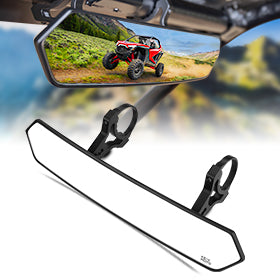
As mentioned above, we know that some types of dirt bikes do not have mirrors due to the racing features, but actually, motorcycle mirrors are more important than you think. A quick glance behind you can help you track riding partners, watch for hazards, and stay aware of your surroundings without breaking your focus on the terrain ahead.
Final Thoughts
Selecting the right dirt bike is a personal journey that begins with understanding your own riding style and goals. Whether you crave the adrenaline of motocross tracks or the freedom of adventure touring, there is a perfect machine out there for you. Once you have picked your ride, remember that the experience is defined by preparation. Quality gear keeps you safe, and the right aftermarket accessories keep you comfortable and organized.
Don't settle for "good enough." Take the time to find the gear that fits your needs at Kemimoto and hit the trails with confidence.


Leave a comment