
























Which Can-Am Maverick X3 Windshield Is Best for Your Ride?

Dust, flying debris, rain, mud, and heat can all change how comfortable a Maverick X3 feels on the trail. A well-matched can am maverick x3 windshield should do more than block wind. It should give you the right balance of coverage, airflow, visibility, and flexibility for the conditions you actually ride in.
The main options include full, half, flip-up, and wiper-equipped windshields. Each solves a different problem, so the best choice depends less on one feature and more on how those features fit your riding environment.
This guide will help you:
-
Learn what to check before buying a can am x3 windshield
-
Compare full, half, flip-up, and wiper-equipped designs
-
See how a can am x3 windshield with wiper handles rain and mud
-
Learn practical installation and maintenance considerations
What to Look for in a Can-Am X3 Windshield
Before comparing individual designs, decide what you need the windshield to do. A can am maverick x3 windshield that works well in a hot, dry environment may not be the best setup for a rider who regularly deals with rain, mud, or cold wind.
Focus on these factors first:
- Coverage: Decide whether you need full front protection or want part of the cab to remain open.
- Airflow: More coverage generally means less direct airflow unless the windshield includes vents or an adjustable opening.
- Material: Polycarbonate is widely used for its impact resistance and relatively low weight, while laminated safety glass offers strong scratch resistance and long-term optical clarity.
- Visibility: Think about more than the transparency of the panel. Rain, mud, dust, and surface scratches can all affect what you can see while riding.
- Vehicle fitment: Roofs, intrusion bars, cab accessories, model years, and specific X3 trims can affect compatibility.
Full Windshield: Maximum Coverage and Protection
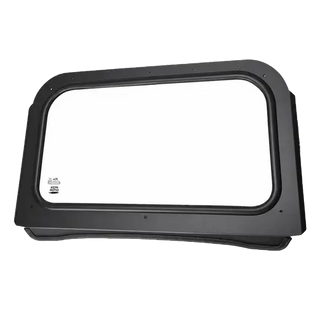
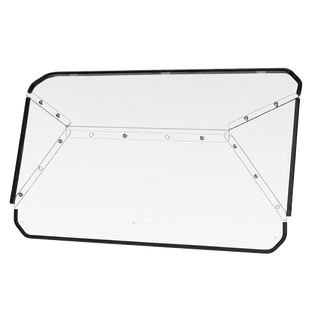
A can am x3 full windshield is built for riders who want consistent front coverage rather than an adjustable setup.
KEMIMOTO's full Maverick X3 windshield uses 1/4-inch polycarbonate with a hard-coated surface. The panel covers the front opening of the cab and helps reduce direct exposure to wind, dust, mud, water spray, sticks, and other trail debris. A rubber seal around the windshield also helps the panel sit securely against the vehicle while reducing rattling on rough terrain.
Where a Full Windshield Makes the Most Sense
Full coverage is particularly useful when your rides regularly involve dusty trails, loose gravel, brush, cool weather, or long stretches where you want less wind entering the cab.
Because the panel remains in place, there is no need to adjust it as riding conditions change. That simplicity can be an advantage if your typical environment is fairly predictable and protection matters more than maximum ventilation.
The trade-off is airflow. A fixed full windshield naturally blocks more direct air than a half windshield. Riders in hotter environments should therefore think about whether they need additional cab ventilation.
Why the Hard-Coated Surface Matters
Off-road windshields are constantly exposed to dust, branches, mud, and airborne debris. A hard-coated polycarbonate surface adds another layer of protection against everyday scratches and wear.
That does not make the panel scratch-proof, but it can help preserve visibility better than untreated polycarbonate under repeated trail use. Proper cleaning still matters, especially when fine dirt or sand settles on the surface.

Half Windshield: Balancing Protection and Ventilation
A can am x3 half windshield takes a different approach. Instead of covering most of the front opening, it protects the lower section while leaving the upper cab open.
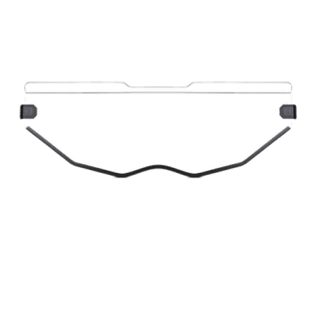
KEMIMOTO's half windshield for X3 uses 1/4-inch polycarbonate and includes a 45-degree upper lip. That shape is designed to redirect some airflow while still maintaining the ventilation riders expect from an open cab. Rubber strips and clamps secure the panel and help reduce vibration and rattling.
Why Half Windshields Work Well in Hot Weather
The main benefit is not maximum protection. It is maintaining airflow while reducing some of the direct wind and trail debris reaching the occupants.
That makes this design useful for warm-weather and dry-weather riding, when closing the entire front of the cab may make the ride feel hotter than necessary. You still get a barrier across the lower front opening without losing the open-air character of the vehicle.
A half windshield is less suited to conditions where keeping rain or mud off the upper body is a priority. Because the upper section remains open, it cannot provide the same weather coverage as a full windshield.
The Upper Lip Does More Than Add Height
The raised lip at the top edge is an important part of the design. Rather than allowing airflow to strike the occupants directly at the same angle, the lip helps redirect some of that air upward.
This allows the windshield to provide partial protection without closing the cab. For riders who want a noticeable reduction in direct wind but still value ventilation, that balance is one of the main reasons to choose a half windshield.
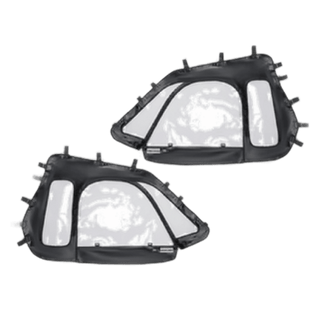
Flip Up Windshield: Switch Between Open and Closed
A can am x3 flip up windshield is designed for riders who do not want to commit to either a permanently open or permanently closed front cab.
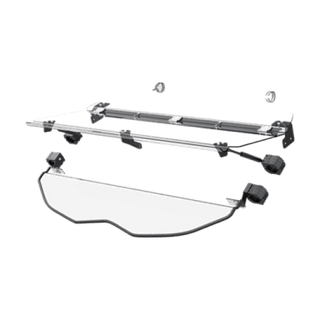
KEMIMOTO's upgraded X3 flip windshield can be used in three positions: closed, vented, or fully open. It is made from 1/4-inch polycarbonate and uses a full-length rubber seal along the lower edge. The product also lists more than 93% light transmission, helping maintain a clear view through the panel.
Closed, Vented, or Fully Open
When fully closed, the windshield provides the most protection from direct wind, dust, rain, and trail debris. The vented position creates an opening that lets more air enter the cab without exposing the entire front. This can be useful when temperatures rise but you still want some windshield coverage. Fully opening the windshield provides the most airflow and gives the cab a more open riding feel.
This three-position design makes a flip windshield especially useful when conditions change during the same ride.
High Light Transmission Helps Preserve Visibility
Adjustability would be less useful if the windshield itself made the view noticeably darker or less clear. KEMIMOTO lists more than 93% light transmission for its upgraded flip windshield.
High light transmission helps keep the view ahead clear in normal riding conditions, particularly when the windshield is fully closed. This matters on trails where the rider may quickly move between bright open terrain and shaded wooded sections.
The Rubber Seal Helps Reduce Gaps
The full-length rubber seal along the lower edge serves an important practical purpose. When the windshield is closed, it helps create a closer fit between the panel and the vehicle. That helps limit the amount of dust, water, and airflow entering through the lower gap while also reducing direct contact between the windshield and the body of the vehicle.
For riders who use the closed position frequently, the quality of this seal can matter almost as much as the panel itself.

Maverick X3 Windshield with Wiper: Clear Vision in Rain and Mud
Coverage alone does not guarantee good visibility. Once rainwater, mud, or wet trail spray collects on the windshield, being able to clear the viewing area becomes much more important.
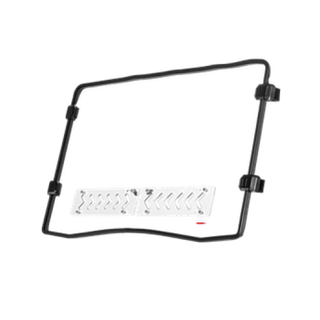
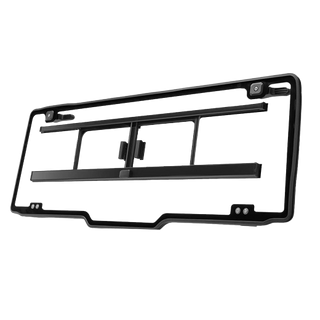
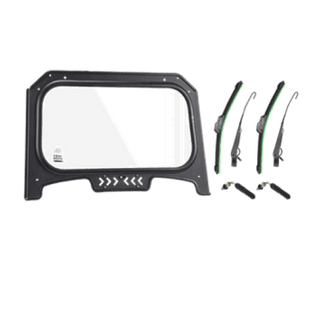
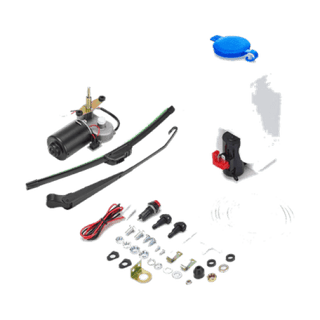
KEMIMOTO's glass X3 windshield uses 8mm laminated safety glass and includes two manual wipers. The two wipers cover more than 90% of the windshield surface. The windshield also includes sliding vents that can be operated one-handed to bring additional airflow into the cab.
Why Glass Is Useful for a Wiper Windshield
A wiper repeatedly moves across the same viewing surface, so scratch resistance becomes particularly important.
Laminated safety glass offers better resistance to surface scratching than standard polycarbonate. This makes it well suited to a windshield that may regularly encounter dust, sand, mud, vegetation, and repeated wiper use.
The trade-off is weight. Glass is heavier than a polycarbonate panel, so riders choosing between materials should think about whether long-term optical clarity or lower panel weight matters more for their setup.
Dual Wipers Cover More of the Viewing Area
A single small wiper may leave large areas of the windshield untouched. KEMIMOTO's design uses two manual wipers that together cover more than 90% of the glass surface. That wider coverage is useful when rain or muddy spray reaches different parts of the windshield rather than remaining concentrated directly in front of the driver.
Comparing Can Am X3 Windshield Options
The main differences become clearer when the four styles are placed side by side.
|
Style |
Material |
Airflow |
Rain/Mud Visibility |
Main Strength |
Best Suited For |
|
Full Windshield |
Hard-coated polycarbonate |
Lower |
Good coverage, no integrated wiper |
Consistent full-front protection |
Dust, wind, debris, cooler conditions |
|
Glass Windshield with Wiper |
8mm laminated safety glass |
Adjustable through sliding vents |
Two manual wipers cover 90%+ of the surface |
Visibility in wet and muddy conditions |
Rain, mud, wet trails |
|
Half Windshield |
Polycarbonate |
High |
Limited upper-body rain protection |
Ventilation with partial protection |
Hot, dry, mild-weather riding |
|
Flip Up Windshield |
1/4-inch polycarbonate |
Adjustable |
Depends on windshield position |
Closed, vented, or fully open positions |
Changing weather and mixed conditions |
The most important distinction is not simply which windshield offers more features. It is which problem each style solves.
Choosing the Best Windshield for Your Can Am Maverick X3
Choosing the right can am maverick x3 windshield becomes easier when you stop comparing every specification at once and instead identify the conditions that affect your rides most often.
Start With Riding Purpose, Not Just the Weather
Think about the terrain first.
On dusty desert trails, gravel roads, or routes with a lot of loose debris, additional front coverage can make a noticeable difference. A full windshield provides a fixed barrier, while a flip windshield gives you the option to increase airflow when conditions improve.
If most rides happen in hot, dry weather and the open-cab experience is part of what you enjoy about the X3, a half windshield may make more sense. It limits some direct airflow and debris without closing the front of the vehicle.
Wet and muddy riding creates a different problem. In those conditions, visibility can become more important than simply keeping rain out of the cab. That is where the wiper-equipped glass design offers a clear functional advantage.
Weigh Visibility Against Airflow
A windshield changes airflow through the cab, so more coverage is not automatically better in every environment.
For hot-weather riding, the can am x3 half windshield leaves more of the front opening exposed. A flip windshield gives you more control because it can move between closed, vented, and open positions. A glass windshield with sliding vents keeps full coverage while still providing an adjustable source of ventilation.
If heat is your main concern, start with airflow. If rain, mud, or spray regularly blocks your view, start with visibility.
Consider How Often Conditions Change
Some riders leave home in nearly the same conditions every time. Others may move between dusty roads, shaded trails, open desert, and rain within a single day.
A fixed windshield works well when your priorities remain consistent. A can am x3 flip up windshield makes more sense when you regularly want different levels of coverage during the same ride.
The ability to move between closed, vented, and fully open positions means you are not forced to choose maximum protection or maximum airflow before the ride begins.
Factor In Long-Term Material Preference
Polycarbonate and laminated glass solve different problems. Polycarbonate is relatively lightweight and highly resistant to impact, which makes it practical for off-road use. Hard coatings can also improve resistance to normal surface wear. Laminated safety glass is heavier but offers strong scratch resistance and consistent optical clarity. For riders who frequently encounter mud, sand, branches, or repeated wiper use, that surface durability can be especially valuable. Think about how the windshield will look and perform after repeated rides, not just when it is new.
Installation and Maintenance Tips for Can Am X3 Windshield
Even the right can am x3 windshield will not perform as intended if the panel is mounted unevenly or the sealing surfaces are not positioned correctly.
A few practices are worth following:
-
Confirm fitment before installation. Check the vehicle model, trim, roof, bars, and other roll-cage accessories first.
-
Position the windshield before fully tightening the hardware. This gives you room to correct alignment.
-
Keep the sealing material flat and correctly positioned. An uneven seal can affect fit and allow unnecessary movement.
-
Tighten mounting points gradually. Work across the panel rather than fully tightening one side first.
-
Recheck hardware after rough rides. Vibration and repeated trail impacts make periodic inspection worthwhile.
-
Keep the viewing surface clean. Remove dust and abrasive debris carefully rather than rubbing it across the windshield.
-
Inspect moving components separately. On flip windshields, check the latches and opening hardware. On wiper-equipped models, inspect the wipers and sliding vents to make sure they continue moving freely.
Material also affects maintenance. Polycarbonate benefits from careful cleaning because abrasive dirt can mark the surface over time. Glass is more scratch-resistant, but mud and grit should still be removed before repeatedly operating the wipers.
Conclusion
There is no single can am maverick x3 windshield that fits every rider because full, half, flip-up, and wiper-equipped windshields solve different problems.
Start with your riding environment, then compare airflow, visibility, material, adjustability, and cab compatibility. Once those priorities are clear, choosing between the available windshield styles becomes much more straightforward. You can explore the available options and check specific product fitment on the KEMIMOTO website.
FAQs
Does a Can-Am X3 windshield work with an intrusion bar?
Full-coverage windshields are generally not designed to work with intrusion bars, so checking cab compatibility beforehand is recommended.
Is polycarbonate or tempered glass more durable?
Polycarbonate is lighter and more impact-resistant, making it well suited to daily off-road use. Tempered glass offers better clarity and scratch resistance over the long term.
Does a flip up windshield need constant adjusting?
No. It's designed to be left in one position for most rides and flipped only when conditions call for it.
Do wiper-equipped windshields require extra maintenance?
Regularly checking the wiper blades for wear and avoiding ammonia-based cleaners on the glass helps maintain performance and protect the coating.
Can a half windshield handle rainy rides?
A half windshield is built primarily for airflow and partial protection, so its performance in heavy rain is limited. Riders who frequently face wet conditions may prefer a full or wiper-equipped windshield instead.


Leave a comment