


























Automatic Motorcycle vs Manual Motorcycle: Finding Your Best Ride

Choosing between an automatic motorcycle and a manual motorcycle is one of the first big decisions every new rider faces, and it matters more in 2026 than ever before. Industry data shows new motorcycle and scooter sales rose 4.2 percent in the first quarter of the year, with touring and dual-purpose models leading the gains. At the same time, automatic transmissions keep spreading beyond scooters into larger adventure and touring bikes, as the average rider gets older and more people look for an easier way to ride. Whether you are a weekend explorer, a hunter who needs dependable transport to remote land, or a farm owner moving between fields, the transmission you pick affects comfort, control, and confidence on every trip. This guide breaks down how automatic and manual motorcycles compare, helps you choose the best beginner motorcycle, and points you toward gear that makes either choice more enjoyable.
Here is what this article covers:
-
How a manual motorcycle works and why many riders still prefer it
-
How an automatic motorcycle simplifies riding for commuters and beginners
-
A side by side comparison of both transmission types
-
Practical tips for finding the best beginner motorcycle
What Is a Manual Motorcycle and How Does It Work?
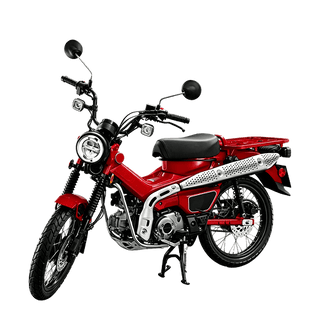
A manual motorcycle uses a hand-operated clutch lever and a foot shifter, so the rider decides exactly when the engine changes gears. This setup has powered motorcycles for decades and still appears on most sport bikes, cruisers, and off-road models sold today.
Riders who choose a manual motorcycle usually do so for a few clear reasons:
-
Direct control over power delivery, which helps on steep hills, loose dirt, or farm trails
-
Lower purchase price in most cases, since manual transmissions are simpler to build
-
A wider range of available models, since most motorcycles still ship with a manual gearbox
-
Skills that transfer easily to almost any other bike down the road
The trade off is a learning curve. New riders need practice to coordinate the clutch, throttle, and brake without stalling, and that can feel frustrating during the first few rides. Once the motion becomes second nature, though, many riders say the added control is worth the early struggle.
What Is an Automatic Motorcycle and Why Riders Choose It?
An automatic motorcycle shifts gears on its own, using a continuously variable transmission or an automated clutch system, so the rider only manages the throttle and brakes. This makes the automatic motorcycle increasingly popular among new riders, daily commuters, and anyone who wants a simpler way to enjoy two wheels.
The appeal is straightforward. Without a clutch to manage, riders can focus on balance, braking, and reading traffic instead of juggling gear changes. That is part of why automatic transmissions have expanded well beyond small scooters and now appear on larger touring and adventure bikes, as manufacturers respond to an aging rider base and growing demand for lower-effort controls. The main downsides are a higher price tag in many cases and a transmission system that may need specialized service rather than a routine clutch adjustment.
Automatic Motorcycle vs Manual Motorcycle
Once you understand how each system works, the real differences come down to control, cost, and convenience. The table below lays out how an automatic motorcycle and a manual motorcycle compare across the factors that matter most to everyday riders.
|
Factor |
Manual Motorcycle |
Automatic Motorcycle |
|
Learning curve |
Steeper, requires clutch practice |
Gentler, twist and go |
|
Rider control |
Full control over every gear change |
Less hands on control, smoother shifts |
|
Maintenance |
Clutch cable and plates need periodic upkeep |
Fewer manual parts, but service can be specialized |
|
Purchase price |
Usually lower |
Often higher due to added technology |
|
Best suited for |
Experienced riders, off-road and farm use |
Beginners, commuters, long highway trips |
|
Model availability |
Wide range across nearly every category |
Growing, but still a smaller share of the market |
Neither option is universally better. A manual motorcycle rewards riders who want hands on control and plan to ride off paved roads, while an automatic motorcycle suits anyone who values a shorter learning curve and a calmer ride in traffic.
Finding the Best Beginner Motorcycle for Your Skill Level
New riders often ask which transmission makes the best beginner motorcycle, and the honest answer depends on goals, budget, and how much time you can spend practicing. Here is what tends to matter most when starting out.
-
Engine size: a smaller engine, often in the 300cc to 500cc range, keeps power manageable while you build confidence.
-
Seat height and weight: a lower seat and lighter frame make the bike easier to handle at stops and in slow traffic.
-
Transmission type: an automatic motorcycle removes clutch control from the equation, which helps many beginners focus on balance and braking first, while a manual motorcycle builds skills that carry over to almost any future bike.
-
Riding environment: commuters dealing with stop-and-go traffic often prefer automatics, while riders heading onto trails, hunting land, or farm roads may want the finer control a manual offers.
For hunters and farm owners who move across uneven ground, a manual motorcycle or a semi-automatic model often makes more sense, since it allows precise throttle control at low speeds. For everyday commuting or a true first bike, an automatic motorcycle cuts down on what you need to think about, so you can concentrate on the road instead of the gearbox.
Best Motorcycle Gear to Pair With Your New Ride
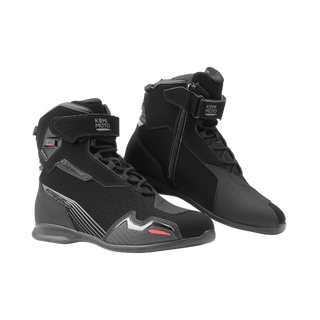
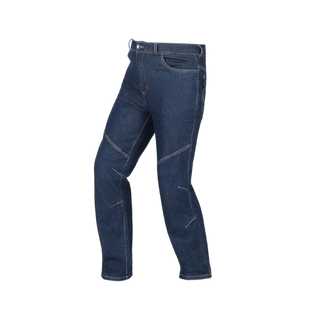
No matter which transmission you choose, the right gear keeps every ride safer and more comfortable. Kemimoto's motorcycle accessories collection covers the essentials that riders, off-roaders, hunters, and farm owners ask for most.
Choosing the Best Motorcycle Gear for Comfort and Safety
Building a list of the best motorcycle gear starts with the basics that protect you and keep your hands ready for the controls.
-
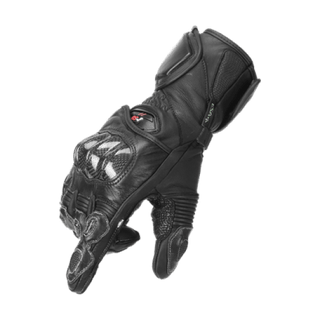
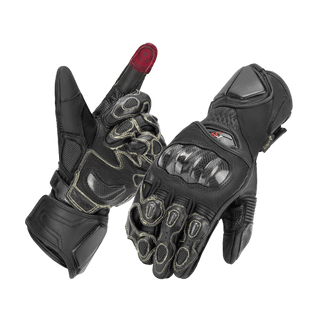
Riding gloves, including Kemimoto's leather and heated gloves, for grip and weather protection

-
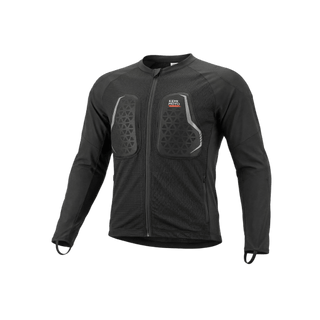
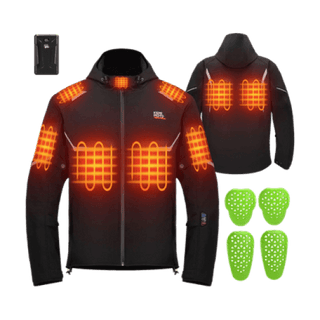
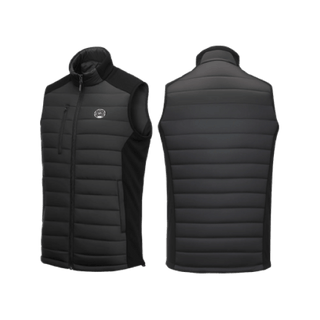
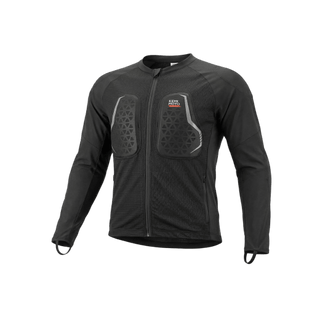
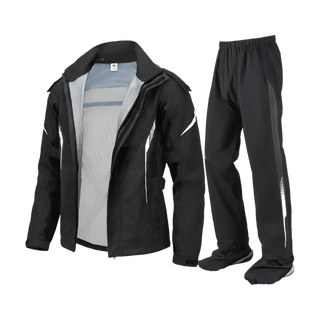
A durable jacket or heated layer, such as Kemimoto's heated vests and jacket liners, for cold mornings on the farm or trail
-
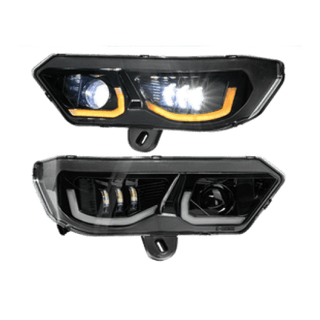
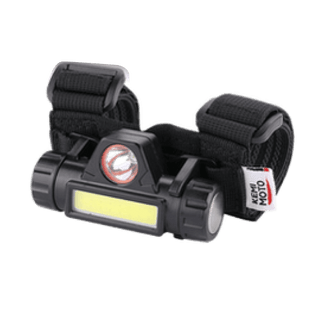
Reflective or LED lighting accessories to stay visible to other drivers
-
Storage solutions like saddlebags or a riding gear backpack to carry tools, water, or hunting gear
-
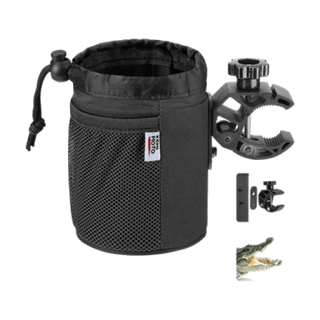
Long rides across farmland or backcountry trails call for steady hydration, and a motorcycle drink holder solves that without forcing you to stop every hour.
Kemimoto's motorcycle gear lineup is built for outdoor use, so the same jacket or gloves that work on a Sunday ride can also handle a cold morning checking fences or heading out before sunrise on a hunt.
Final Thoughts
Both automatic and manual motorcycles can deliver a great ride, and the right pick comes down to how you plan to use the bike. Riders who want full control, a lower upfront cost, and a wider range of models still lean toward manual motorcycles. Riders who want an easier learning curve, smoother commutes, or simply less to manage on the road are turning to automatic motorcycles in growing numbers, a trend the latest 2026 sales data backs up. If you are shopping for the best beginner motorcycle, focus on size, weight, and how the bike fits your daily routes before worrying about brand or style. Once you have chosen your ride, round it out with dependable gear from Kemimoto's accessories and gear collections, including gloves, storage, and a motorcycle drink holder built for real riding conditions.


Leave a comment