

































Best Heated Motorcycle Gloves for Winter Riding: What to Look For

Riding season does not have to end when the temperature drops. As more riders keep their bikes out through late fall and winter, cold hands have become one of the most common complaints on group rides and forums alike. Numb fingers are not just uncomfortable. They slow your reaction time on the clutch and brake, which makes cold weather riding genuinely risky.
That is exactly the problem heated riding gloves were built to solve. Instead of relying on thick insulation that makes it hard to feel the controls, these gloves warm your hands directly with built-in heating elements, so you keep both warmth and control.
Here is what this guide covers:
-
How heated riding gloves actually work and where the heat comes from
-
The difference between rechargeable heated motorcycle gloves and wired, bike-powered systems
-
What battery voltage and capacity mean for real-world ride time
-
Why waterproof protection matters as much as warmth
-
A side-by-side comparison to help you find the best heated gloves for motorcycle riding
What Are Heated Riding Gloves and How Do They Work?
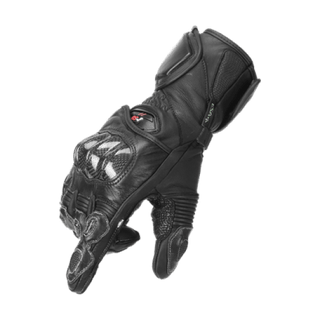
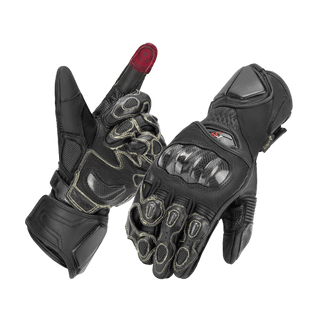
Heated riding gloves look like ordinary motorcycle gloves on the outside, but they hide a network of thin heating elements built into the lining.
The heat comes from fine heating wires, often made from carbon fiber or a similar conductive material, that run across the back of the hand and around the finger joints. This placement matters because the knuckles and fingers are usually the first places to go numb in cold air. When the gloves are switched on, a small rechargeable battery sends power through these elements, warming the lining from the inside out rather than just trapping body heat like a regular winter glove would.
Most heated gloves, including Kemimoto's lineup, offer a few adjustable heat settings so you can match the warmth to the conditions:
-
High setting – strongest heat output, shorter runtime, best for the coldest mornings
-
Medium setting – a balance of warmth and battery life for typical winter commutes
-
Low setting – gentle, steady warmth that stretches battery life the longest
In general, the higher the heat setting, the shorter the runtime, since more power is being pulled from the battery per hour. Riders often start on high to warm up quickly, then drop to medium or low once their hands feel comfortable.

Rechargeable Heated Motorcycle Gloves vs. Wired Systems
Not all heated gloves work the same way, and this is one of the first decisions to make before buying a pair.
Wired heated gloves plug directly into your motorcycle's electrical system, usually through a cable that runs up the sleeve to a port near the battery or handlebars. They can supply heat for as long as the bike is running, but you are tethered to your bike and need a compatible wiring kit installed.
Rechargeable heated motorcycle gloves take a different approach. They run on removable, rechargeable batteries, similar to the ones in a power tool or flashlight, so there is no wiring to install and no cable connecting you to the bike. This makes them far more flexible. You can walk away from the bike with the gloves still warm, use them on more than one motorcycle, or wear them off the bike entirely for activities like hunting, ice fishing, or shoveling snow.
Kemimoto's heated gloves for men and women are a good example of this rechargeable design. They come with two 7.4V batteries that charge over Type-C, along with a battery level display so you always know how much runtime you have left before a ride.
For commuters and everyday riders, the convenience of a rechargeable pair usually outweighs the longer runtime of a hardwired setup, especially since most commutes are shorter than a single battery charge.
Battery Powered Heated Motorcycle Gloves: What Voltage and Capacity Matter
Once you decide on a rechargeable pair, the next thing to look at is the battery itself.
Most battery-powered heated motorcycle gloves on the market use a 7.4V battery pack, which has become the standard voltage for this category because it delivers enough power for even heat distribution without adding excess weight to the glove. Battery capacity, measured in mAh, is what determines how long that heat lasts. A 3000mAh battery, for instance, can typically support several hours of use depending on the heat setting selected.
When comparing battery-powered options, a few details are worth checking before you buy:
-
Removable batteries so you can swap in a charged pair mid-ride or replace a worn battery later
-
Fast, standardized charging, such as Type-C, so you are not stuck hunting for a specific adapter
-
Independent heat control for each glove, which lets you fine-tune warmth for each hand rather than being locked into one setting for both
-
Safety certifications, like UL 2054, which confirm the battery has passed testing for things like overcharge and short-circuit protection
These details do not just affect comfort. A poorly made battery pack is a real safety concern on a moving vehicle, so it is worth spending a little more for a certified, well-built battery system.
Waterproof Heated Motorcycle Gloves for All-Weather Rides
Heat alone is not enough if your hands still get soaked. Waterproof heated motorcycle gloves add a layer of protection that matters just as much as the heating element itself, especially for anyone who rides through rain, sleet, or wet snow.
A wet glove conducts heat away from your skin far faster than a dry one, which means moisture can undo most of the benefit of a heating system. Waterproof or splash-resistant exteriors, sealed seams, and windproof liners help keep the cold and wet out so the heat generated inside actually stays where it is needed.
There is also a safety angle here. Wet gloves tend to be slicker on the grips and levers, which makes it harder to maintain a firm hold on the controls. A dry, wind-blocking glove helps you keep a secure grip in poor weather, which is just as important as staying warm.
Touchscreen compatibility is another practical feature to look for in this category. Waterproof gloves with conductive fingertips let you operate a phone or GPS mount without removing your gloves in the cold, which matters most exactly when the weather is bad enough that you do not want to take them off.
Kemimoto's waterproof heated motorcycle gloves use this kind of layered, water-resistant construction along with touchscreen fingertips, so wet weather does not force a choice between staying dry and staying connected.

Best Heated Gloves for Motorcycle: Key Features to Compare
With so many overlapping features between models, a side-by-side look makes it easier to see where each pair stands out. Here is how three common types of heated motorcycle gloves compare.
|
Feature |
Standard Heated Gloves |
Waterproof Heated Gloves (Sheepskin) |
Dual-Zone Riding Gloves |
|
Battery |
7.4V, 3000mAh (x2) |
7.4V, 3000mAh (x2) |
Layered riding gear, worn with heated gloves |
|
Heat settings |
3 modes |
3 modes |
N/A (pairs with heated glove liner) |
|
Runtime (approx.) |
Up to 6 hours on low |
Up to 6 hours on low |
N/A |
|
Touchscreen fingertips |
Yes |
Yes |
Depends on glove worn underneath |
|
Weather protection |
Splash and wind resistant |
Waterproof, windproof |
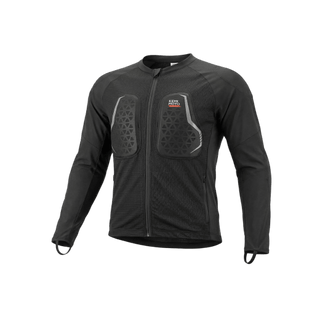
Water-resistant shell, CE armor |
|
Best for |
Daily commuting, general riding |
Wet, cold-weather rides |
ADV touring and layered protection |
Looking at this table, a clear pattern shows up. If you want the best heated motorcycle gloves for daily use, a standard rechargeable pair with three heat modes covers most riders' needs. If you frequently ride in rain or snow, the sheepskin waterproof pair is worth the upgrade for its added weatherproofing. And if you are already investing in layered riding gear, pairing heated gloves with dual-zone heated ADV riding gloves rounds out your cold-weather setup.
How to Choose the Right Heated Motorcycle Gloves for You
The right pair really comes down to how and where you ride.
-
Daily commuters usually do best with a standard rechargeable pair. Shorter rides mean battery life is rarely an issue, and the lighter build keeps things comfortable in stop-and-go traffic.
-
Long-distance and touring riders should prioritize battery capacity and consider carrying a spare charged battery, since hours in the saddle will draw down even a well-built pack.
-
ADV and off-road riders benefit most from waterproof construction and reinforced knuckle protection, since trail conditions are less predictable than paved commutes.
-
Anyone riding in rain or snow should treat waterproofing as a requirement, not an extra, since wet hands lose heat fast no matter how good the heating element is.
Fit and lining material matter too. A sheepskin lining, like the one used in Kemimoto's waterproof gloves, adds a layer of natural insulation and softness against the skin, which many riders find more comfortable on longer rides than a synthetic-only lining.
Final Thoughts
Cold hands are more than a minor discomfort on a motorcycle. They affect grip, control, and reaction time, all of which matter for safe riding. The best heated motorcycle gloves solve this by combining reliable heating elements, a well-built rechargeable battery, and weatherproofing suited to how you actually ride.
Whether you need a simple rechargeable pair for daily commuting or a fully waterproof set for winter touring, matching the glove to your riding conditions is the real key to staying warm. Browse Kemimoto's full heated gear collection to compare current options and find the pair that fits your rides.
FAQs
How long do heated motorcycle gloves stay warm on one charge?
Most rechargeable heated gloves run for several hours on a single charge, with runtime depending on the heat setting. Low settings typically last the longest, often up to six hours, while high settings drain the battery faster.
Are heated riding gloves safe to use in the rain?
Yes, as long as they are built with waterproof or water-resistant materials and a sealed battery compartment. Standard heated gloves without this protection should be kept dry to avoid damaging the heating elements or battery.
Can I use heated motorcycle gloves off the bike?
Rechargeable, battery-powered gloves are not tied to a motorcycle's electrical system, so they work just as well for skiing, hunting, ice fishing, or simply walking the dog on a cold day.
Do heated gloves work with touchscreens?
Many heated gloves, including Kemimoto's lineup, include conductive fingertips on the thumb and index finger, so you can use a phone or GPS without taking your gloves off.
What battery voltage should I look for?
7.4V is the most common voltage for heated motorcycle gloves and offers a good balance of warmth, weight, and battery life. Pay closer attention to battery capacity in mAh, since that has a bigger effect on how long the gloves stay warm.


Leave a comment