














































How to Choose the Right UTV Roof Fan for Different Models

If you have ever ridden with a roof and windshield installed, you already know how quickly a closed cab can turn into a sauna. Enclosing your UTV keeps sand and cold air out, but it also traps body heat, engine warmth, and stale air right where you sit. As trail season stretches hotter and longer into the year, more riders are turning to a UTV roof fan instead of living with a stuffy cab.
To eliminate these exact cabin heat issues, installing a dedicated overhead airflow system transforms your entire riding experience. This detailed guide will provide you with a comprehensive explanation on how to select a ventilation system, covering the following aspects:
- Why upgrading to a quality UTV roof fan kit is worth it
- How to match a fan to your Can-Am, Polaris Ranger, or Polaris RZR
- The real difference between standard and RGB dual head fans
- How to keep your UTV roof fan running well for years
Why Upgrading to a High-Performance UTV Roof Fan Matters
A dedicated overhead cooling system can make a noticeable difference in cabin comfort by keeping air moving around the driver and passengers. This is especially important in enclosed or semi-enclosed UTVs, where heat from the engine and roof can build up quickly during slow rides, summer work, or long trail sessions.
Quality dual-head fans create steady airflow across the seating area, helping disperse trapped heat before it settles around your head and upper body. Instead of relying on natural airflow from vehicle movement, riders can direct cooling air toward each seat and adjust the speed as conditions change.
UTV roof fans can also help manage dust on dry trails. Open and semi-enclosed cabs often pull dust inward, especially when following another vehicle. A downward airflow helps move airborne dust away from the face and toward the lower part of the cabin.

How to Match a UTV Roof Fan to Your Model
Choosing the right overhead fan starts with three factors: roof width, interior clearance, and roof shape. Accurate measurements help ensure a secure installation without reducing visibility or headroom.
Kemimoto dual overhead fans are designed for UTVs with inner roof frame widths of approximately 41.5 to 57 inches. The mounting bracket attaches to square or round crossbars and is built to remain stable on rough terrain.
Roof height is equally important. UTVs with low roof domes or modified roll cages may not have enough space for two 8-inch fan heads. In these cases, a compact single-head fan is often a better choice because it preserves more headroom.
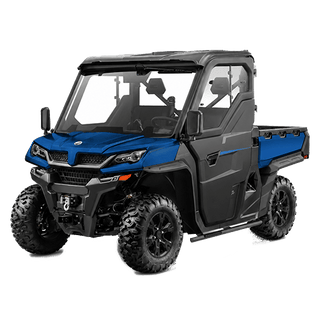
Finding the Right Can-Am Roof Fan for Defender
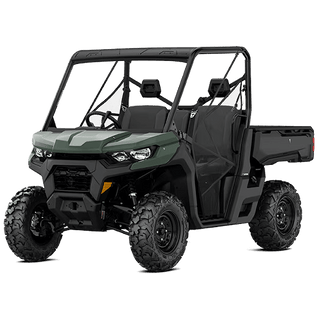
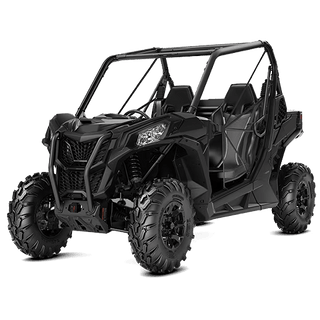
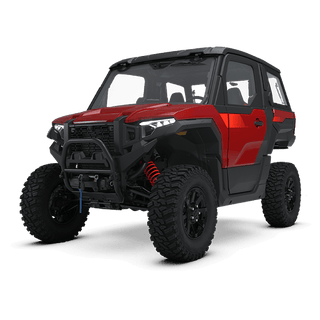
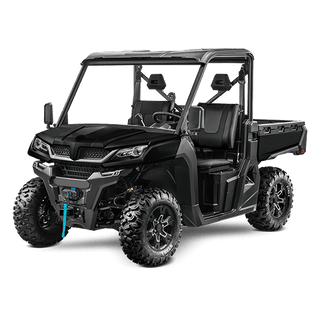
Can-Am Defender models have wide utility cabs that are well suited to dual roof fans. The dual system uses an 80W, 12V motor and delivers up to 930 CFM at 3,000 RPM while drawing 6.6 amps.
Can-Am roof fan can be adjusted from side to side and angled forward or backward. This allows the driver and passenger to direct airflow toward their own seating positions, providing more comfortable ventilation during property work, hauling, or trail riding.
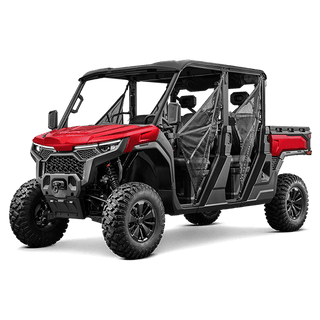
Optimizing Your Cab with a Polaris Ranger Roof Fan
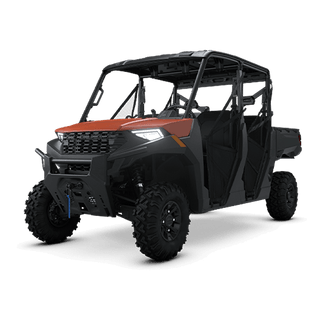
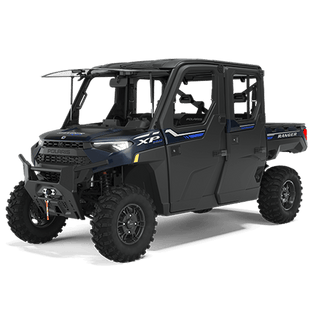
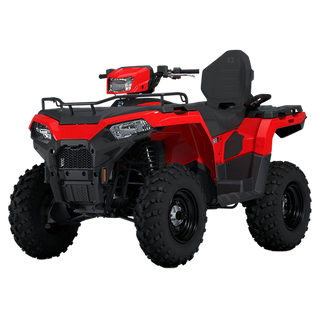
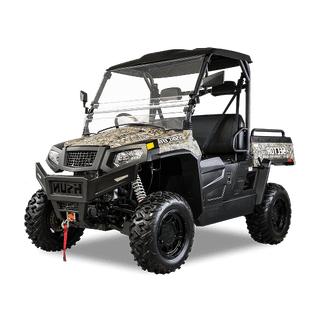
Polaris Ranger models are often used at low speeds for towing and hauling. Because the vehicle is not always moving fast enough to create natural airflow, the cab can become warm and uncomfortable.
The installation of the dedicated Polaris Ranger roof fan is very simple. The sturdy bracket can be firmly attached below the roof panel without affecting the original windshield or the door seals. This rotary variable-speed controller allows the driver to adjust airflow from a light breeze to maximum output. The dial is simple to operate and doesn't require repeated button presses, making it easier to change the fan speed while driving.
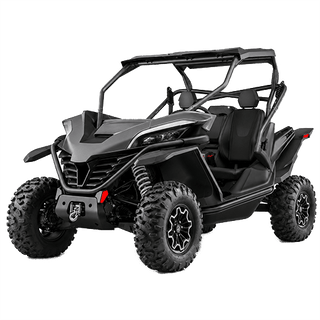
Selecting a Dedicated Polaris Roof Fan for RZR
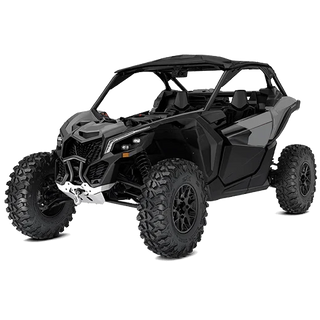
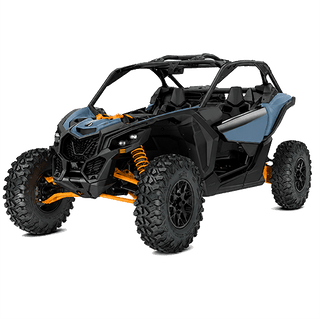
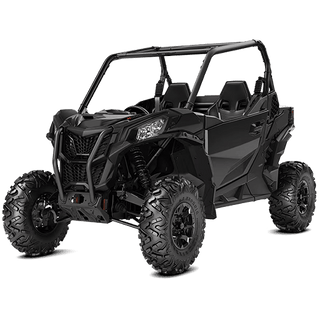
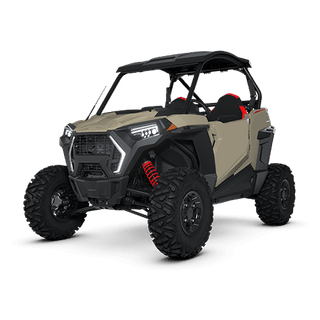
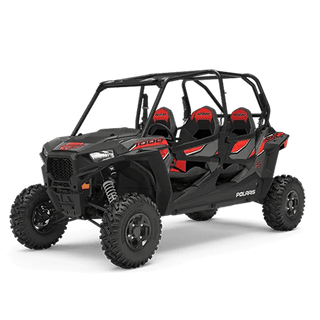
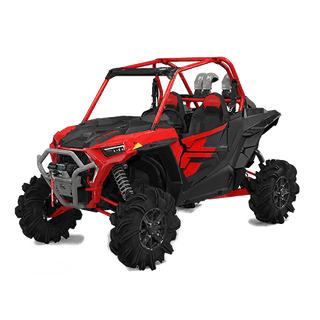
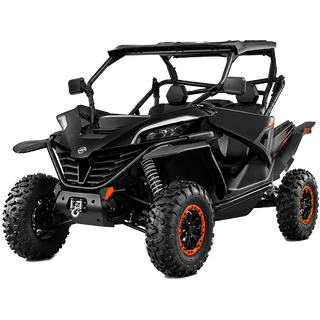
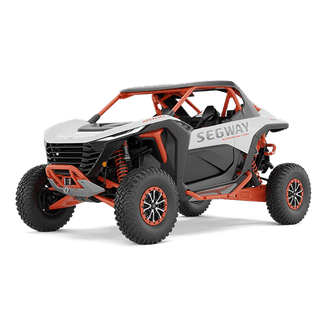
Sport UTVs such as the Polaris RZR require closer attention to headroom because of their reclined seats and contoured roof designs. The mounting position should leave enough space above the driver and passenger, especially when helmets are worn.
When installing a Polaris roof fan in a Polaris RZR, confirm that the roof frame falls within the 41.5 to 57-inch width range. A dual Polaris roof fan can provide strong airflow when the cab has sufficient space. However, low-profile models are better suited to a single-head fan. The smaller design helps reduce the risk of head contact when riding over rough terrain.

Standard vs RGB Dual Head UTV Roof Fan Options
Selecting between standard functional lighting and multi-color RGB accent lighting depends on your style preference and night-riding needs. Both models share identical high-performance fan assemblies and motor specifications.
|
Feature |
Standard Dual Head Fan |
RGB Dual Head Fan |
|
Airflow |
Two 8-inch fans, up to about 930 CFM at 3,000 RPM |
Same two 8-inch fans, same CFM rating |
|
Speed control |
Rotary variable speed dial |
Rotary variable speed dial |
|
Cabin lighting |
Two independent white dome lights |
White dome light plus four RGB halo rings around the fan blades |
|
Extra features |
None beyond cooling and lighting |
RGB lighting can sync with compatible speakers through an app |
|
Best for |
Riders who want strong cooling without extra lighting |
Riders who want nighttime style along with cooling |
|
Weather rating |
IP66 water and dust resistant |
IP66 water and dust resistant |
The standard version is the simpler pick if you mainly care about airflow and do not need customizable lighting. The overhead fan with RGB for UTV costs more but adds a nighttime look that pairs well with a Kemimoto sound system, since the halo rings can sync color and effects to the music through the companion app. Either way, both models fit the same roof width range and mount the same way, so the decision does not affect your fitment planning.
Maintenance Tips for Your UTV Roof Fan
Regular maintenance and scientific cleaning methods can protect your roof fan unit from environmental damage, ensuring its long-term stable operation.
Kemimoto overhead fans for UTVs feature an IP66 water-resistant rating, providing strong protection against trail dust and rain spray. However, high-pressure water jets from commercial pressure washers can force water past protective rubber seals into motor housings or control circuits. Always unclamp and remove the fan unit before cleaning your vehicle with a high-pressure washer.
To ensure long-lasting performance from your UTV roof fans, keep these routine maintenance tips in mind:
- Clean Away Trail Dust: Use low-pressure compressed air or a soft microfiber towel to wipe accumulated dirt off fan blades and grilles after dusty group rides.
- Check Mounting Fasteners: Periodically inspect bracket bolts and clamp tension to ensure trail vibration has not loosened overhead attachment points.
- Inspect Electrical Wiring: Check 12V wiring connections, inline fuse holders, and switch terminals for tight contact and zero wire insulation chafing.
Conclusion
Finding the right UTV roof fan kit comes down to checking your frame dimensions, assessing cab height, and choosing the right lighting features for your needs. Installing a dual 8-inch overhead fan can alleviate the feeling of heat, effectively control dust, and achieve comfortable air circulation. Whether you choose the functional white dome lights of the standard model or the customizable ambiance of the app-controlled RGB version, active overhead airflow makes every off-road trip vastly more enjoyable. Measure your UTV's roof frame today and upgrade your side-by-side with industry-proven accessories from Kemimoto.


Leave a comment