





































How to Install UTV Soft Upper Doors: Step-by-Step Guide

Cold wind, rain, and dust can make UTV riding uncomfortable, especially during winter trips or outdoor work. Installing soft upper doors can help protect the cabin while maintaining visibility and access to the vehicle. However, incorrect installation may leave gaps, loosen mounting straps, or make the zippers difficult to operate.
This guide explains how to install UTV soft upper doors, from checking the vehicle and preparing the mounting surfaces to securing the panels and improving their fit. It also covers common installation problems, maintenance, and practical considerations for different vehicle models.
What to Prepare Before Installing UTV Soft Upper Doors
Preparing the vehicle and installation components before starting can prevent fitting problems and unnecessary adjustments. Since UTV soft upper doors use different mounting systems depending on the vehicle and product design, the first step is to confirm that everything is compatible and ready for installation.
Confirm UTV Fitment
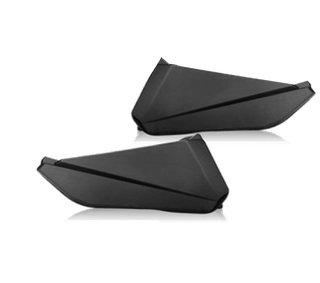
Not all soft upper doors fit the same UTV models. Differences in door frames, roll cages, and seating configurations can affect the mounting locations and panel dimensions. Before purchasing or installing a set, confirm the vehicle's make, model, year, and existing lower door design against the manufacturer's fitment information.
Accessories such as windshields, roofs, and side mirrors also require attention. These components may occupy the same areas used to attach the upper panels. For example, a windshield clamp near the front roll cage may limit the available space for a mounting strap. Check that the chosen upper doors are compatible with these accessories rather than assuming all aftermarket components will fit together.
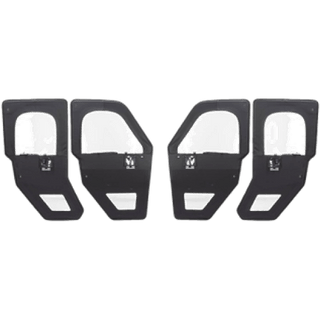
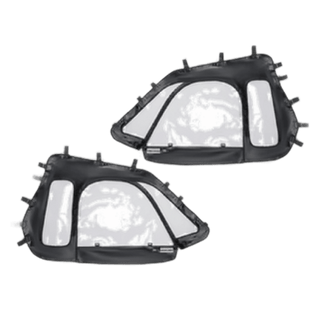
KEMIMOTO offers model-specific products, including soft upper doors for Can-Am Maverick X3. Confirm the exact vehicle configuration before installation, particularly when using aftermarket lower doors or other cabin accessories.
Inspect the Installation Kit
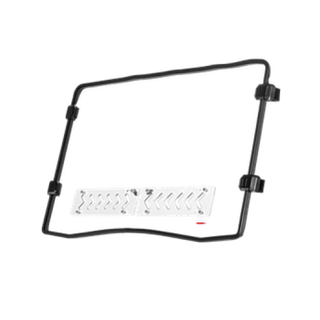
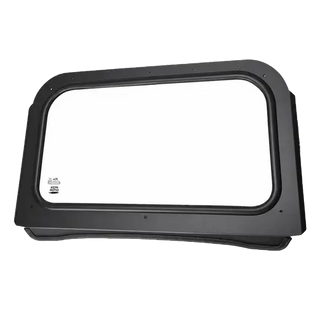
Unpack the upper door kit and compare its contents with the manufacturer's parts list. Depending on the product, installation may involve fabric panels, straps, hook-and-loop fasteners, brackets, or supporting frames. Lay out the components in an organized area so they can be identified easily during installation.
The following items may be needed:
-
Left and right upper door panels
-
Supplied mounting straps or fastening components
-
Brackets or supporting frames, if included
-
Basic hand tools specified in the product manual
-
A soft cleaning cloth and mild soap
-
The product's installation instructions
Check each component for damage before fitting it to the vehicle. Pay particular attention to the zippers, stitching, and attachment points. If any required hardware is missing, obtain the correct replacement rather than using an improvised fastener that may not hold the panel securely.
Prepare the Door Frame
Clean the roll cage, upper edges of the existing doors, and other areas where the installation components will attach. Mud, dust, and grease can interfere with certain fasteners and make it harder to position the panels accurately. Use mild soap and water where appropriate, then allow the mounting surfaces to dry.
Inspect the original vehicle seals and attachment hardware during preparation. Loose brackets or damaged seals may affect the final fit, even when the upper doors are compatible with the vehicle. KEMIMOTO specifically advises owners installing Maverick X3 upper doors to clean the door frame and panels and avoid damaging the factory sealing strips and fasteners.
Once the vehicle is prepared, identify the correct orientation of each panel and locate the mounting areas shown in the product instructions.
How to Install Soft Upper Doors on a UTV
Installing soft upper doors generally involves positioning the panels, attaching the mounting hardware, securing the fabric, and checking the final fit. The following process applies mainly to flexible, strap-mounted designs. Always follow the model-specific manual when its installation sequence or hardware differs.
Align with the Lower Doors
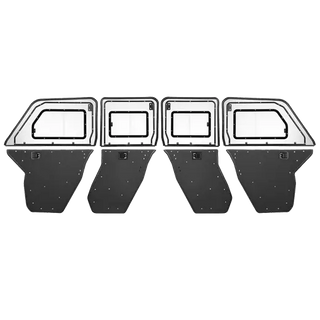
Start by identifying the left and right upper panels. Examine the shape of each panel, including the zipper placement, transparent window sections, and attachment locations. This helps determine how the material should sit above the existing lower doors.
Hold the first panel against the designated opening and align it with the roll cage, roofline, and upper edge of the lower door. The panel should follow the vehicle's frame without excessive stretching. Check that its front and rear edges are correctly positioned before attaching any fasteners.
If the panel appears too short, uneven, or difficult to align, confirm that it is on the correct side of the vehicle. Do not pull the material into place with excessive force. An incorrect fit may indicate a positioning mistake or a compatibility issue.
Temporarily support the panel while checking its alignment. For larger panels, having another person hold the material can make it easier to identify the correct mounting locations.
Attach the Mounting Straps
After positioning the panel, identify the main attachment points shown in the installation instructions. Strap-mounted products typically secure the upper doors around designated sections of the vehicle frame, while other designs may use additional fastening components.
Route each strap according to the product manual and keep it flat against the intended mounting area. Twisted straps can make adjustments difficult and may prevent the panel from sitting correctly. Where hook-and-loop fasteners are supplied, align the connecting surfaces carefully before pressing them together.
The KEMIMOTO Polaris RZR XP upper door enclosure uses detachable straps to support installation and removal. This design allows the upper doors to be removed when they are no longer needed.
Avoid tightening every attachment immediately. Leaving some room for adjustment helps align the remaining edges before the final fitting stage.
Fasten the Panel Edges
Once the main fasteners are attached, secure the remaining mounting points in the order specified by the manufacturer. Check the upper section along the roll cage, then inspect the connections near the front, rear, and lower edges of the panel.
Pay particular attention to the connection between the upper panel and the existing lower door. The material should cover the intended opening without interfering with door handles, hinges, or latches. Misalignment in this area can create gaps or prevent the door from closing properly.
Tighten the fasteners gradually while checking how the fabric responds. If one section becomes excessively stretched, loosen the affected attachment and reposition the material. The goal is to secure the panel evenly rather than applying maximum tension at a single mounting point.
Repeat the process for the opposite side of the UTV. Before continuing, confirm that both panels are correctly positioned and that their attachment points remain accessible.
Set the Zippers and Windows
After securing the panels, close the zippers and check their operation. A properly aligned zipper should move without excessive resistance or pulling the surrounding material out of position.
If a zipper becomes difficult to close, inspect the fabric tension near its track. A panel pulled too tightly in one direction can place additional pressure on the zipper. Make small adjustments to the nearby fasteners and test the zipper again.
Some soft upper doors include roll-up window sections for ventilation. KEMIMOTO's Polaris RZR enclosure features upgraded resin zippers and allows the upper sections to be rolled up and secured with two straps. The product also includes reflective zipper strips that help make the zipper locations easier to find in low light.
For products with roll-up windows, test the opening and securing mechanism according to the manufacturer's instructions. Make sure the rolled material remains properly retained and does not obstruct the driver's view.
Test Door Closure and Sealing
Once the panels are installed, close both vehicle doors and inspect the areas where the fabric meets the roll cage, lower doors, roof, and windshield. The upper doors should fit closely against the intended surfaces without excessive gaps or loose sections.
Use the following checklist for the final inspection:
-
Upper frame: Check that the panel follows the roll cage and roofline correctly.
-
Lower connection: Confirm that the upper panel aligns with the existing lower door.
-
Front and rear edges: Look for gaps or loose material near the windshield and rear frame.
-
Mounting points: Make sure all supplied fasteners are secure.
-
Zippers and windows: Test their operation after completing the adjustments.
-
Door movement: Open and close the vehicle doors to check for interference.
Inspect the installation from both inside and outside the cabin. Confirm that visibility, door controls, and other essential vehicle functions are not affected.
Although upper doors help reduce exposure to wind, rain, and trail debris, they should not be considered completely airtight or waterproof. The level of coverage depends on the vehicle, door design, and compatibility with surrounding accessories.

How to Adjust UTV Soft Upper Doors for a Better Fit
Even after the main installation is complete, UTV soft upper doors may need additional adjustments to improve their fit. Small changes to the mounting tension and panel alignment can help reduce loose material, improve zipper operation, and minimize openings around the cabin.
Begin by checking the tension across the installed panels. The material should sit relatively evenly without being stretched tightly in one area or hanging loosely in another. If the fabric appears uneven, adjust the nearby attachment points rather than tightening every strap at once. Pay attention to the sections surrounding transparent windows, as excessive tension can distort their shape.
Next, inspect the zipper alignment and any adjustable window openings. Open and close each zipper several times to confirm that the surrounding fabric remains in position. If the zipper operates smoothly when a nearby strap is loosened, the panel may have been pulled too tightly during installation. Adjust the tension until the fastening components and zipper work together without unnecessary strain.
Finally, examine how the upper doors connect with the existing lower doors, windshield, and roof. These areas are particularly important because differences in accessory dimensions can create gaps or cause fabric interference. The table below summarizes common fitting concerns and appropriate checks.
|
Area to Inspect |
Common Issue |
Recommended Adjustment |
|
Upper roll cage |
Loose fabric near the roof |
Check panel alignment and upper fasteners |
|
Lower door connection |
Visible gap between panels |
Reposition the upper panel and inspect compatibility |
|
Zipper area |
Excessive tension |
Loosen nearby fasteners and realign the fabric |
|
Windshield edge |
Interference with mounting hardware |
Check clearance and product fitment |
|
Transparent window |
Uneven tension or wrinkles |
Adjust surrounding attachment points gradually |
After making adjustments, inspect the complete installation again. If a panel cannot fit correctly without excessive stretching or interference, review the product's compatibility information before making further changes.
Common Soft Upper Door Installation Problems and Solutions
Installing soft upper doors can involve minor fitting challenges, especially when the UTV already has aftermarket accessories. Identifying the cause of a problem before adjusting the mounting system can help prevent unnecessary damage.
Poor Lower Door Alignment
A panel that does not align with the existing lower door may be positioned incorrectly or designed for a different vehicle configuration. Start by confirming the model and year listed in the product's fitment information. Check that the panel is installed on the correct side and that its upper edge follows the intended roll cage section.
If the mounting points are correct but the lower edge still does not align, inspect the vehicle's existing doors. Some aftermarket lower doors may have different dimensions or mounting positions from factory components. Compatibility should be confirmed before further adjustments.
Tight or Stuck Zippers
A tight zipper often indicates uneven fabric tension, misalignment, or debris in the zipper track. Inspect the surrounding material and check that nothing is caught between the zipper teeth. If the panel is under excessive tension, loosen the nearby fasteners slightly and test the zipper again.
Dirt can also affect zipper movement during regular use. KEMIMOTO recommends cleaning the Maverick X3 upper door zipper with a toothbrush, soap, and water, then allowing it to dry before applying a suitable zipper lubricant. Avoid forcing the zipper when resistance is present.
Loose Mounting Straps
Loose straps can allow the upper panels to shift or move excessively. Check whether the fasteners are routed through the correct mounting locations and whether the surrounding material is properly aligned. A strap that is twisted or incorrectly positioned may not maintain the intended tension.
Inspect the straps and stitching for wear. If the mounting components are damaged, replace them with suitable parts recommended by the manufacturer. After tightening the attachments, check the panels again to confirm that the adjustments have not created excessive tension elsewhere.
Wrinkled Window Panels
Wrinkles may be visible when transparent soft windows are first unpacked, particularly after the product has been folded for shipping. Some wrinkles may gradually become less noticeable as the material relaxes in warmer conditions.
KEMIMOTO notes that wrinkles or cloudiness on its Maverick X3 upper doors may improve with exposure to sunlight and warmth. Its FAQ also discusses careful use of a hair dryer or heat gun, with a warning against overheating one area. Because excessive heat can damage transparent material, follow the product-specific instructions and avoid applying heat to other products without manufacturer approval.
Windshield and Mirror Interference
Interference may occur when existing windshield clamps, mirror brackets, or roof accessories occupy the intended mounting areas. Before modifying anything, check whether the upper doors are designed to accommodate those components.
Inspect the alignment around the front roll cage and upper corners of the vehicle. If the interference remains, refer to the product's installation manual or contact the manufacturer. Avoid cutting the fabric or altering structural hardware to force an incompatible combination to fit.
How to Clean and Maintain Soft Upper Doors After Installation
Regular maintenance helps keep soft upper doors functional and in good condition, particularly on vehicles used in muddy, dusty, or wet environments. The most important areas to inspect are the transparent windows, zippers, mounting straps, and attachment points.
Fabric and Window Cleaning
Remove loose dirt from the fabric and window surfaces before wiping them. Use mild soap, water, and a soft cloth to clean the panels gently. Abrasive brushes, strong solvents, and unsuitable glass cleaners may damage transparent materials, so avoid using them unless the product manufacturer specifically approves them.
Pay attention to the edges where the panels meet the vehicle frame. Mud and dust can accumulate around these areas during off-road riding. After cleaning, allow the material to dry before rolling the windows or removing the panels for storage.
Zipper and Strap Maintenance
Zippers and fasteners experience repeated movement during normal use. Regular inspection can help identify dirt buildup, loose straps, damaged stitching, and other issues before they affect operation.
For the Maverick X3 product, KEMIMOTO recommends cleaning zipper teeth using a toothbrush with soap and water. After drying, suitable zipper lubricant may be applied according to the product instructions. Avoid forcing a zipper that has become stuck.
Check mounting straps periodically and confirm that they remain correctly positioned. Replace worn or damaged components when necessary. If the upper doors have been removed and reinstalled several times, perform a complete fit inspection before the next ride.
Seasonal Removal and Storage
Some KEMIMOTO soft upper doors are designed for convenient seasonal removal. For example, the Polaris RZR upper enclosure uses detachable mounting straps, allowing riders to remove the panels when additional cabin airflow is preferred.
Before removal, clean the material and allow it to dry. Release the mounting components according to the manufacturer's instructions rather than pulling directly on the fabric. Organize removable fasteners so they are available for the next installation.
KEMIMOTO recommends storing its Maverick X3 upper doors without folding them sharply. The windows should be zipped closed and the material rolled before storage. Keep the panels in a clean, dry location away from sharp objects, heavy items, and sources of excessive heat.
Conclusion
Installing soft upper doors requires careful preparation, correct positioning, and secure attachment to the vehicle's existing structure. Checking compatibility before installation is essential, especially when the UTV already has aftermarket lower doors, windshields, or roof accessories. Once installed, proper tension adjustments and regular maintenance can help keep the panels fitting and operating correctly.
KEMIMOTO offers model-specific upper door solutions for UTV owners who want additional protection from wind, rain, and trail debris. Explore the KEMIMOTO soft cab enclosure collection to compare available designs and find compatible soft upper doors for your vehicle.
FAQs About UTV Soft Upper Doors
Can UTV soft upper doors be installed without drilling?
Some UTV soft upper doors use straps or other supplied fasteners that do not require drilling. However, installation methods vary between flexible panels and framed systems. Check the specific product manual to confirm whether drilling, tools, or additional mounting hardware are required.
Are soft upper doors compatible with factory windshields?
Many soft upper doors are designed to work with compatible factory windshields, but fitment depends on the vehicle model and windshield configuration. Check the product's compatibility information and inspect the available space around windshield clamps before installation.
Can soft upper doors be removed during summer?
Yes. Many removable upper door systems can be taken off when additional airflow is preferred. KEMIMOTO's Polaris RZR upper doors use detachable straps, while some products also feature roll-up sections that allow ventilation without removing the entire panel.
Can UTV soft upper doors be installed on aftermarket lower doors?
Compatibility with aftermarket lower doors depends on their dimensions and mounting design. Even when the upper doors fit the correct vehicle model, modified lower doors may have different attachment positions. Confirm compatibility with both products before installation.


Leave a comment