



























How to Ride a Motorcycle Safely With Your Dog

The open road serves as the ultimate freedom for motorcyclists who seek to experience it. The best thing about traveling through winding canyons and coastal highways exists in the presence of your closest friend.
Adventure seekers have adopted the practice of riding with dogs, which people commonly call "moto-dogging." The process of starting your motorcycle with your dog requires more effort than simply calling your dog and turning on the engine. The process needs both special equipment and extensive training and complete dedication to maintaining safe operations.
The complete guide will present all the necessary information required for safe motorcycle riding with dogs, starting from selecting an ideal motorcycle dog carrier through dog training and achieving a hassle-free riding experience.
Why Ride With Your Dog?
Dogs are social beings that naturally seek companionship and activities. Among them, sporty types get to enjoy the sensory overload of being on a motorcycle; they get to experience new smells, sights, and sounds. A motorbike ride can also be a great way to deepen your relationship with your dog. On the contrary, not all dogs are physically and emotionally equipped to handle motorcycle rides, and if you insist on the experience, it can result in stress or accidents.
Is Your Partner Ready for Motorcycle Riding?
Not all dogs are natural road companions. Before investing in a motorcycle pet carrier for dogs, assess whether your dog is a good candidate.
Temperament Matters
Dogs that are calm, confident, and adaptable tend to do best. If your dog is easily startled, anxious in loud environments, or overly energetic, riding may not be safe. Every trip decision should ask for your “partner’s” opinions; if its answer is "no," respect its decision.
Size and Weight
Most motorcycle dog carriers are designed for small to medium-sized dogs. Larger dogs require specialized setups that may not be practical for standard motorcycles.
Health Condition
Dogs with respiratory issues, joint problems, or heart conditions may not tolerate riding well. Always consult your veterinarian before starting. Whether as a partner or an owner, we must always care about our dog’s condition.
Choosing the Right Motorcycle Dog Carrier
Safety starts with the equipment. You wouldn't ride without a helmet; your dog shouldn't ride without a secure, crash-tested environment. A high-quality motorcycle dog carrier is the most important investment you will make.
Key Features to Look For
☞ Stability and Secure Mounting: Your carrier should attach firmly to your motorcycle, whether on the seat, luggage rack, or tank. A loose carrier can shift during turns or braking, putting your dog at risk.
☞ Ventilation: Proper airflow is essential. Look for mesh panels or breathable materials that keep your dog cool while allowing visibility. Do not ignore our partner’s riding experience!
☞ Padding and Comfort: Long rides require cushioning to reduce vibration and fatigue. If it were you, you wouldn't want to sit on a hard seat all the time either.

☞ Weather Protection: Water-resistant materials or rain covers help protect your dog from unexpected weather changes.
Recommended Products for Your Ride
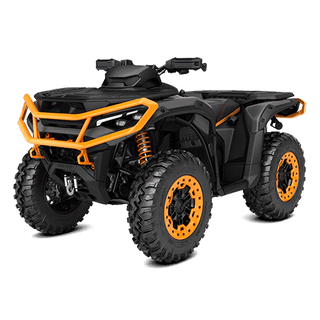
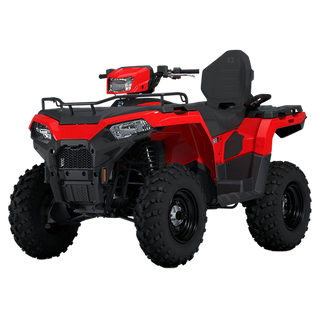
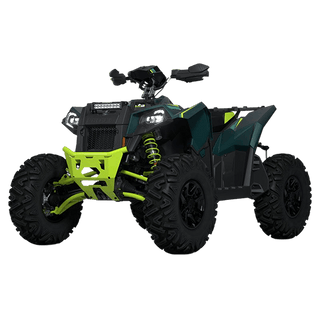
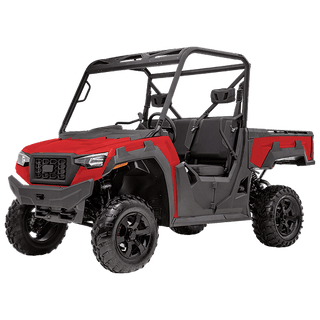
When it comes to reliability and design, Kemimoto offers some of the best solutions on the market. (For the ATV rider, ATV dog carrier seat is right for you.) Here are three top-tier options depending on your bike and needs:
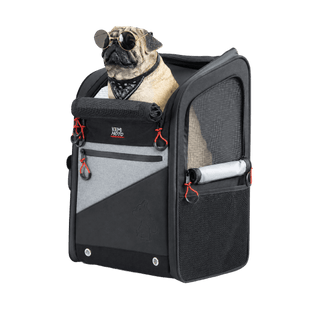
★ The Backpack Design: Kemimoto Motorcycle Pet Carrier Bag
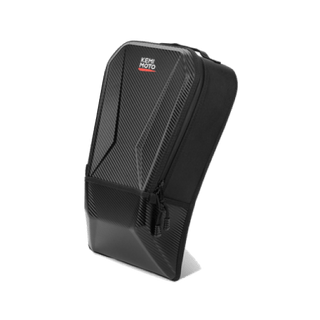
It features a backpack design that can be installed on the back seat of the motorcycle and also carries your pet when walking. There are 3 storage pockets so you can bring food, drinks, and toys for your buddy. This bag can endure 20lbs.
★ The Storage Box Design: Kemimoto Pet Carrier Bag for Street Glide Road King
Bigger space than that of the Kemimoto Motorcycle Pet Backpack. Soft cushion enhances your cute dog riding experience. The ventilation opening allows your partner to stick its head, enjoy fresh air, and the landscape.
★ The Maximum Versatility: Kemimoto Pet Carrier for Motorcycle
This carrier can be used as a pet handbag or a shoulder bag, so it is applicable to multiple scenarios. The main spotlight is that it can be expanded to a larger space.

The Training Process: From Living Room to Open Road
You cannot expect a dog to understand a motorcycle overnight. Training should be a multi-week process involving desensitization and positive reinforcement.
Phase 1: The "Living Room" Introduction
Bring your new motorcycle pet carrier for dogs into the house. Let your dog sniff it, walk around it, and sleep in it. Place their favorite treats and toys inside. You want them to view the carrier as a "safe zone" or a mobile crate.
Phase 2: The Stationary Bike
You should first train your dog to use the carrier before you attach it to your motorcycle at your driveway or garage. You should place your dog inside the carrier after you secure him with the internal leash, but you should not start the engine yet. Then sit on the bike with your dog and give him treats while he learns to experience both the elevated position and the feeling of being on the motorcycle.
Phase 3: The Engine Starts
The noise level of motorcycles is high. The sudden roar of an engine can trigger a flight response in dogs. Start the bike while the dog is nearby but not yet on it. Move the dog closer to the bike until they feel at ease with it running. You should provide your pets with constant rewards whenever the buddy displays calm behavior.
Phase 4: The Neighborhood Crawl
Your first ride should be no longer than five minutes. Ride around the block at low speeds (10–15 mph). Focus on smooth starts and stops. Observe your dog through your mirrors—are they panting excessively (stress) or looking around curiously?
Essential Doggy Safety Gear for Better Protection
The carrier is your dog's "cockpit," but they need personal protective equipment just like you do.
Eye Protection (Doggles)
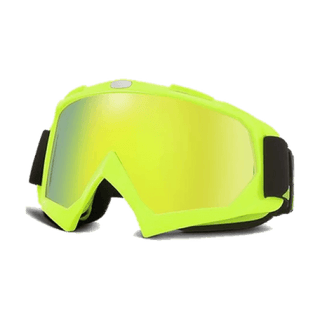
At 60 mph, a tiny pebble or even a large bug can cause serious eye injury to a dog. "Doggles" (dog goggles) are essential. They protect against UV rays, wind debris, and dust. Look for goggles with adjustable straps that fit snugly around the head and chin.
Paw Protection and Clothing
In colder weather, dogs can lose heat quickly due to the wind chill factor. A windproof dog jacket is a great addition. Conversely, in hot weather, ensure the carrier has a cooling mat.
Conclusion
Having a dog with you on a motorcycle means you must take care of all the responsibilities that go with such a rare privilege. Along with training your pet, using a high-end motorcycle dog carrier, and resorting to safety gear suitable for the pet, you can turn the dangerous activity of riding a dog on a motorcycle into a safe, worthwhile one that can be your life-changing hobby.
The primary consideration of dog owners should also be that the selected motorcycle pet carrier for dogs is a multi-purpose item, apart from just being used for reaching the final destination. Because during travel, they have to protect themselves and their pet. The road is calling for both of you.


Leave a comment