



























Common Polaris Ranger Problems and How to Fix Them

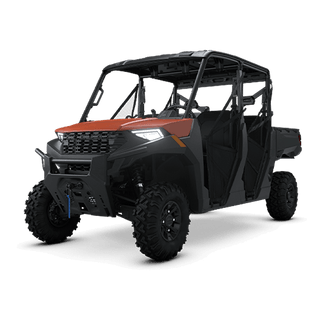
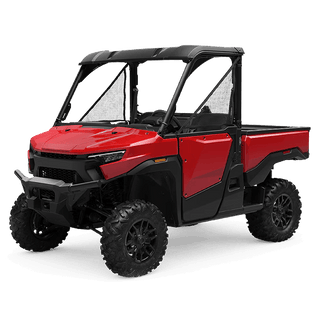
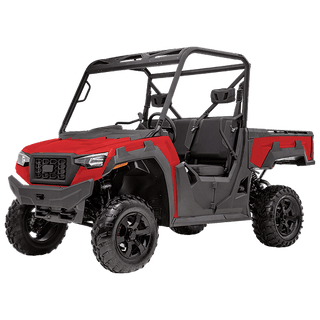
The Polaris Ranger has been the top dog in the utility UTV world for a long time now. Whether you're hauling hay out to the farm, navigating through tight woods, or just counting on it to be there for you come hunting season, this thing is a real workhorse. But let's be real, like any high-performance machine that gets thrown around in all kinds of no-good weather - it's gonna have its mechanical moments.
If you own a Ranger, you know all too well that when things break down, it's not just a minor annoyance but a major headache that can really put a dent in your productivity. Knowing the most common Polaris Ranger problems that can creep up and having a clue how to sort them out can save you a small fortune in mechanic fees and keep your machine running like a top for years to come.
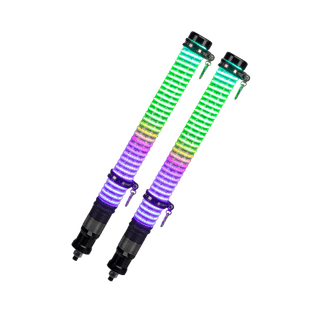
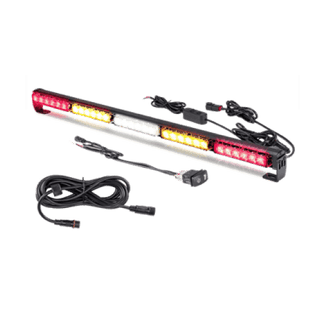
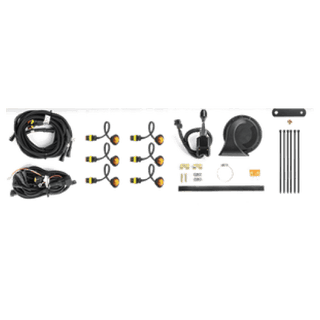
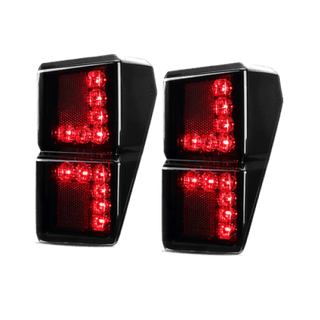
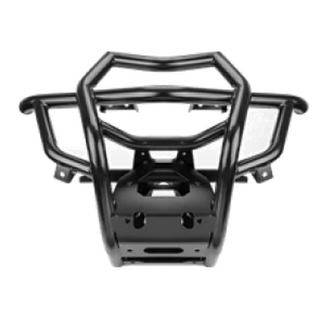
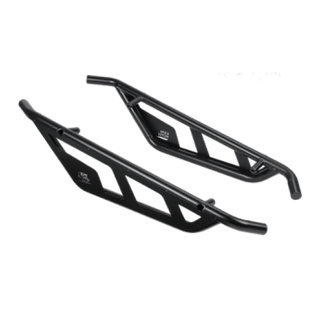
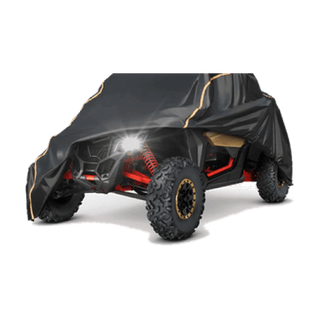
In this guide, we’ve got our eyes on the prize - we'll take a good, hard look at the issues that owners are up against, offer up some practical solutions to get you back on the trail ASAP, and show you which UTV accessories, including the most useful accessories for Polaris Ranger models, are truly worth the investment.
Engine & Fuel System Failures Affect The Performance
Most of the Ranger owners are very concerned about engine performance problems. When the engine doesn’t run properly, it usually stems from overheating and fuel delivery problems.
Engine Overheating
Polaris Rangers are often pushed to their limits in hot weather. Overheating can lead to warped cylinder heads or complete engine failure if not addressed quickly.
Why This Problem Appears:
The most common culprit is a radiator clogged with mud and seeds. Because the radiator is positioned at the front, it acts like a vacuum for trail debris. Another cause could be air pockets trapped in the cooling system.
How to Fix This Problem:
-
Radiator maintenance: Don't just spray the front of the radiator; spray from the back (fan side) out toward the front to push the mud out.
-
Burping the system: If you’ve recently changed your coolant, you may have an air bubble. Elevate the front of the vehicle and run the engine with the radiator cap off to allow the air to escape.
-
Check the fan: Ensure the cooling fan circuit breaker hasn't tripped or blown.
Fuel Pump Failure
Fuel pump failure is another issue commonly reported by Polaris Ranger owners. The fuel pump supplies fuel to the engine, and when it fails, the engine may sputter, stall, or fail to start.
Why This Problem Appears:
Fuel pumps can fail due to contaminated fuel, worn components, electrical issues, or running the tank too low too often.
How to Fix This Problem:
-
Check fuel pressure: Use a fuel pressure gauge to ensure the pump is delivering the correct pressure.
-
Inspect fuel lines and clamps: Loose hoses or damaged lines can reduce fuel flow.
-
Replace clogged filters: Dirty fuel filters restrict fuel delivery.
-
Replace the fuel pump if necessary: If the pump cannot maintain proper pressure, replacing it is usually the best solution.
Preventive tip: Avoid running the fuel tank below one-quarter full, since fuel helps cool the pump.
Transmission & Clutch Need to Be Paid Attention to
The Polaris Ranger uses a belt-driven CVT (continuously variable transmission). While this design offers smooth power delivery, it can also develop problems if components wear out.
Drive Belt Slippage and Failure
One of the most frequently reported Polaris Ranger problems involves the CVT belt. Owners face issues with the belt, such as a smell of burnt rubber, jerky movements, or no power being delivered to the wheels.
Why This Problem Appears:
The CVT belt is made of rubber and is prone to slippage when the driver is using the 'high gear' when they should be using 'low gear' or when water enters the clutch housing.
How to Fix This Problem:
-
Proper gear selection: To fix the problem, you should first ensure you are using the correct gear for your Polaris Ranger, i.e., low gear when driving under 15 MPH or when you are towing a load.
-
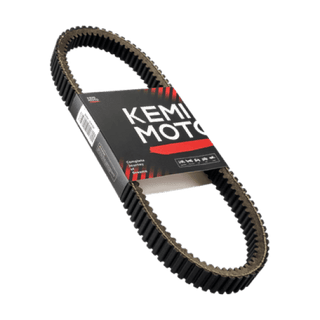
Belt inspection: You should also check the belt and replace it if it is damaged, if it is glazed, or cracked, and replace it with a new heavy-duty drive belt.
-
Cleaning: You should also clean the clutch dust with compressed air and remove the drain plug if water has entered the clutch housing.

Hard Shifting and Transmission Linkage Issues
Do you find it difficult to move the gear selector from Park to Drive, especially when parked on an incline? This is a common complaint among Ranger owners.
Why This Problem Appears:
This is often caused by the "parking pawl" getting bound up because the vehicle’s weight is resting on the transmission rather than the brakes. It can also be caused by a misaligned shift linkage or an idle speed that is set too high.
How to Fix This Problem:
-
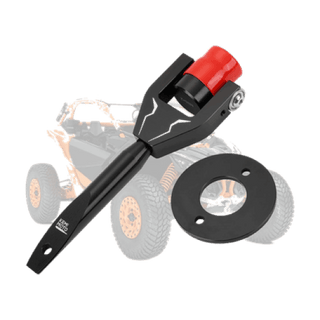
Parking brake: Install a high-quality parking brake. Engage the brake before shifting into "Park" to take the pressure off the transmission.

-
Linkage adjustment: Under the bed, you can find the shift cable. Loosening the jam nuts and adjusting the cable length can often smooth out the shifting process.
-
Check idle RPM: If your idle is too high (above 1250 RPM), the clutches won't disengage fully, making it nearly impossible to shift gears.
Electrical System Problems
Modern Polaris Rangers feature increasingly advanced electronics, including sensors, fuel injection, and digital displays. While these systems improve performance, they can also introduce new electrical challenges.
Why This Problem Appears:
- Corroded wiring or connectors causing grief: Years of battling mud, water, and salt can leave a nasty stain on a UTV's electrical components and trigger all sorts of random faults.
- When a sensor just gives up: UTVs are super reliant on sensors to keep the engine purring along, so when one goes pop, the whole system can start throwing up warning lights or behaving erratically.
- The wiring harness comes undone: All that off-road rumbling and shaking can work a wiring harness loose over time.
How to Fix This Problem:
-
Inspect fuses first: Blown fuses are the easiest fix.
-
Check wiring for damage: Off-road environments can cause wires to rub against metal parts.
-
Seal electrical connections: Use dielectric grease to protect connectors from moisture.
-
Prevention: Installing protective components like wiring covers or weatherproof switches can significantly reduce electrical problems.
Suspension and Steering Issues Can’t Be Ignored
Off-road vehicles take a lot of punishment from rough terrain, and the Polaris Ranger is no exception. Suspension components can wear out with heavy use.
Why This Problem Appears:
If you start to hear a nasty squeak or rattle coming from your suspension or feel like your Ranger isn't handling quite right - whether it's pulling to one side, eating through your tires unevenly, or making that annoying vibration when you turn the wheel - then you probably have a problem. This is most often caused by worn-out bushings, tie-rod ends, or rack-and-pinion bits and bobs.
How to Fix This Problem:
-
Take a good hard look at your suspension bushings: If they look worn out or cracked, they need replacing.
-
Give your ball joints and tie rods a once-over too: If they've come loose, then your steering's gonna be all over the shop.
-
Make sure your suspension components are getting the oil they need: A bit of lubrication goes a long way in keeping things quiet and happy.
-
Time to replace those worn-out shocks: Old shocks can kill your ride and the way your Ranger handles, so do it.
Installing Accessories for Better Ride Comfort
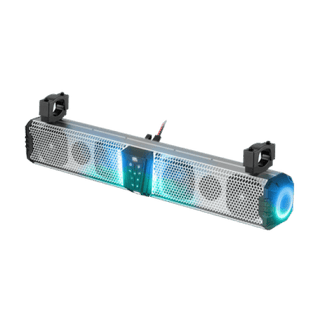
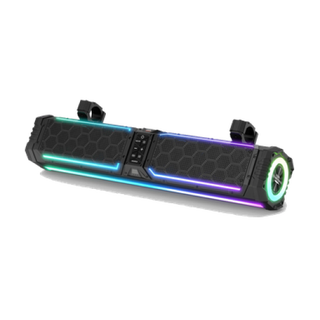
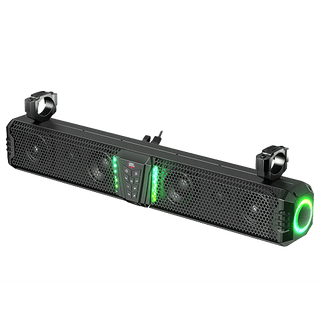
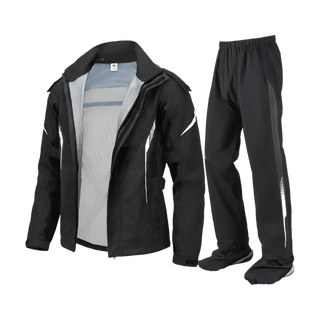
Identifying Polaris Ranger problems is only half the battle; the other half is optimizing the machine to fit your specific needs. The stock Ranger is a "blank canvas." To truly fix the common complaints regarding comfort, utility, and protection, you need the right gear.
Must-Have Accessories for Polaris Ranger
If you want to mitigate the problems mentioned above, consider these upgrades:
-
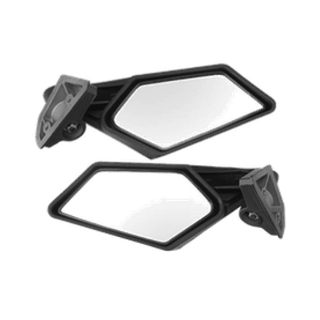
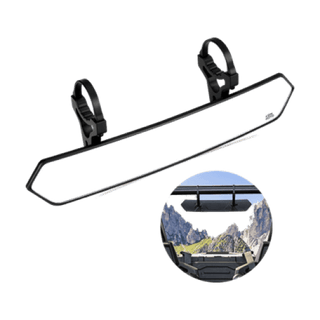
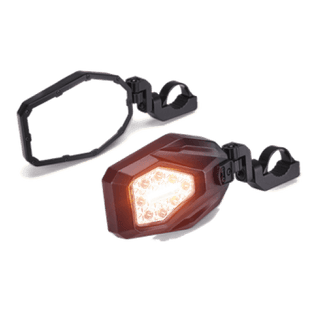
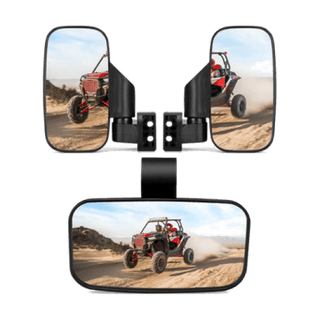
High-Quality Mirrors: Stock Rangers often lack adequate visibility. Adding Kemimoto Side and Rear View Mirrors helps with safety and navigation in tight spots.
-
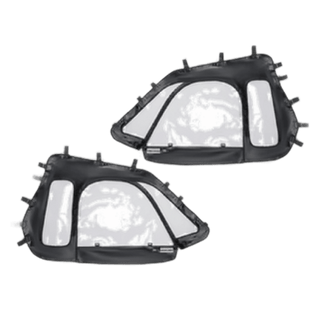
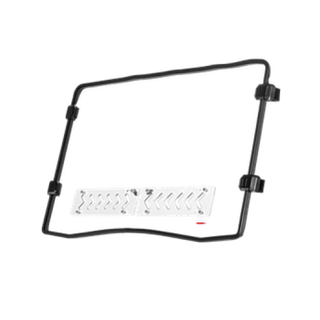
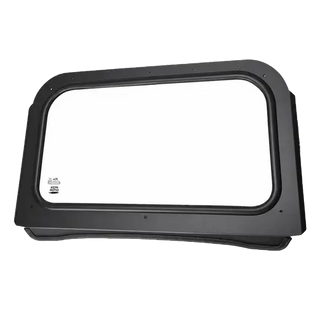
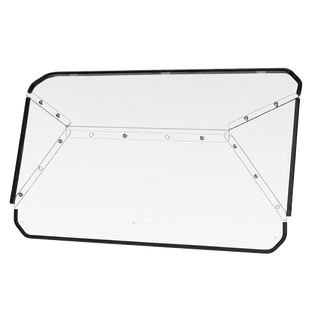
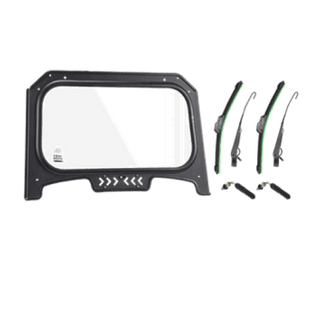
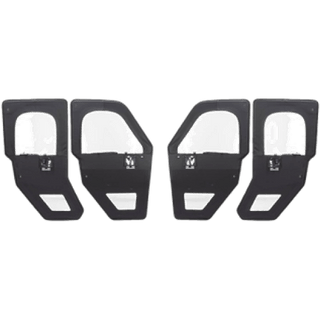
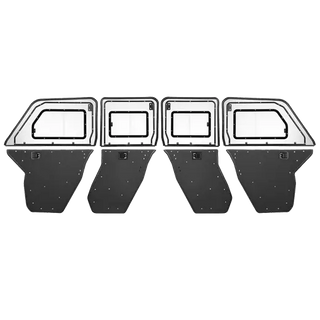
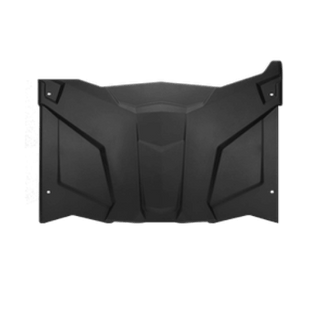
Windshields and Roofs: To solve the "weather and dust" problem, a durable polycarbonate windshield is essential.
-
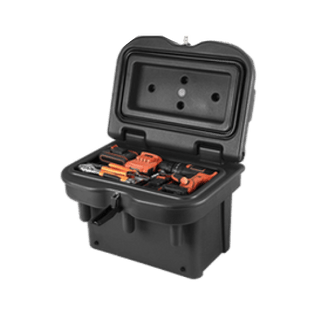
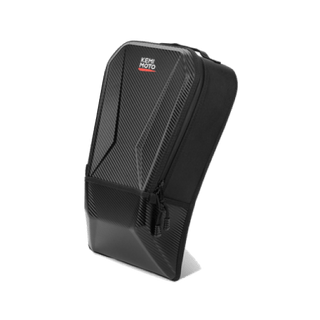
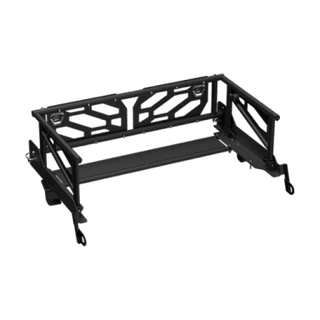
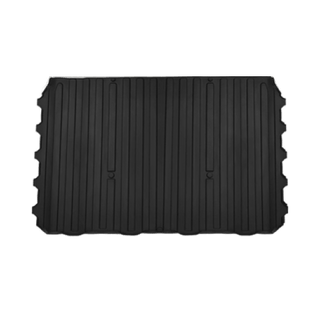
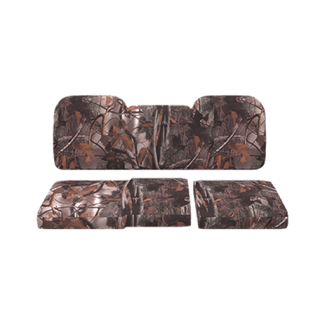
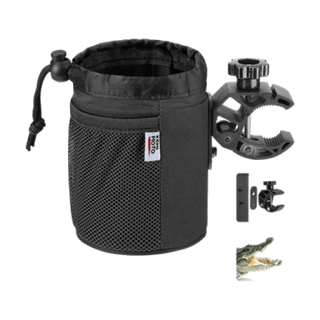
Storage Solutions: The Ranger has a great bed, but items often slide around. Under-seat storage bags and bed extenders help organize your tools, reducing the risk of loose items damaging the interior.
For a full selection of parts designed to fit your specific model year, check out Kemimoto’s Polaris Ranger Collection.
Conclusion
The Ranger is one heck of a machine - but let's face it, it needs a proactive owner, not just waiting for things to go wrong. If you get to know the Polaris Ranger common issues that can pop up – like belt slippage or cranking on the cab heat – you can often fix 'em yourself with a few simple tweaks and keep your UTV running like a dream
Just remember, it's way easier to prevent problems from happening in the first place. Want to save yourself a world of hassle? Add some fender flares to keep the dust out, slap on a parking brake to save your transmission, or treat yourself to some quality storage - upgrade by Kemimoto's accessories for that! - and you'll be golden.
Ready to take your ride to the next level? Why not check out Kemimoto accessories for Polaris Ranger today and pick out the best bits to turn your trusty Side-by-Side into a seriously customised trail rig?
More UTV guides are as follows:
- If you are a Can-Am Maverick X3 owner, see our Maverick X3 Common Problems guide!
- If you are a Polaris RZR owner, see our Polaris RZR Common Problems guide!
- If you are an electric UTV owner, please see our The Problem With Electric UTVs guide!


Leave a comment