

































































How to Wash Heated Gear: The Proper Way You Need to Know

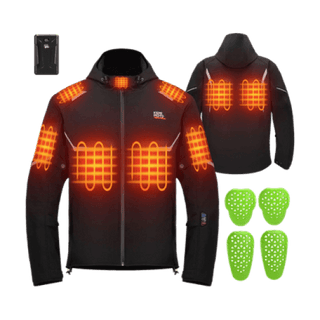
Heated gear has become a winter essential for riders, outdoor workers, commuters, and anyone who wants to stay warm without piling on bulky layers. Whether you’re cycling through icy wind, walking the dog on a frosty morning, or enjoying winter adventures outdoors, heated clothing delivers consistent warmth right where you need it. A quality heated vest, jacket, or pair of heated socks can keep you comfortable in freezing temperatures with just a few thin layers underneath.
But as convenient and powerful as heated gear is, there’s one common question nearly every user eventually faces: “Can heated gear be washed?”
The short answer is: Yes, you absolutely can wash heated gear.
However, heated apparel isn’t quite like regular clothing. Because it contains heating elements, thin wires, USB connectors, and removable batteries, it requires a bit more attention during cleaning to avoid damage and ensure long-term performance.
Cleaning Your Heated Gear: Step-by-Step
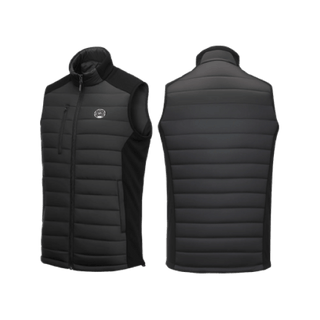
How to Wash Heated Vests, Jackets, and Pants

Follow these essential steps whether you’re cleaning a heated vest or jacket:
-
Power Down and Remove the Battery:
Turn off the garment, unplug, and remove the battery and any detachable controllers. Keep batteries and controllers away from water. This is the most important safety step. -
Tuck Connectors Away and Zip Pockets:
Put the connector cable back into its designated pocket as the manufacturer specifies. Zip up all pockets and secure any loose ends so wiring can’t snag or catch in the washing machine. -
Pre-Treat Stains Carefully:
For small stains, use a gentle spot cleaner or a dab of mild detergent on a soft cloth. Avoid aggressive scrubbing, which could stress the heating filaments. -
Choose Hand Wash or Machine Wash (Gentle):
Hand washing in cold water is the safest method. If you choose machine wash, place the garment in a mesh laundry bag, set the machine to a delicate/gentle cycle, and use cold water with a small amount of mild detergent. -
Rinse Thoroughly; Do Not Use Fabric Softener:
Fabric softener or bleach can degrade fabrics and the insulation around the heating parts — skip them entirely. -
Air Dry Only:
Lay the garment flat on a towel or hang it to dry away from direct heat or sunlight. Ensure it’s completely dry before reconnecting batteries. Do not tumble dry, iron, or dry clean.
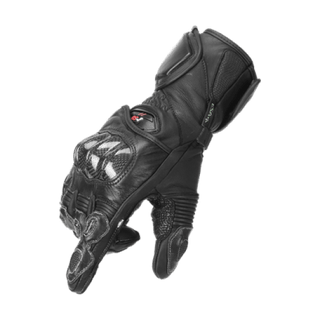
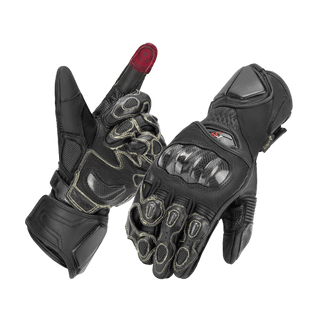
How to Wash Heated Socks and Gloves

Heated socks and gloves have delicate wiring and smaller battery packs. Follow these tips:
-
Remove the battery and controller: Small batteries are sensitive to water.
-
Turn inside out (if recommended) and place in a mesh bag: This protects the exterior and interior wiring.
-
Hand wash when possible: Hand washing keeps agitation minimal and is highly recommended.
-
Dry flat: Avoid wringing the gear; gently squeeze water out and reshape before laying flat to dry.
Common Mistakes to Avoid
Remembering these five rules will save your gear:
-
Never leave the battery in the pocket while washing.
-
Never tumble dry or iron. Heat can melt adhesives and damage heating filaments.
-
Never use bleach or fabric softener; they degrade the fabric and insulation.
-
Never wring or twist the garment; this can stretch or snap internal heating wires.
-
Always air dry only.
Troubleshooting after washing
If your heated garment doesn’t warm up after cleaning:
-
Check the battery: Ensure the battery is charged and the connection is secure.
-
Inspect connectors: Look for corrosion or debris; clean and dry gently if needed.
-
Examine seams and wiring: If you see exposed wires or burnt spots, stop using the garment and contact the manufacturer.
-
Refer to the manual and warranty: If your heated gear no longer works, brands like Kemimoto will often offer limited warranty support for electrical faults.
Storage Tips
-
Store only when the garment is completely dry to avoid mildew and corrosion.
-
Remove batteries for long-term storage and keep them in a cool, dry place at a partial charge.
-
Fold or hang gently; avoid folding and bending heating panels.
-
Store in a breathable bag, not a sealed plastic bag.
Final Thoughts
Washing heated gear doesn’t have to be complicated. With a little extra care—removing the battery, securing connectors, choosing gentle washing methods, and always air-drying—you can keep your heated vest, jacket, socks, and gloves clean without compromising their performance. Proper maintenance not only protects the heating elements and fabric but also extends the overall lifespan of your gear, ensuring you stay warm and comfortable season after season. Treat your gear right, follow the manufacturer’s instructions, and enjoy reliable heat whenever you need it most.
If you’re unsure about a specific model, consult the product manual or the Kemimoto product page for exact care instructions before washing. Stay warm, wash smart, and enjoy winter the right way. Use the limited-time discount code "KMSEO" to enjoy an extra 16% off sitewide.
FAQ
Q1: Can you wash heated socks?
A: Yes, but remove the battery first. Hand washing is the safest way to clean. If you use a machine, place the socks in a mesh laundry bag, wash on a cold, gentle cycle with mild detergent, and air dry flat.
Q2: How to wash a heated vest without damaging the wiring?
A: Remove the battery, tuck the connector away, put the vest in a mesh laundry bag, wash on a cold, gentle cycle (or hand-wash), and air dry. Always follow the care tag instructions.
Q3: Will washing my heated jacket ruin it?
A: Same as for a heated vest: remove power, secure connectors, use cold water and mild detergent, choose hand wash or delicate machine cycle, and air dry. Check the Kemimoto’s product page for model-specific directions.
Q4: Can you put a heated jacket in the dryer?
A: No. Tumble drying or ironing risks melting adhesives and damaging heating elements. High heat can melt insulation, warp heating wires, and weaken adhesives. Always air dry.
Q5: Can heated motorcycle gear be used in rainy or wet conditions?
A: Many heated gear items are water-resistant or waterproof, but always check the product's specific specifications. Properly designed heated gear from trusted brands like Kemimoto offers weather protection for safe use in light rain or snow.


Leave a comment