





























KEMIMOTO vs SuperATV Windshields: Which UTV Windshield Is Right for Your Ride?

If you have spent any time shopping for a UTV windshield, you have likely come across both KEMIMOTO and SuperATV. Both brands are well known in the UTV aftermarket space, and both offer a wide range of windshield styles across different vehicle brands. But their products are not identical, and the right choice depends on what you actually need from a windshield, not just which name you recognize.
This guide breaks the comparison down by product type rather than making a blanket claim about which brand is "better." Flip-up windshields and rear windshields are compared separately, since the features that matter most differ between the two categories.
Here is what this guide covers:
-
What to expect from a KEMIMOTO windshield in terms of material and design
-
What to expect from a SuperATV windshield based on its published product features
-
A direct comparison of flip-up windshields from both brands
-
A direct comparison of rear windshields from both brands
-
How the two brands compare on material quality, installation, and overall fitment
-
Guidance on which option fits different riding priorities
What to Expect from a KEMIMOTO UTV Windshield
A KEMIMOTO windshield typically falls into one of two material categories: polycarbonate with a hard coating, or laminated glass, depending on the specific product line.
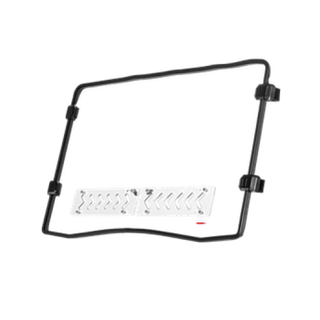
KEMIMOTO's polycarbonate windshields are commonly built from 1/4-inch thick material with a hard-coated finish for added scratch resistance and UV protection. Some models also use adjustable designs that let riders switch between closed, vented, and fully open positions, which is useful for changing weather or trail conditions. On the glass side, certain KEMIMOTO products use laminated safety glass set into a reinforced frame, offering a different balance of clarity and scratch resistance compared to polycarbonate.
Installation across the KEMIMOTO lineup generally relies on clamp-on hardware or mounting brackets designed to fit specific vehicle makes and models. A KEMIMOTO UTV windshield lineup covers a wide range of brands, including Can-Am, Polaris, CFMOTO, Kawasaki, and Honda, with separate fitment for different model years within each brand.

What to Expect from a SuperATV Windshield
A SuperATV windshield is built primarily around polycarbonate construction, consistently described across their product lines as 1/4-inch thick material.
SuperATV applies a proprietary finish they call XR Optic Hard Coating to both sides of most of their windshields, which they state improves scratch resistance and UV resistance. Many SuperATV flip windshields use gas struts to hold the panel in an open position without bouncing or closing unexpectedly, along with a full-length foam gasket and bulb seal to reduce air leaks and rattling. SuperATV windshields are also commonly shipped preassembled, which is intended to simplify installation.
Like KEMIMOTO, SuperATV covers a wide range of vehicle brands, including Polaris, Can-Am, Honda, and Kawasaki, with windshields built to match specific model fitments rather than a single universal design.
Flip Up Windshields: KEMIMOTO vs SuperATV Flip Up Windshield
Flip-up windshields are one of the more popular styles for riders who want flexibility between full coverage and open airflow, and both brands take a similar overall approach with some differences in execution.
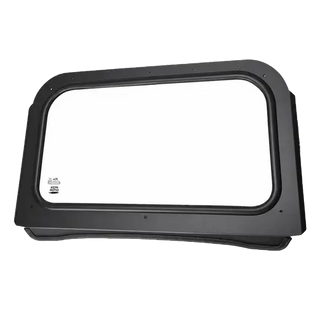
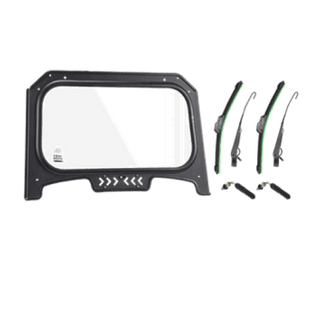
KEMIMOTO's flip windshields, such as the Upgraded Scratch Resistant Flip Windshield for Can-Am Maverick X3 / X3 MAX, use 1/4-inch polycarbonate combined with scratch and UV resistance to hold up over repeated use. This model offers an adjustable open and close design, so riders can switch coverage based on changing trail or weather conditions, and it is built to work with most soft or hard top setups for added flexibility across different cab configurations.
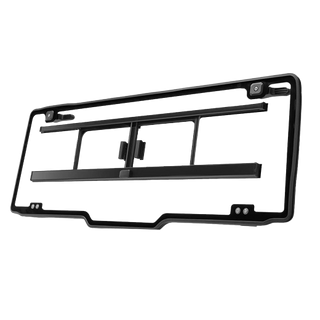
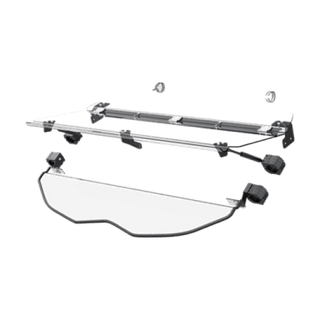
A SuperATV flip-up windshield follows a similar 3-in-1 open, vented, or closed concept, but adds a few specific hardware details. SuperATV's flip windshields use gas struts to keep the panel in position without drifting or bouncing on rough trails, along with a full-length foam gasket and bulb seal around the edges to reduce air and dust leaks when closed. SuperATV also ships these windshields preassembled, which can reduce the number of steps during installation.
Here is a side-by-side comparison of the core features:
|
Feature |
KEMIMOTO Flip Windshield |
SuperATV Flip Up Windshield |
|
Material |
1/4" polycarbonate |
1/4" polycarbonate |
|
Coating |
Scratch- and UV-resistant hard coating |
XR Optic Hard Coating (both sides) |
|
Positions |
Open and close, adjustable by trail/weather |
Closed, vented, fully open |
|
Hold-open mechanism |
Mounting hardware dependent on model |
Gas struts |
|
Sealing |
Rubber seal along contour |
Full-length foam gasket and bulb seal |
|
Compatibility |
Works with most soft or hard tops |
Comes preassembled |
Both brands land on a similar core material. The practical difference shows up in the hardware details, gas struts, and a dedicated bulb seal on the SuperATV side versus soft/hard top flexibility on the KEMIMOTO side, which may matter more depending on your existing cab setup.
Rear Windshields: KEMIMOTO vs SuperATV Rear Windshield
A rear windshield plays a different role than a front one, mainly reducing the suction effect that pulls dust into the cab when only a front windshield is installed.
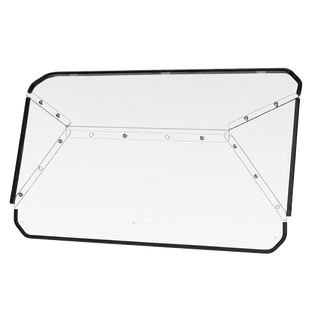
KEMIMOTO's rear windshields, such as the Upgraded Rear Tinted Windshield for Can-Am Maverick X3 / X3 MAX, use 1/4-inch polycarbonate rated at roughly 250 times the strength of glass for resistance to cracking or breaking. This model's tinted design combines dust reduction, noise control, and UV protection in a single panel, and its enhanced sealing helps keep the rear cab area better protected from wind and trail debris.
A SuperATV rear windshield uses the same core 1/4-inch polycarbonate approach, with the option of a scratch-resistant XR Optic coating on certain models. SuperATV markets its rear windshields specifically around eliminating the suction effect caused by a front windshield alone, and offers both tinted and clear finishes depending on the model. Installation hardware and instructions are included, and most models ship preassembled.
A few practical differences stand out when comparing the two:
-
KEMIMOTO's tinted rear windshields combine dust, noise, and UV protection directly into their standard tinted option.
-
SuperATV offers scratch-resistant coating as a distinct upgrade option on some rear windshield listings, separate from their standard polycarbonate version.
-
Both brands confirm that a rear windshield is most effective when paired with a front windshield, rather than used on its own.
Material and Build Quality: Comparing the Two Brands
Stepping back from individual product categories, both brands rely on a similar core material strategy, but apply it with slightly different emphasis.
Both KEMIMOTO and SuperATV consistently use 1/4-inch polycarbonate as their standard windshield material, which is a reasonable baseline thickness for impact resistance in off-road use. Where the brands diverge is in coating language and sealing hardware. SuperATV markets a single named coating system, XR Optic Hard Coating, applied consistently across most of their polycarbonate windshields, paired with specific hardware like gas struts and bulb seals on flip models. KEMIMOTO's coating and sealing approach varies more by product line, with some models emphasizing hard-coated scratch resistance and others built around laminated glass construction with a reinforced frame instead of polycarbonate entirely.
Neither approach is inherently superior. A single, consistently branded coating system can make it easier to know what you are getting across a product line, while a broader mix of materials gives riders more options depending on whether they prioritize impact resistance or long-term clarity.
Fitment, Installation, and Ease of Use
For most buyers, how easy a windshield is to install matters just as much as the material it is made from, since a frustrating install can sour an otherwise good product.
Both brands rely on clamp-on or bracket-based mounting systems designed for specific vehicle makes, models, and often specific model years, rather than a single universal fit. This means fitment accuracy depends on correctly identifying your exact vehicle configuration before ordering, regardless of which brand you choose.
SuperATV's windshields are frequently shipped preassembled, which can reduce the number of individual steps during installation, since less on-site assembly is required before mounting. KEMIMOTO's installation process varies more by product, with some models requiring assembly of mounting hardware before the panel is clamped into place. Neither brand's windshields typically require drilling into the roll cage, since both rely on clamp- or strap-based mounting systems instead.

Which UTV Windshield Is Right for Your Ride?
Rather than declaring one brand universally better, the right choice comes down to matching the product to your specific riding priorities.
If you want a flip windshield with reinforced hardware specifically designed to reduce rattle and hold its position on rough trails, SuperATV's gas strut and bulb seal combination is worth prioritizing. If you want a broader range of material options, including laminated glass windshields with sliding vents in addition to polycarbonate, KEMIMOTO's lineup offers more variety across front, rear, and flip styles within a single brand. If your main concern is a rear windshield that combines tint, noise reduction, and UV protection in one panel without needing to select separate upgrade options, KEMIMOTO's tinted rear windshields are built around that combination directly, while SuperATV offers similar protection but often splits scratch-resistant coating out as a separate choice.
Fitment accuracy matters more than brand preference in the end. Whichever brand you lean toward, confirming your exact vehicle year and model configuration before ordering will affect your results more than any single feature comparison.
Final Thoughts
Both KEMIMOTO and SuperATV build solid polycarbonate windshields with comparable core materials, and the differences between them come down to specific hardware choices, coating branding, and how broad each product line is across styles like flip, full, and rear windshields. SuperATV leans into a consistent, named coating and hardware system across its flip windshields, while KEMIMOTO offers a wider spread of materials, including laminated glass options, across its overall windshield lineup.
Neither brand is the obvious winner in every category. The better choice depends on whether you value a tightly branded hardware system, a broader range of material options, or a specific feature combination like a tinted rear windshield that handles dust, noise, and UV protection together.
If you are leaning toward the wider material selection and multi-brand fitment that KEMIMOTO offers, a good next step is checking what's available for your specific vehicle at kemimoto.com. From there, the UTV windshield collection breaks down every style covered in this guide- flip, full, and rear- so you can narrow things down by your exact make and model.
FAQs: KEMIMOTO vs SuperATV Windshields
Is KEMIMOTO or SuperATV more durable?
Both brands use a similar 1/4-inch polycarbonate base material rated at a comparable strength level. Durability in practice depends more on the specific coating, sealing hardware, and how well the windshield is installed than on brand alone.
Is there a big price difference between the two brands?
Pricing varies by specific model and vehicle fitment rather than by brand across the board, so it is worth comparing individual product listings for your exact vehicle rather than assuming one brand is consistently cheaper or more expensive.
Is a SuperATV flip windshield harder to install than a KEMIMOTO flip windshield?
Installation difficulty is generally similar, since both use clamp-based mounting without drilling. SuperATV windshields often ship preassembled, which can reduce a few assembly steps, while some KEMIMOTO models may require minor hardware assembly before mounting.
Which brand covers more vehicle models?
Both brands offer windshields across a wide range of UTV brands, including Polaris, Can-Am, Honda, CFMOTO, and Kawasaki. Exact model and year coverage varies by specific product, so checking fitment details for your vehicle is the most reliable way to compare coverage.


Leave a comment