




























The Ultimate Guide to UTV Windshields: Types, Materials & How to Choose

A UTV windshield does more than block wind. It changes how much dust, rain, and trail debris reach the cabin, how much airflow you get on a hot day, and how clearly you can see the trail ahead. Different windshields handle these jobs very differently. A full windshield seals off the front of the cabin, a half windshield leaves more room for air to move, and a folding windshield lets you switch between the two depending on conditions. The material matters too, since polycarbonate and glass perform differently when it comes to weight, impact resistance, and scratch resistance.
Choosing the right UTV windshield means thinking about more than looks. Fitment, visibility, weather protection, and long term maintenance all play a role in whether a side by side windshield actually works well for how you ride.
Here is what this guide covers:
-
Why a UTV windshield matters and how coverage affects your ride
-
The different types of windshields, including full, half, and folding styles
-
What UTV windshields are made of, and how polycarbonate compares to glass
-
How to choose the best UTV windshield based on fitment, coverage, and material
-
Specific options to match different riding needs
-
How to clean and maintain your windshield once it is installed
Why Do You Need a UTV Windshield?
Before comparing styles and materials, it helps to understand what a UTV windshield is actually protecting you from, and how that protection changes depending on where and how you ride.
Protection From Wind, Dust, Rain, and Trail Debris
Riding without any front coverage exposes you directly to wind, dust, rain, mud, and airborne debris kicked up from the trail ahead. In cold weather, this exposure can make even a short ride uncomfortable, since wind chill hits much harder at UTV speeds than it would standing still. A windshield acts as a barrier between you and these conditions, redirecting wind and catching debris before it reaches the cabin.
Better Comfort in Different Riding Conditions
The value of a windshield shows up most clearly in specific situations. Cold weather riding becomes more bearable with a barrier blocking direct wind exposure. Dusty trails are easier to tolerate when a windshield keeps fine dirt from blowing directly into your face. Rainy rides stay more comfortable when water is deflected rather than hitting you head on, and long distance trail riding puts less strain on your eyes and skin when there is a shield in front of you for hours at a time.
How Windshield Coverage Affects the Ride
Not every rider needs the same amount of coverage, and more coverage is not automatically better for every situation. A full windshield offers the most complete protection, which is ideal for cold, wet, or dusty conditions. A half windshield leaves more open space, which improves airflow on warm days. A folding windshield gives you the option to switch between more coverage and more airflow depending on how conditions change throughout a ride. This tradeoff between protection and airflow is the main reason UTV windshields come in different styles, which we will break down next.
Different Types of UTV Windshields
Each windshield style is built around a different balance of coverage, airflow, and flexibility. Understanding these differences makes it much easier to figure out which type actually fits your riding style.
UTV Full Windshield
A utv full windshield covers the entire front of the cabin, offering the most complete protection against wind, rain, dust, and trail debris. This makes it a strong choice for cold weather riding, wet conditions, and dusty trails where you want to minimize direct exposure. The tradeoff is that a full windshield reduces natural airflow into the cabin, which can make hot weather rides feel warmer than they would with more open front coverage. A full windshield works best for riders who prioritize weather protection over ventilation, especially during colder months or on routes with heavy dust and debris.
Half Windshield for Side by Side
A half windshield for side by side vehicles covers only the lower portion of the front opening, which reduces direct wind and debris exposure at lower body height while leaving more open space above. This design allows significantly more airflow through the cabin, making it a better fit for warm weather riding and dusty trails where you still want some protection without fully sealing off the front. Riders who do not need complete enclosure, and who value airflow over maximum coverage, tend to prefer this style.
Here is a quick comparison of how full and half windshields differ in practice:
|
Type |
Protection |
Airflow |
Best Suited For |
|
Full |
High |
Lower |
Cold weather, rain, dust |
|
Half |
Moderate |
Higher |
Warm weather, airflow |
|
Folding |
Adjustable |
Adjustable |
Changing conditions |
Folding Windshield for UTV
A folding windshield for utv models offers the most flexibility of the three styles, since it can switch between full coverage, a partially open position, and a fully open position depending on current conditions. This adjustability is useful when weather or trail conditions change during a single ride, letting you close the windshield for a dusty stretch and open it again when you want more airflow. If your riding environment varies a lot, from cold mornings to warmer afternoons, or from paved roads to dusty trails, a folding design gives you more control than a fixed windshield can offer.

What Are UTV Windshields Made Of?
Material choice affects weight, durability, and how a windshield holds up to years of trail use. The two most common materials are polycarbonate and glass, and each comes with its own strengths.
Polycarbonate Windshield
A polycarbonate windshield is typically lightweight and offers strong impact resistance, which makes it a practical option for off road use where rocks, branches, and other trail debris can strike the surface. Many polycarbonate windshields use a hard coated finish to improve scratch resistance, since uncoated polycarbonate can scratch more easily than glass over time. Optical clarity on a quality polycarbonate windshield remains strong, so visibility is not usually a concern. Polycarbonate is often a practical choice for riders who prioritize impact resistance and lower weight over other factors.
Glass UTV Windshield
A glass utv windshield generally offers excellent clarity and strong scratch resistance compared to polycarbonate, since glass does not scratch as easily under normal use. The tradeoff is added weight, since glass windshields are heavier than polycarbonate ones of similar size. Glass windshields are also commonly paired with wiper systems, since their rigidity and surface properties work well with wiper hardware. This combination makes glass a strong option for riders who want the clearest possible visibility and plan to ride in conditions where wipers are useful, such as rain or muddy trails.
Polycarbonate vs. Glass: Which Is Better?
Neither material is universally better, since the right choice depends on what you value most in a windshield. The table below summarizes the main tradeoffs.
|
Factor |
Polycarbonate |
Glass |
|
Weight |
Lighter |
Heavier |
|
Impact resistance |
High |
Lower under direct impact |
|
Scratch resistance |
Depends on coating |
Generally high |
|
Visibility |
Clear |
Excellent |
|
Off road debris |
Strong choice |
Suitable with proper design |
|
Wiper compatibility |
Model dependent |
Common on glass models |
The better material depends on riding conditions, durability requirements, visibility preferences, and vehicle setup, rather than one option being objectively superior in every case.
How to Choose the Best UTV Windshield for Your Ride
Picking the best utv windshield involves more than comparing styles and materials in isolation. A few practical factors determine whether a specific windshield will actually work well on your vehicle.
Start With Vehicle Fitment
The most common mistake when buying a windshield is not choosing the wrong material or style, but choosing one that does not actually fit the vehicle. Frame structure, installation points, and windshield dimensions can vary significantly between makes, models, and even model years. Before buying, confirm your vehicle's make, model, year, and trim or configuration, along with the installation points and frame dimensions required for a proper fit. Never choose a UTV windshield based on appearance alone, since a windshield that looks right in a photo may not match your specific setup.
Choose the Right Coverage
Once fitment is confirmed, coverage becomes the next decision. This comes down to matching your riding preference to the right type.
|
Riding Preference |
Recommended Type |
|
Maximum weather protection |
Full |
|
More airflow |
Half |
|
Changing weather conditions |
Folding |
Consider Material and Durability
With coverage decided, material becomes the next factor. Polycarbonate offers a lighter, impact resistant option well suited to rough trail use, while glass offers stronger scratch resistance and clarity at the cost of additional weight. Your choice here should reflect how much impact resistance versus surface durability matters for your typical riding conditions.
Consider Visibility and Ventilation
Beyond the basic type and material, additional features can further refine your choice. A clear windshield maximizes visibility, while a vented windshield or one with sliding vents allows some airflow without fully opening the front. Flip up designs combine the adjustability of a folding windshield with the option for full closure when needed. These features let you fine tune the balance between visibility, airflow, and protection beyond what the basic type alone provides.

KEMIMOTO UTV Windshield Options for Different Riding Needs
With the selection criteria covered, it helps to see how these factors apply to actual products. KEMIMOTO's windshield lineup includes PC front windshields, glass front windshields, flip windshields, half windshields, and windshields with wipers, covering the range of needs discussed above.
For Maximum Protection
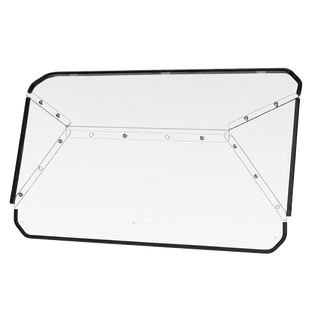
Riders who prioritize wind, dust, rain, and cold weather protection are generally better served by a full polycarbonate windshield. The KEMIMOTO Full Windshield for Can-Am Maverick X3 / X3 MAX is built from 1/4-inch hard-coated polycarbonate and provides full front coverage for both driver and passenger, helping block dust and trail debris across dry, wet, muddy, and cold conditions.
For Adjustable Airflow
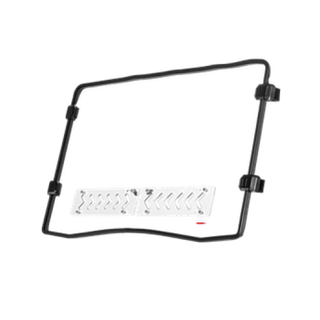
Riders who want to switch between more coverage and more airflow depending on conditions are better matched with a flip or folding windshield. The KEMIMOTO 3-in-1 Folding Half Flip Windshield for CFMOTO ZForce 950 switches between open, vented, and closed positions, and is made from scratch-resistant polycarbonate with 93% light transmission for clear visibility.
For Clear Visibility and Wiper Compatibility
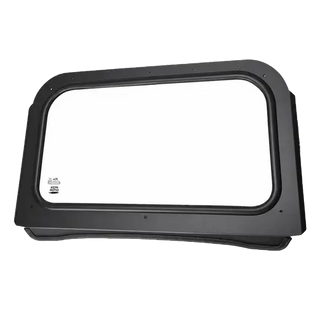
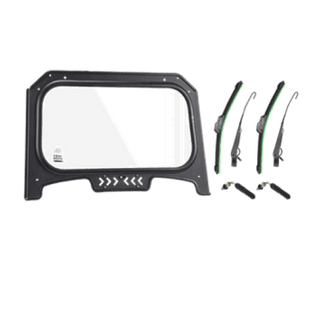
Riders who want the clearest possible visibility, along with the option to clear rain or mud mid-ride, are better served by a glass windshield with wipers. The KEMIMOTO UTV Glass Windshield with Wiper for CFMOTO ZForce 950 / ZForce 800 uses DOT-approved 8mm laminated safety glass in a reinforced aluminum frame, with a center wiper that clears over 90% of the surface and a built-in vent for adjustable airflow.
How to Clean and Maintain a UTV Windshield
Keeping a windshield clean and well maintained extends its lifespan and keeps visibility sharp over time. A few simple habits make a real difference.
-
Rinse off loose dirt and debris with water before wiping, since dry wiping can grind grit into the surface and cause scratches.
-
Use a soft microfiber cloth rather than paper towels or abrasive materials, which can dull the surface finish over time.
-
Avoid harsh chemical cleaners, especially ammonia-based glass cleaners on polycarbonate windshields, since certain chemicals can damage the coating.
-
Check mounting hardware periodically for looseness, since vibration from regular riding can gradually shift fasteners over time.
-
Inspect seals and edges for wear, particularly after rough trail use, to catch early signs of damage before they become bigger problems.
Final Thoughts
Choosing the right UTV windshield comes down to a clear decision process. Start by confirming fitment for your specific vehicle, then choose the coverage level that matches your riding conditions, followed by the material that fits your durability and weight preferences, and finally consider ventilation and visibility features based on how and where you ride.
A full windshield offers the most complete protection, a half windshield prioritizes airflow, and a folding windshield offers versatility for changing conditions. Polycarbonate brings a lighter, impact resistant option, while glass offers clarity and scratch resistance at added weight. None of these choices is universally correct, since the best fit depends entirely on your specific vehicle and how you ride.
Explore KEMIMOTO's UTV windshield collection or browse the full range of accessories at kemimoto.com to find a windshield that matches your vehicle and riding needs.
FAQs
What is the difference between a full and half windshield for side by side vehicles?
A full windshield covers the entire front opening for maximum protection, while a half windshield covers only the lower portion, leaving more room for airflow. Full windshields suit cold or wet conditions, while half windshields work better in warm weather.
Is polycarbonate or glass better for a UTV windshield?
Neither material is universally better. Polycarbonate is lighter and more impact resistant, making it practical for rough trail use, while glass offers stronger scratch resistance and clarity, along with better compatibility with wiper systems.
Can I install any UTV windshield on my vehicle?
No. Windshields are designed to match specific makes, models, and sometimes specific trims or model years, since frame structure and installation points vary. Always confirm fitment details before purchasing rather than choosing based on appearance alone.
Do folding windshields work well in all weather conditions?
Folding windshields are designed specifically for changing conditions, since they can switch between full coverage and a more open position. This makes them a flexible option for rides that move between different weather or trail conditions.
How often should I clean my UTV windshield?
Cleaning frequency depends on how often you ride and the conditions you ride in. Riders who frequently encounter mud, dust, or rain should clean their windshield after most rides, while less frequent riders can clean on an as-needed basis to maintain visibility and prevent buildup.


Leave a comment