




























What Makes a UTV Windshield Durable

Durability is not a single number printed on a product page. A UTV windshield that holds up for years is the result of several things working together: the base material, the coating or lamination process, how the panel is mounted and sealed, and the manufacturing standards behind the brand that built it. Looking at just one of these factors, like material thickness alone, only tells part of the story.
This matters because a UTV windshield takes a lot of punishment. Dust, flying debris, sudden temperature swings, and constant UV exposure all add up over time. Understanding what actually contributes to long-term durability helps you judge a product by substance rather than by a label that simply says "durable."
Here is what this guide covers:
-
How polycarbonate and laminated glass windshields compare in impact resistance, scratch resistance, and aging
-
What hard coating actually does to protect a polycarbonate windshield from scratches and UV damage
-
What gives laminated glass its strength and stability
-
How to judge whether a brand actually builds for durability, not just markets it
-
How weather exposure wears down windshields over time
-
Simple habits that help any windshield last longer
Polycarbonate UTV Windshield vs. Laminated Glass Windshield
Choosing between a polycarbonate UTV windshield and a laminated glass windshield is one of the first decisions that affects long-term durability, and neither material is strictly better in every situation.
Polycarbonate holds up well against sudden impact. Rocks, branches, and other trail debris are more likely to bounce off a polycarbonate panel than crack it, which is why it's a common choice for rough, debris-heavy trails. Its main weakness is surface wear. Without a protective coating, polycarbonate scratches more easily than glass, and scratches that build up over seasons can start to affect visibility.
Laminated glass takes the opposite trade-off. It resists scratching far better than uncoated or lightly coated polycarbonate, and it tends to stay clearer over the long run since its surface does not degrade the same way under UV exposure. What it gives up is some impact resistance. A sharp direct hit is more likely to damage a glass panel than a polycarbonate one, though lamination significantly reduces this risk compared to standard glass.
Here is a simple side-by-side look at how the two compare:
|
Factor |
Polycarbonate |
Laminated Glass |
|
Impact resistance |
High |
Moderate to high |
|
Scratch resistance |
Depends on coating |
Generally strong |
|
UV aging |
Can yellow without coating |
More resistant |
|
Weight |
Lighter |
Heavier |
|
Typical use case |
Rough trail debris |
Long-term clarity and wiper use |
Neither option wins outright. The better choice depends on what kind of wear your riding puts on the windshield most often: sudden impacts or everyday surface exposure.
How a Hard Coated UTV Windshield Resists Scratches and UV Damage
A hard-coated UTV windshield is not a different material from standard polycarbonate. It is the same polycarbonate panel with an added protective layer bonded to the surface, and that layer is doing more work than people usually realize.
The hard coating acts as a sacrificial barrier. Fine dust, grit, and repeated wiping are what cause most of the surface wear on a windshield over time, and the coating absorbs that abrasion instead of the polycarbonate underneath. Without it, polycarbonate scratches relatively easily, which gradually clouds visibility even if the panel itself is still structurally sound.
The coating also plays a role in slowing UV-related aging. Polycarbonate exposed to constant sunlight without protection can start to yellow and become more brittle over time. A hard coating reduces how much UV reaches the base material, which helps the windshield keep its clarity and resist unnecessary aging longer than an uncoated panel would.
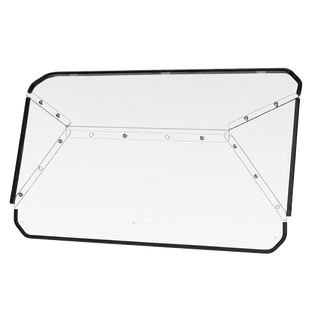
This is the reasoning behind products like the KEMIMOTO Rear Windshield for Polaris Ranger, which uses a hard-coated, scratch-resistant polycarbonate panel rated to block 99% of UV light. That level of UV resistance directly targets the kind of long-term material fatigue that shortens a windshield's usable life.
What Gives a Laminated Glass Windshield Its Strength
Laminated glass gets its strength from how it is built, not just from being glass. A laminated glass windshield is made of multiple layers bonded together, which changes how the material behaves under stress compared to a single sheet of standard glass.
This layered structure is what allows laminated glass to meet DOT safety standards used in automotive and powersports applications. Instead of shattering into sharp pieces on impact, laminated glass tends to hold together, which adds a meaningful safety margin on top of its day-to-day durability.
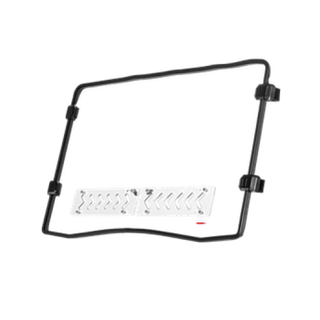
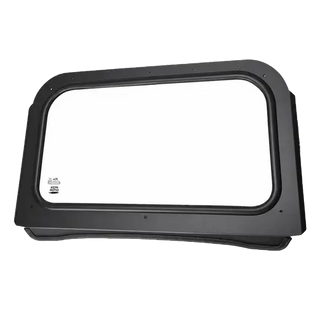
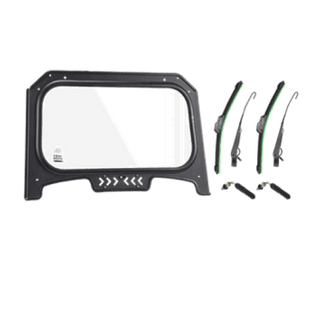
The frame the glass sits in matters just as much as the glass itself. A metal frame provides a rigid, stable mounting point that keeps the panel properly seated and reduces the flexing that can stress glass edges over time. The KEMIMOTO Glass Windshield with Sliding Vents for Can-Am Maverick X3 illustrates this combination well. It uses 8mm thick laminated safety glass set into a steel metal frame, which gives it greater scratch resistance than polycarbonate while keeping the panel securely supported. Its dual manual wipers, which cover more than 90% of the windshield, also depend on that rigid mounting to function smoothly over repeated use.

What Sets the Most Durable UTV Windshield Brands Apart
Marketing language like "heavy duty" or "premium" does not tell you much on its own. Figuring out which of the most durable UTV windshield brands actually build for longevity means looking at a few concrete details instead.
A few practical signs to check:
-
Material thickness is stated clearly. Brands confident in their build quality usually list exact thickness, such as 1/4-inch polycarbonate or 8mm laminated glass, rather than vague descriptions.
-
Frame and mounting design is reinforced, not just functional. A metal-reinforced frame or pre-installed sealing trim suggests the brand has thought about long-term stability, not just getting the panel to fit.
-
Installation avoids unnecessary stress points. No-drill or tool-free installation methods reduce the risk of introducing weak points into the frame during setup, which can shorten a windshield's lifespan before it even sees trail use.
-
Fitment is precise across model years. A brand that engineers separate, accurate fitment for different model years and configurations, rather than offering a loose universal fit, is generally paying closer attention to structural quality.
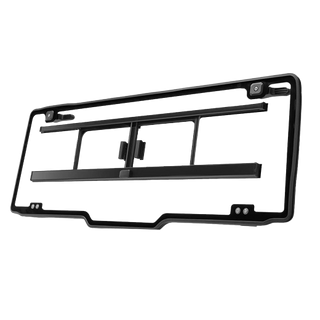
The KEMIMOTO 3-in-1 Flip Windshield for Polaris Ranger XP 1000 reflects several of these standards directly. It uses 1/5-inch double-sided hardened polycarbonate reinforced with a metal frame, comes with pre-installed rubber trims that remove the guesswork from sealing, and is engineered for precise fitment across a wide range of Ranger model years. These details matter more for long-term durability than any single marketing claim.

How Weather Exposure Affects UTV Windshield Lifespan
Even the best-built windshield wears down eventually, and weather exposure is the main reason why. Durability is not just about surviving one hard impact. It is about how the material holds up against constant, repeated environmental stress.
UV exposure is the biggest long-term factor. Day after day of direct sunlight gradually breaks down unprotected polycarbonate, leading to yellowing and increased brittleness, which is exactly what hard coatings and UV-resistant treatments are designed to slow down.
Temperature swings add a different kind of stress. Repeated cycles of heat and cold cause materials to expand and contract slightly, and over time this can loosen seals or stress mounting points if the frame design is not solid to begin with.
Wind-driven sand and grit act almost like slow-motion sandpaper. Even without a single dramatic impact, years of fine particles blowing across the surface will wear down an uncoated or poorly coated panel, which is why coating quality and glass lamination matter just as much for long-term clarity as they do for initial scratch resistance.
Simple Habits That Extend the Life of Your UTV Windshield
No windshield, regardless of material or brand, lasts as long as it could without a bit of basic care. A few consistent habits make a real difference over time.
-
Rinse off dirt and grit with water before wiping, since dry wiping grinds particles directly into the surface and causes avoidable scratching.
-
Use a soft microfiber cloth instead of paper towels or rough fabric, which can dull coatings and glass surfaces over repeated use.
-
Avoid ammonia-based or harsh chemical cleaners, especially on polycarbonate, since certain chemicals can degrade hard coatings faster than normal wear would.
-
Check mounting hardware and seals periodically, since vibration from regular riding can gradually loosen fasteners or shift sealing trim.
-
Store or park in shade when possible, since reducing constant direct UV exposure slows down long-term material aging.
These habits will not make a weak windshield durable, but they will help a well-built one reach its full potential lifespan.
Final Thoughts
A durable UTV windshield is not defined by one material or feature. Polycarbonate handles trail impacts well, especially when a hard coating adds scratch and UV resistance. Laminated glass offers strong scratch resistance and long-term clarity, while its layered construction helps the panel stay together if damaged. The right choice depends on the type of wear your UTV faces most often.
Material is only part of the equation. Coating quality, frame support, secure mounting, precise fitment, and regular care all affect how well a windshield holds up over time. KEMIMOTO offers UTV windshields with different materials and designs for a range of vehicle models and riding conditions, giving riders practical options based on their specific needs.
Explore the KEMIMOTO UTV windshield collection to compare polycarbonate, laminated glass, and other windshield options for different UTV models and riding needs.
FAQs
How long does a hard coating last on a polycarbonate windshield?
This depends on riding conditions and care, but a quality hard coating is designed to resist scratching and UV damage for years of normal use. Harsh chemical cleaners and dry wiping can shorten that lifespan faster than typical riding wear.
Can a laminated glass windshield crack or shatter?
Laminated glass can crack under a hard, direct impact, but the layered construction is designed to hold the glass together rather than shatter into sharp pieces, which is why it meets DOT safety standards used in similar automotive applications.
Does polycarbonate yellow over time?
Uncoated or poorly coated polycarbonate can yellow with prolonged UV exposure. A hard coating with strong UV resistance significantly slows this process, which is why coating quality matters as much as the base material.
How can I tell if a UTV windshield brand actually builds for durability?
Look for clearly stated material thickness, reinforced frame or mounting design, installation methods that avoid unnecessary stress points, and precise fitment across model years, rather than relying on general marketing terms like "heavy duty."
Is glass or polycarbonate better for off-road durability?
Neither is universally better. Polycarbonate generally handles sudden impact better, while laminated glass holds up better against long-term scratching and UV aging. The right choice depends on which type of wear your riding conditions create most often.


Leave a comment