




























































































How to Properly Use and Care for Your Kemimoto Heated Vest

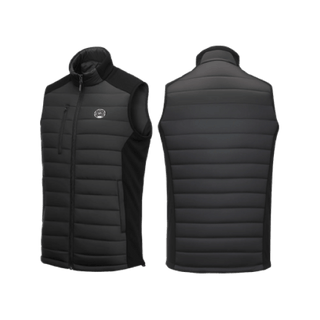
If you spend time outdoors during the colder months, whether riding a motorcycle, working outside, camping, or just commuting, a heated vest can be a game-changer. A high-quality heated vest, like the ones from Kemimoto, provides targeted warmth to your core, keeps you comfortable, and allows for freedom of movement without the bulk of a heavy coat.
However, to enjoy consistent performance and extend the lifespan of your vest, it’s important to know how to use it effectively and care for it properly. Improper use or maintenance can damage the heating elements or shorten the life of the battery pack.
Let's talk about how a heated vest works, how to use it effectively, how to clean and store it, and the best practices to ensure it keeps you warm for years to come.
How Does a Heated Vest Work?
To use and care for your heated vest properly, it helps to understand how it works.
-
Heating Elements: Most heated vests, including Kemimoto’s, use thin wires or conductive carbon-fiber threads sewn into key areas of the vest—typically around the chest, back, and sometimes the abdomen or lumbar region. These elements generate gentle, consistent heat when powered.
-
Power Source: The vest is powered by a rechargeable battery pack. You simply connect the battery to the vest via a cable and activate the heating system using a built-in power button.
-
Adjustable Heating Levels: Most vests allow you to adjust the heat settings (low, medium, high) so you can customize warmth based on the temperature, your activity level, and how long you need to use it.
-
Layering Efficiency: Unlike chemical heat packs, which provide temporary warmth, a heated vest offers consistent, on-demand heat. You can even combine it with other layers for added insulation.
In short, the combination of a heated vest and a rechargeable battery delivers safe, customizable warmth, provided you follow proper usage and care guidelines.
How to Use Your Kemimoto Heated Vest Effectively
To maximize comfort, battery life, and safety, follow these tips:
1. Use the Correct Battery Pack
-
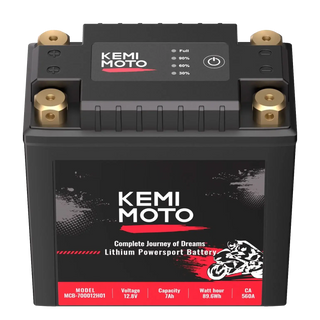
Always use the battery pack provided with your vest or one specifically recommended by the manufacturer. Using incompatible or low-quality batteries can lead to poor performance or even safety risks like overheating or short circuits.
-
Fully charge the battery before first use to ensure optimal performance.
-
If you’re storing the vest for an extended period (e.g., during warmer months), remove the battery and store it separately in a cool, dry place.
2. Preheat Before Heading Out
-
For optimal warmth, turn on the vest 5–10 minutes before going outside. This allows the heating elements to warm up evenly and prevents cold spots.
-
Adjust the heat setting to match your activity and the weather. Use a lower setting for light activities or layering and higher settings for extremely cold conditions.
3. Layer Smartly
-
A heated vest works best as a mid-layer or base layer. Wear it over a lightweight shirt and under a jacket or coat. The outer layer traps heat, making the vest more effective while also extending battery life.
-
Ensure the vest fits snugly but not too tightly. A loose fit may reduce heat efficiency, while a tight fit could restrict movement and comfort.
4. Turn It Off When Not in Use
-
Always turn off the heating when you’re not wearing the vest or when it’s no longer needed. This conserves battery life and prevents unnecessary wear on the heating elements.
-
Disconnect and remove the battery pack if the vest will be unused for an extended period.
5. Prioritize Safety
-
Avoid tampering with or modifying the battery pack or wiring.
-
Only charge the battery in safe conditions—avoid extreme heat, cold, or damp environments.
-
Never use the vest while sleeping or in situations where you may lose consciousness. It’s designed for active use.
-
If the vest gets wet (from rain, snow, or sweat), let it dry completely before powering it on again. Ensure all connectors are dry and undamaged.
How to Wash Your Heated Vest
Washing a heated vest requires extra care to protect the heating elements and wiring. Follow these steps to clean your vest safely:

Step-by-Step Washing Instructions
-
Remove the Battery Pack: Always disconnect and remove the battery before washing. Never wash the vest with the battery still attached.
-
Use Gentle Detergent: Avoid bleach, fabric softeners, or harsh chemicals, as they can damage the fabric and internal components.
-
Hand Wash or Gentle Cycle: If using a washing machine, select a delicate cycle with cold water. Alternatively, hand wash the vest by gently swishing it in cold water and rinsing thoroughly.
-
Avoid Wringing or Twisting: Never wring out the vest, as this can damage the heating elements. Instead, press out excess water gently with a towel.
-
Air Dry Only: Lay the vest flat or hang it in a well-ventilated area away from direct sunlight or heat sources. Do not tumble dry, iron, or expose it to high heat, as this can warp or damage the heating elements.
Troubleshooting After Washing
-
Once the vest is completely dry, reconnect the battery and check the heating system. If the vest doesn’t heat properly, inspect the wiring and connectors for damage.
-
If you notice any exposed wires, loose stitching, or discoloration, discontinue use and contact the manufacturer for assistance.
-
Store the vest properly in a dry and cool place (not folded tightly) to prolong the life of both the fabric and heating device.
How Often Should You Wash It?

Frequent washing is not recommended. Because washing stresses the garment (and its internal components), it's generally better to:
-
Avoid frequent washing, as it can stress the internal components. Instead, spot-clean areas like the collar or underarms as needed.
-
Wash the entire vest only when necessary, such as after heavy use or visible dirt buildup. A good rule of thumb is to wash it every 4–6 wears, or as needed.
How to Store and Maintain Between Uses
Proper storage and periodic maintenance can significantly extend the life of your vest.
-
Store Only When Completely Dry: Moisture can lead to mildew, corrosion, or damage to internal wiring.
-
Remove the Battery: For long-term storage, disconnect and store the battery separately in a cool, dry place. Ideally, keep the battery partially charged (not fully drained) to preserve its health.
-
Avoid Sharp Folds: Folding the vest sharply can stress the heating elements. Instead, fold it gently or hang it.
-
Inspect Regularly: Periodically check the wiring, seams, and connectors for signs of wear or damage. Addressing small issues early can prevent larger problems later.
Conclusion
A heated vest, like the ones from Kemimoto, is an invaluable tool for staying warm during cold weather. But to get the most out of it, proper use and maintenance are key. By understanding how your vest works, using the correct battery, preheating before use, layering effectively, and following safe washing and storage practices, you’ll enjoy reliable warmth and long-lasting performance.
Investing a little time in caring for your heated vest now will pay off in the months and years ahead. Whether you’re braving the cold on a motorcycle, working outdoors, or enjoying winter adventures, your Kemimoto heated vest will keep you warm, comfortable, and ready to take on the chill. Apply the limited-time code KMSEO at Kemimoto to enjoy an extra 16% off sitewide, helping you get more gear for less.


Leave a comment