





























Essential UTV Safety Checks Before Every Ride

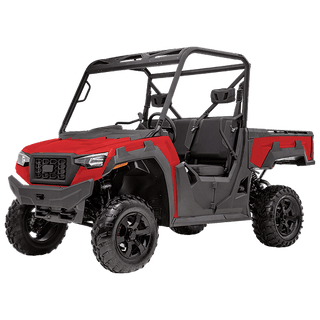
The thrill of off-roading can hardly be compared with anything else. Be it mountain climbing, a walk through the forest, or a desert game of sand dunes, a Utility Terrain Vehicle (UTV) ride can give you the rush of your life while bringing you closer to nature. But, it is the very features of the places that make UTV riding so exciting, mud, rocks, steep inclines, and changing weather that put the most strain on your vehicle.
Every experienced rider is aware that a perfect day on the trails is the result of the preparations that are made long before the vehicle is pushed to its limits. It is a matter of the garage and the work done right there. A simple maintenance check that is neglected can lead to a whole weekend of spending money and perhaps even risking your safety.
In this detailed article, we will go through the utv inspection checklist that you are required to perform before each ride, the must-have equipment that you should not forget at home, and the way Kemimoto's proper accessories can increase your safety and performance.
Why Pre-Ride Safety Checks Are Crucial
A UTV is a complex piece of engineering. Every ride — no matter how short — exposes your vehicle and riders to mechanical stress, changing terrain, and unpredictable obstacles. Unlike a standard passenger car, a UTV is subjected to "extreme service" conditions almost every time it is used. High vibrations, water crossings, and heavy impacts can loosen bolts, fray belts, and puncture tires in ways that aren't always immediately visible.
Please inspect your UTV before each use.

UTV Inspection Checklist
Before you load your side-by-side onto the trailer, go through these critical categories. Use the mnemonic "T-CLOC" (Tires, Controls, Lights, Oil/Fluids, Chassis) as a starting point, but let’s dive deeper into the specifics.
1. Tires and Wheels: Your Only Point of Contact
Your tires are the ones that bear most of the abuse. For instance, a blowout at high speeds on a trail can lead to a rollover.
-
Pressure Check: You should use a low-pressure tire gauge. Typically, UTV tires run between 8 and 18 PSI; however, it is not a fixed standard, you should press your tires according to the terrain. Make sure that the tire pressures of all four tires are balanced, depending on your UTV manufacturer's recommendations.
-
Sidewall Inspection: Check for "plugs" of previous repairs that may be failing, or gashes so deep that they were caused by sharp rocks.
-
Lug Nuts: Vibrations may cause lug nuts to become loose. Perform a quick torque check on them. A wheel coming off a vehicle during the ride can be a highly serious failure that is totally easy to avert.
-
Beadlocks: If you have beadlock wheels, check that the bolts are tightened to the correct spec.
2. The Drivetrain: Power to the Ground
-
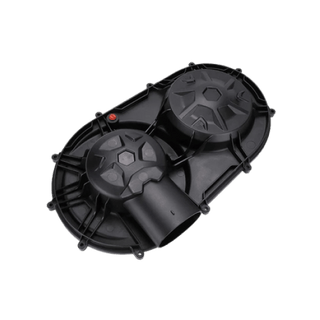
The Drive Belt: For CVT-driven machines (most UTVs), the belt is the "weakest" link. If you smell burnt rubber or hear a squealing noise, check it immediately. Look for glazing, cracks, or missing teeth; if they exist, replace them with a new drive belt.
-
CV Boots and Axles: Look at the rubber boots on your axles. If they are torn, grease will leak out, and dirt will get in, destroying your CV joints.
-
Fluid Levels: Check your engine oil, coolant, and brake fluid. Off-roading causes engines to run hot; low coolant is a recipe for a warped head or a seized motor.
3. Steering and Suspension
-
Tie Rods: Grab your tie rods and give them a firm shake. There should be no "play." If the steering feels loose, you lose precision, which is vital on narrow trails.
-
Shocks: Look for oil leaking down the body of the shock. This indicates a blown seal.
-
Bushings and Ball Joints: These are wear items. If you hear "clunking" when going over bumps, your suspension components may be reaching the end of their life.
4. Electrical and Lighting
-
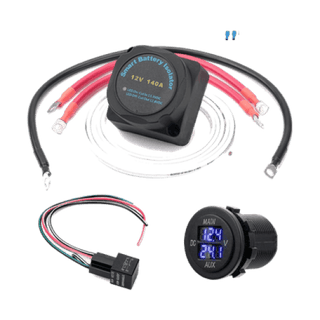
Battery Terminals: The bumping of a UTV is quite a lot, so make sure the terminals of your battery are always tightly secured and without any corrosion.
-
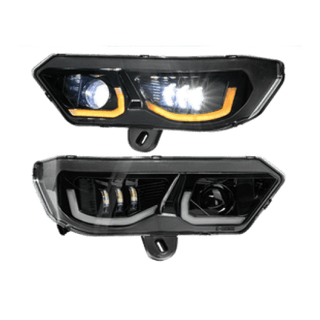
Lights: Ensure your headlights, taillights, and brake lights are in good working order. Even if you are certain that you will be back before dark, the trail conditions (dust or fog) can limit visibility, hence your lights become your only means of making yourself visible to others. Besides, if necessary, you might also be required to install more lighting.

-
Winches: In case you have a winch, pull out a few feet of cable and then roll it back in to check if the motor is running. You wouldn't want to be the one to discover that your winch is dead when you are submerged up to your frame in a mud hole.
5. Brakes and Controls
-
Pedal Feel: The brake pedal should be firm to the touch. A "mushy" pedal can mean that you have air in the brake lines or there is a leak.
-
Throttle: Make sure the throttle returns immediately when you let go.
Essential Gear for Every Rider
After the vehicle is given the green light for takeoff, you have to make sure the human part is guarded. Off-roading, a delightful outdoor activity, does not come without risks. Thus, carrying the right essential gear is an excellent way to help mitigate the risks of the environment around you.
1. The Helmet: Your Most Important Accessory
Nowadays, UTVs can be very fast and highly powerful, so the average speed at which a crash can occur is higher than it used to be. Wearing a full-face helmet or a motocross-style helmet with goggles for UTV riding is a good option because it helps the rider to be protected from the effects of low-hanging branches and flying debris.
2. Eye Protection
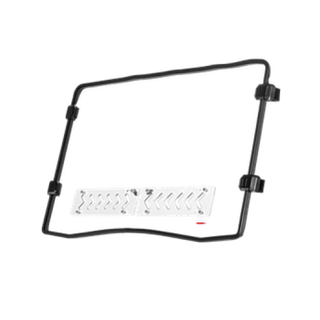
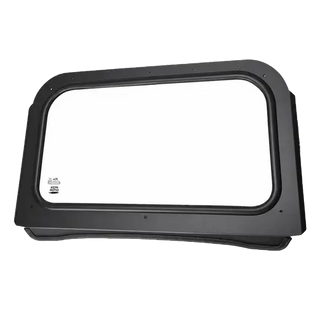
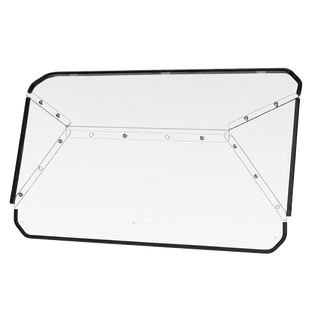
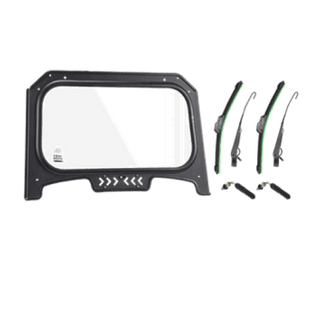
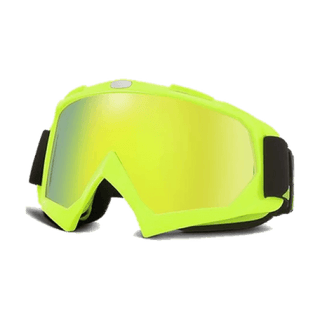
Dust is one of the biggest issues in the world of off-roaders. Following a vehicle, a dust cloud appears, which can be blinding. In such cases, you totally need to have either top-quality goggles or a full windshield. Kemimoto offers an array of windshields that not only protect you from the wind, dust, and mud but also help you maintain clear visibility.

3. Gloves and Long Sleeves
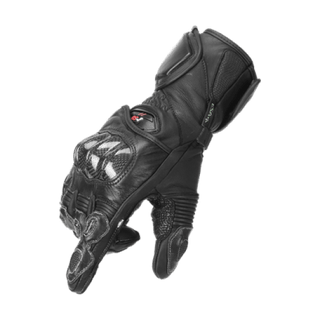
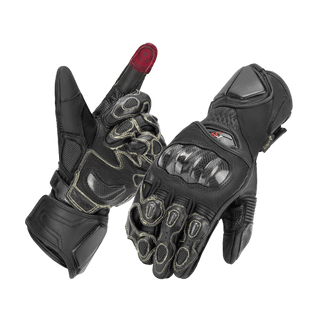
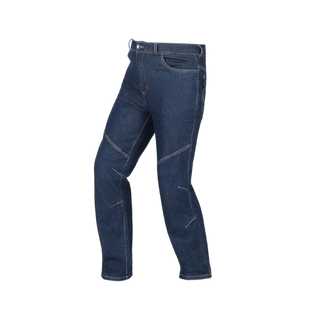
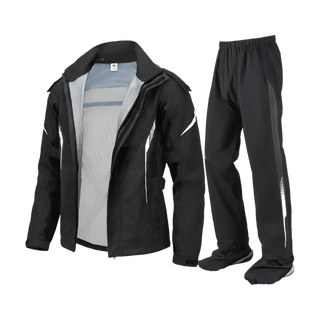
Gloves provide a better grip on the steering wheel, especially when your hands get sweaty or muddy. They also protect your knuckles from "roost" (debris thrown up by the vehicle in front of you). Long sleeves and pants protect against "trail rash" from branches and sun exposure.
4. Communication Systems
On the trail, communication is safety. Being able to warn riders behind you about a fallen tree, an oncoming vehicle, or a sharp turn is vital. Use hand signals or, ideally, an in-helmet Bluetooth communication system.
Enhancing Safety with UTV Accessories
While the factory-built UTV is a great starting point, most enthusiasts find that adding specific accessories significantly improves the safety and utility of their ride.
1. Mirrors: Eliminating Blind Spots
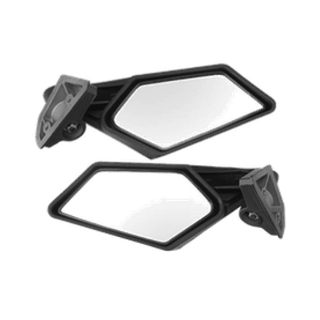
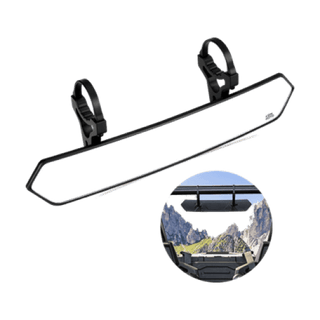
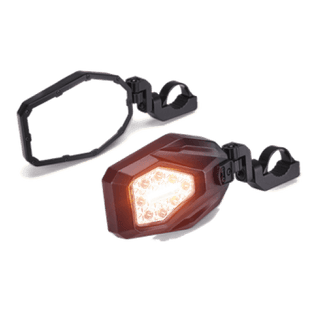
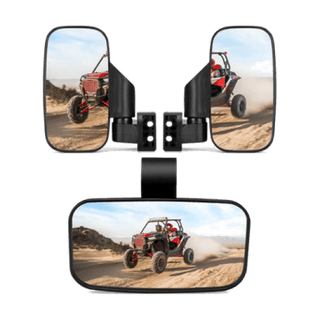
Most UTVs do not come with side or rearview mirrors from the factory. In a group ride, knowing where the rider behind you is—without having to turn your head and take your eyes off the trail—is a massive safety advantage. Kemimoto UTV mirrors are designed to fold in when they hit a branch rather than snapping off.
2. Storage Solutions: Securing Your Load
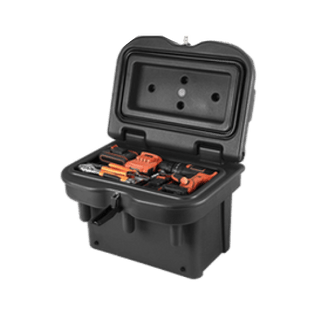
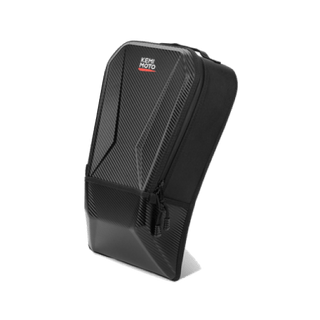
Loose items in the cab of a UTV can turn into dangerous flying objects in case of a rollover or even just a hard bump. Kemimoto has a range of specialized door bags, under-seat storage, and cargo boxes. When you secure your tools, water, and spare parts in the dedicated bags, you not only keep the cab clean but also maintain the center of gravity at a low level.
3. Protection: Bumpers and Rock Sliders
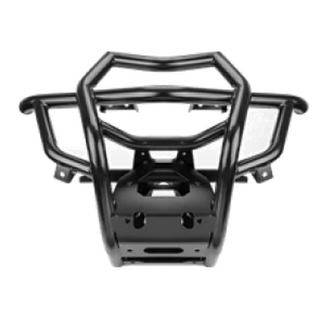
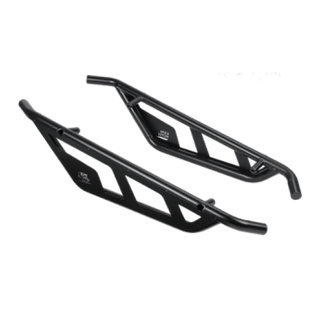
Keeping the chassis of your vehicle free of damage is a safety measure. A heavy-duty bumper may come between the radiator and a broken branch that could otherwise puncture it, thus preventing an overheating, caused engine failure situation far from the trailhead.
The "Trail Survival Kit"
Even with a perfect utv inspection checklist and the best essential gear, things can go wrong. A prepared rider carries a survival kit.
✔ Tool Kit: At minimum, carry a socket set, pliers, zip ties, and duct tape.
✔ Tire Plug Kit and Compressor: Flats are the most common trail mishap.
✔ First Aid Kit: Should include bandages, antiseptics, gauze, and any personal medications.
✔ Jump Starter: Modern UTVs are heavy on electronics. A small portable lithium jump-pack can get you home if you leave your lights on during a lunch break.
✔ Water and Snacks: Refuel yourself on the go.
Traffic Forecasting and Planning
Regardless of the extent of your preparations, if you fail to check the road conditions and weather in advance, then all your preparations will be in vain.
-
Know the Weather: It is advisable to check the weather forecast for your riding day before starting the trip and then, if necessary, plan your ride along a different road that will not be affected by the weather.
-
The Buddy System: It is highly recommended that you never ride alone. If it is necessary that you do so, then the only thing you can do is to inform someone at home of your exact route and time of arrival.
-
Stay on the Trail: When you go off-trail, not only do you damage the environment and cause the trail to be closed, but you also risk running into hidden "tank traps" or rocks covered by tall grass, which can severely hurt you.
Conclusion
When you run through a thorough UTV inspection checklist each time before you head out, you are essentially lowering the risk of you or your vehicle being caught in the middle of a mechanical breakdown situation. Getting the right gear and adding top-of-the-line parts from Kemimoto to your vehicle will ensure that you are totally set to face any challenge that the trail may present to you.
It is not wise to wait until you are isolated in a canyon or buried in a mud hole to realize that you should have inspected your belt or tightened your lug nuts. Let safety become a habit. Take fifteen minutes of your time in the garage today so you can have the whole eight hours on the trail tomorrow.


Dejar un comentario