






































































SXS Roof Fan Guide: Stay Cool and See Clearly on Every Ride

If you drive a side-by-side, you already know how fast a closed cab can turn into a sauna. Riders who install a roof and windshield to keep out sand often end up trapping heat and stale air right along with it. An SXS roof fan fixes that by pulling in fresh air and pushing it through the cab, whether you are crawling through dunes, idling along a slow trail, or fighting a fogged up windshield on a cold morning. This guide breaks down what these fans actually do, when you need one, and which roof fans for side-by-side rigs are worth your money.
If you are new to SXS fans, this guide covers all you need to know and covers the following:
-
What an SXS roof fan is and how it works
-
Why enclosed cabs trap heat, dust, and moisture
-
Real-world riding situations where a fan makes the biggest difference
-
How to choose the right roof fan for sxs vehicles
-
Top Kemimoto picks and simple installation tips
What Is an SXS Roof Fan?
Before choosing one, it helps to understand exactly what this accessory does and where it sits on your machine.
An SXS roof fan is a cooling unit mounted overhead, either bolted to the roll cage or attached to the roof panel, that pulls outside air into the cab and circulates it around the driver and passenger. Unlike a small clip-on fan sitting on the dash, an overhead unit spreads airflow more evenly across the whole seating area instead of blowing on just one spot. Most SxS roof fans run on your vehicle's 12-volt system, drawing power directly from the battery or an accessory port, and many include adjustable speed settings so you can dial in the right amount of airflow for the conditions. Some models also fold in an LED dome light, giving you two upgrades in one mounting point.
Why an Enclosed Cab Needs a Side by Side Roof Fan
Once a cab is fully closed off with doors, a windshield, and a roof, the natural breeze that used to keep you cool disappears with it.
Sand, dust, and rocks are the main reasons riders enclose their cabs in the first place. But that same enclosure blocks the airflow your body relies on to stay comfortable, and heat has nowhere to go once it builds up. A side-by-side roof fan brings that airflow back without giving up the protection your enclosure provides. Common causes of a hot, stuffy cab include:
-
Direct sun heating the roof and windshield like a greenhouse
-
Engine and exhaust heat radiating into the cabin
-
Body heat from the driver and passenger with no way to escape
-
Little to no natural airflow when riding slowly or sitting idle
-
Humidity building up inside a sealed cab during long rides
Real World Uses for an SXS Overhead Fan
An SXS overhead fan is not a one-season accessory. It earns its place on the roof across summer, fall, and even winter rides, depending on how and where you drive.
Riding in Sand and Desert Trails
Desert and dune riding usually means running with a full roof and windshield to keep sand out of your face and off your gear. That setup keeps the sand out, but it also seals in heat fast under a hot sun. An overhead fan keeps air moving across the cab so you and your passengers are not sitting in trapped, superheated air for hours at a time.

Slow Rides Through Forests and Mountains
Not every trail is about speed. Winding forest roads and rocky mountain trails often mean creeping along at low speeds, which means very little natural wind coming through the cab. A roof fan for SXS use keeps air circulating even when your machine is barely moving, so the ride stays comfortable instead of stagnant.
Winter Rides and Foggy Windshields
Cold weather riders close up the cab to stay warm, but that creates its own problem. When the warm air inside meets the cold glass, moisture condenses on the windshield and blocks your view right when visibility matters most. Running a roof fan on a low setting keeps air moving across the glass, which helps reduce that temperature gap and keeps your windshield clearer for longer.
How to Choose the Right Roof Fan for SXS Rigs
Picking the right roof fan for sxs vehicles comes down to matching the fan to your cab size, your roof width, and how you actually ride.
Roof width is the first thing to check, since a fan that is too wide or too narrow will not mount cleanly to your roll cage or hard top. From there, consider whether you want a single fan for a smaller cab or dual fans for wider machines carrying two or more passengers. The table below breaks down what to look for.
|
Feature |
What to Consider |
Why It Matters |
|
Roof width fitment |
Measure your roof or roll cage width before buying |
Fans are built for specific width ranges, usually between 41 and 57 inches |
|
Single vs dual fan |
Single fans suit smaller cabs, dual fans suit wider ones |
Dual fans spread airflow across both seats more evenly |
|
Speed settings |
Look for at least three to five speed options |
Lets you match airflow to weather and riding speed |
|
Build material |
Aluminum brackets with durable plastic housings hold up best |
Off-road vibration and bumps can loosen weaker mounts |
|
Weather resistance |
Check for a dust and water resistant rating |
Protects the motor from trail dust, rain, and mud |
|
Added features |
Some fans include dome or RGB lighting |
Adds nighttime visibility without a second install |

Top Roof Fans for Side by Side Riders from Kemimoto
Kemimoto builds roof fans for side by side owners who want strong airflow without a complicated install. Here are the standout options worth a look.
-
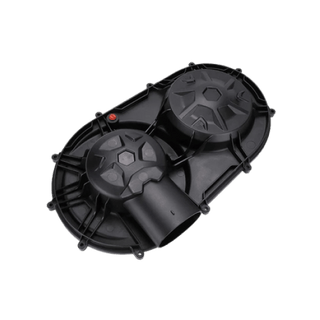
Kemimoto Dual 8 Inch Cab Cooling Fan. This unit runs two independent 8-inch fans that push airflow up to roughly 930 CFM, with five speed settings so you can adjust for the season. It mounts with a solid aluminum bracket, fits roof widths from about 41.5 to 57 inches, and includes a built-in dome light for added convenience after dark. It fits Polaris RZR, Ranger, and General models along with Can-Am Defender and CFMOTO Uforce machines.
-
Kemimoto Overhead Fan with RGB Lighting. Built for riders who want cooling and cab lighting in one unit, this model pairs dual fan airflow with RGB accent lighting around the housing, giving your cab a custom look at night while still delivering solid daytime airflow.
You can browse the full lineup, including current deals, on the Kemimoto UTV fan collection page or check the UTV fan sale page for active promotions. If you are still deciding between an overhead unit and a dash mounted option, this comparison of roof fans vs. dash fans breaks down the differences in more detail.
For more background on why airflow matters so much in an enclosed cab, the article on how to reduce heat in your cab and the piece on why every UTV needs better airflow are both worth a read before you buy.
Conclusion
An SXS roof fan is a small upgrade that solves a problem nearly every enclosed cab owner runs into eventually. Desert riders get relief from trapped heat, trail riders stay comfortable during slow, low-speed sections, and winter riders get a clearer windshield instead of a foggy one. Whether you need a single fan for a compact cab or dual fans for a full crew, matching the fan to your roof width and riding style makes all the difference. Kemimoto's lineup covers most popular side-by-side and UTV platforms, with straightforward installs that do not require a shop visit. Browse the full range on the Kemimoto to find the right fit for your rig.


Leave a comment